BOTANICAL IDENTITY
The right name is the first step.
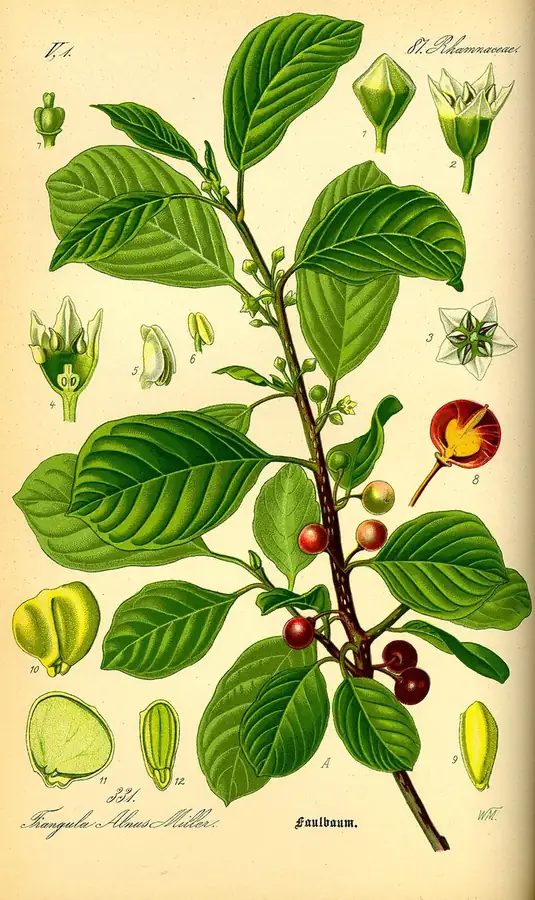
Also known as: Frangula alnus
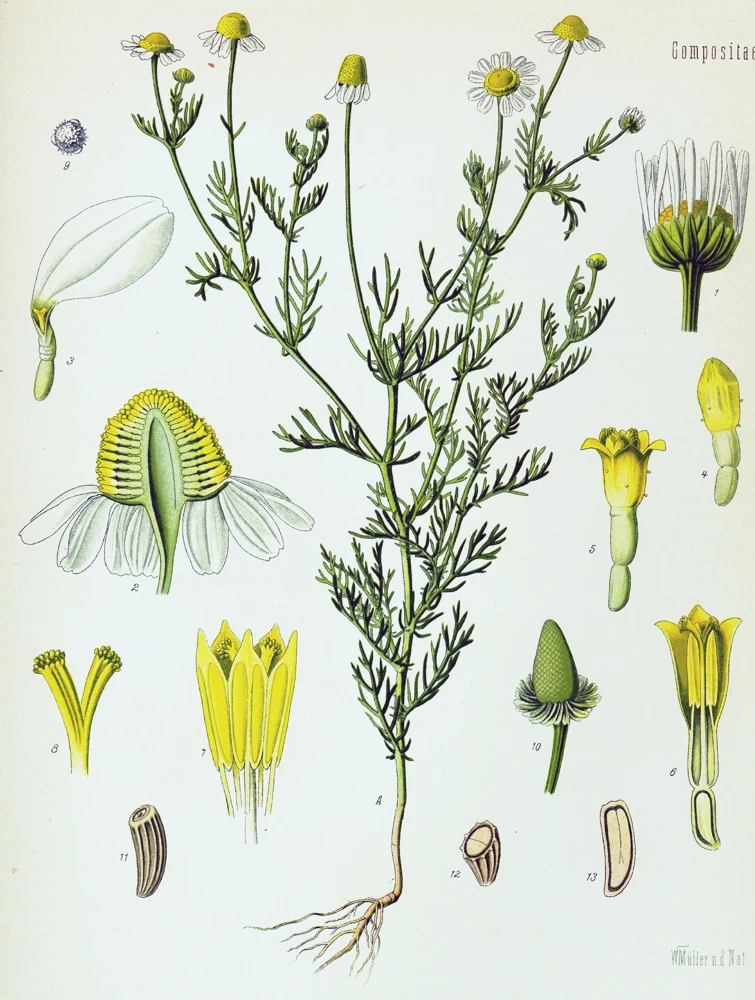
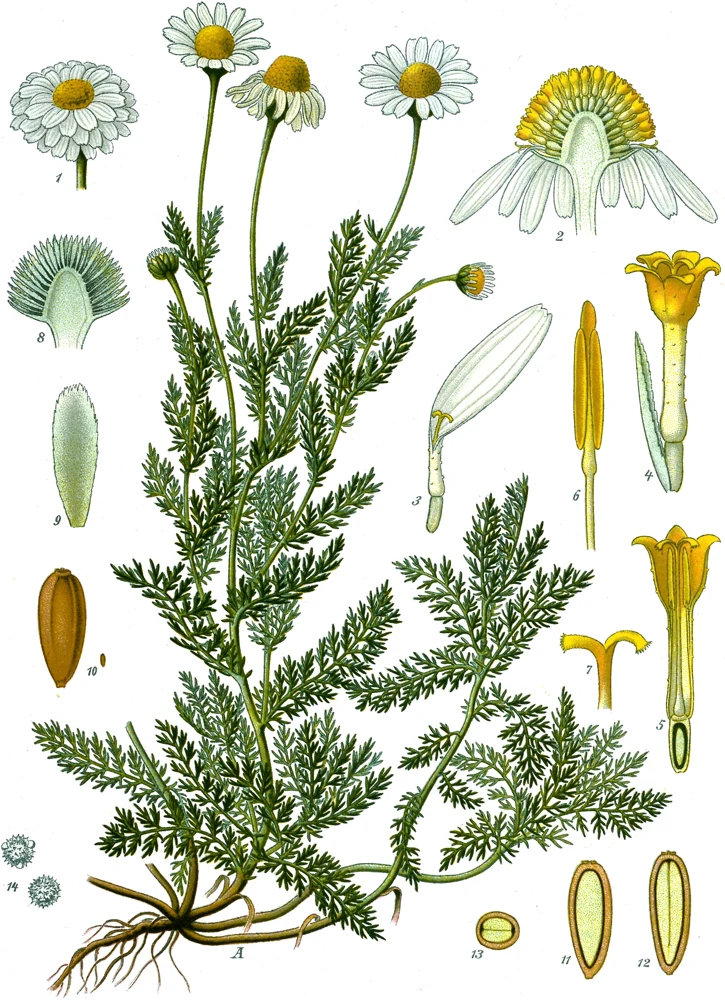
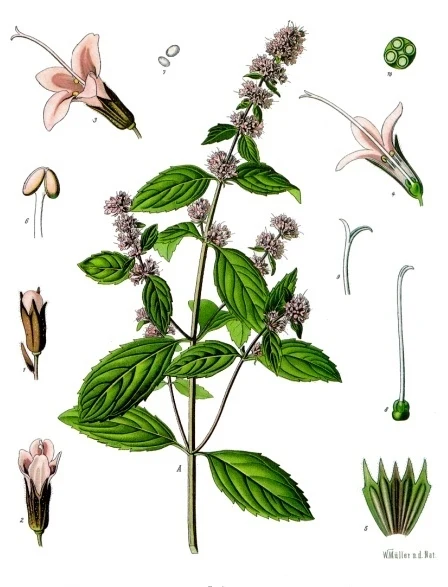
The botanical name and part used must match the profile; a photograph alone is not sufficient grounds for consuming a plant.
An illustration is not enough to identify a plant for consumption. Do not forage for a species based solely on this profile.
01 · UNDERSTAND
Properties & uses.
Occasional constipation
Well-established medicinal use (EMA) of defined preparations for a short period; this recognition does not correspond to a body of robust direct trials of the species alone.
Read the sourceThe traditional uses described are not clinical proof of effectiveness. Evidence for one preparation cannot automatically be applied to another.
02 · UNDERSTAND THE ACTION
How does the plant act?
Alder buckthorn bark belongs to the stimulant laxatives. It acts on intestinal function and the exchange of water and salts, which can promote evacuation but also cause cramps or diarrhea. The medicinal context concerns occasional constipation over a short period. This action is not a method of losing fat or maintaining daily bowel function.
Constituents to know.
Their presence and quantity depend on the plant part and preparation.
- Hydroxyanthracene derivatives
- Glucofrangulins and frangulins characterize the bark; their transformation contributes to laxative activity and underlies the need to control preparations.Read the reference
Stimulating bowel transit
The bark compounds act on colon motility and on the availability of water in its contents.
Read the referenceEffects on electrolytes
Excessive diarrhoea or prolonged use can cause potassium loss; this is an adverse consequence of the mechanism, not beneficial elimination.
Read the referenceWhat this means for preparation.
A controlled pharmaceutical preparation avoids confusing fresh bark, prepared bark and extract. Combination with other laxatives or medicines affecting potassium must be assessed.
03 · EXAMINE THE EVIDENCE
What the research shows.
A laboratory or animal result alone does not demonstrate a benefit in humans. Each result must be read alongside the preparation studied and its limitations.
What is the recognition based on?
- Type of research
- EMA literature assessment of medicinal use and pharmacology.
- Preparation concerned
- Prepared Rhamnus frangula bark and controlled preparations.
- Observed results
- Short-term laxative use is recognized within a defined framework.
- Limitations to consider
- The rationale includes medicinal experience and data on hydroxyanthracenes; it does not demonstrate an overall digestive benefit or the value of continuous use. Representative direct trials of this species alone are insufficient; recognition is based in particular on experience and data for the hydroxyanthracene laxative class.
What can we take from this?
Stimulation of the colon does not explain the cause of persistent constipation. Unexplained abdominal pain and the risk situations listed in the precautions rule out a trial of home use.
Documentary review dated 09/10/2026. The references remain available to check the context.
04 · CHOOSE A PREPARATION
What is known about preparations?
Only forms documented in this profile’s sources are presented.
No form of use is recommended in this profile.
05 · BEFORE ANY USE
Precautions & contraindications.
This guidance does not cover every individual situation. Missing information is not a guarantee of safety.
Contraindications
- Intestinal obstruction, narrowing or atony; appendicitis; inflammatory bowel disease.
- Unexplained abdominal pain or severe dehydration.
Medicine interactions
- Potassium loss: risks with cardiotonic drugs, antiarrhythmics, diuretics, corticosteroids or licorice.
Adverse effects
- Cramps, diarrhea; prolonged use: fluid and electrolyte imbalances and laxative dependence.
Pregnancy & breastfeeding
Contraindicated during pregnancy and breastfeeding.
Children & adolescents
Contraindicated under 12 years of age.
If symptoms persist, worsen or are unusual, consult a healthcare professional. In an emergency, contact the emergency services.
06 · PUTTING KNOWLEDGE INTO PRACTICE
Preparations & recipes.
No recipe or home use is recommended in this documentary profile.
07 · CHECK THE SOURCES
Sources for this profile.
- EMA — Frangulae cortex: dossier and documentsAccessed on 09/10/2026
- EMA — scientific assessment report: Rhamnus frangulaAccessed on 09/10/2026
Illustration: Flora von Deutschland, Österreich und der Schweiz — Otto Wilhelm Thomé (1885), via Wikimedia Commons · Public domain. View the original image and its licence. Image resized and converted to WebP.
A TOUCH OF SOLÉA
Myriam’s tip
Myriam is reviewing the tip for this profile.
Myriam