PLANTS, THEIR PROPERTIES, YOUR BALANCE.

THE SOLÉA HERBARIUM

900 plants to discover.

Search a name, explore a use and take time to understand.

900 plants to discover1–24 · Listed from A to Z

Aconitum anthora L.

Aconitum anthora

ANSM lists Aconitum anthora for the following material: underground parts. Inclusion in List B signals that potential adverse effects outweigh the expected therapeutic benefit. The entry does not establish clinical efficacy.

Limited evidence

Precautionary notice: underground parts is included in ANSM List B. No preparation or self-medication is recommended.

Discover the plant

Aconitum napellus L.

Aconitum napellus

ANSM lists Aconitum napellus for the following material: underground parts. Inclusion in List B signals that potential adverse effects outweigh the expected therapeutic benefit. The entry does not establish clinical efficacy.

Limited evidence

Monkshood: toxic if ingested. Avoid skin contact; RHS recommends protective gloves when handling. No home preparation.

Discover the plant

Actaea spicata L.

Actaea spicata

ANSM lists Actaea spicata for the following material: underground parts. Inclusion in List B signals that potential adverse effects outweigh the expected therapeutic benefit. The entry does not establish clinical efficacy.

Limited evidence

Precautionary notice: underground parts is included in ANSM List B. No preparation or self-medication is recommended.

Discover the plant
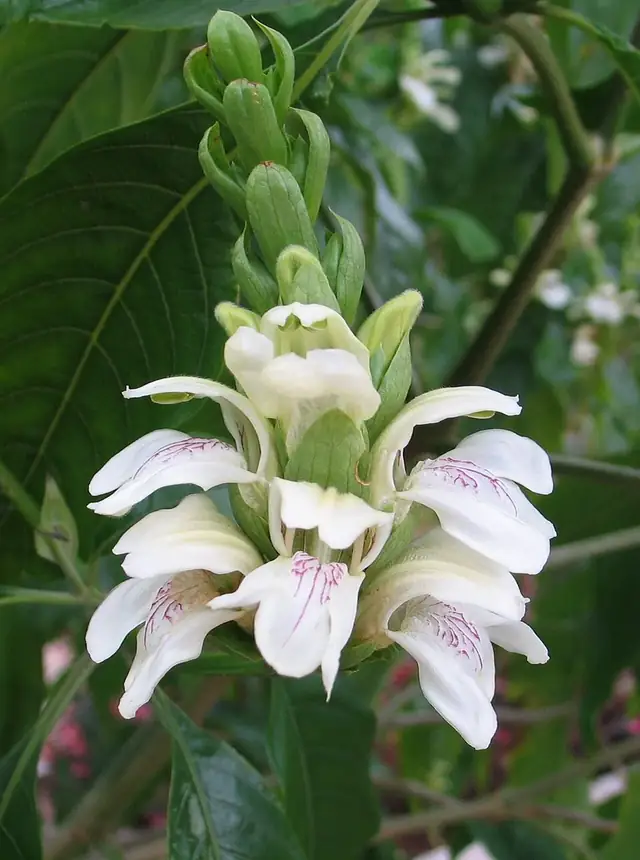
Acanthaceae

Adhatoda vasica Nees

Adhatoda

This profile recommends no medicinal use; the conditions for an EMA monograph are not met.

Limited evidence

No self-medication or recipe is proposed for this plant.

Discover the plant

Adiantum concinnum Humb. & Bonpl. ex Willd.

Adiantum concinnum

The table links leaves and stems to a compound drink reported for hair loss, menstrual regulation and a local concept of blood purification. Purenrosa, Lancetilla, Moradilla and Oregano are named as companion ingredients: the report concerns a mixture. These reports establish neither a causal relationship nor clinical effectiveness. Described methods are ethnographic observations, without advice to prepare or take the plant.

Limited evidence

Limited ethnobotanical entry: reported uses, with effectiveness and safety unproven by this inventory. No home recipe or dose is proposed.

Discover the plant
Not specified in the sources consulted.

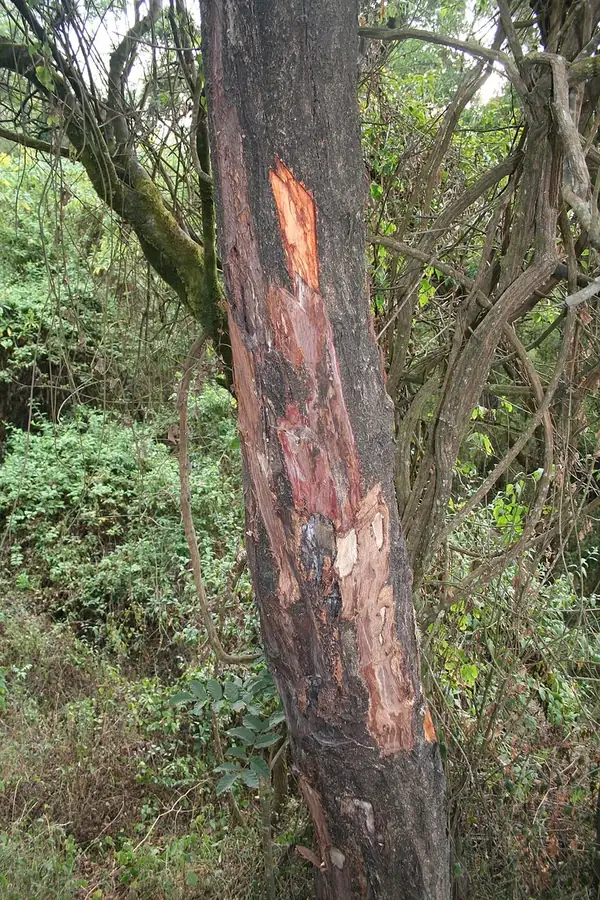
Prunus africana

African cherry

Urinary comfort

Traditional use after a diagnosis of benign prostatic enlargement and exclusion of a serious disease by a doctor.

Traditional use

Urinary retention, blood, fever or pain: seek medical advice promptly.

Discover the plant
Rosaceae

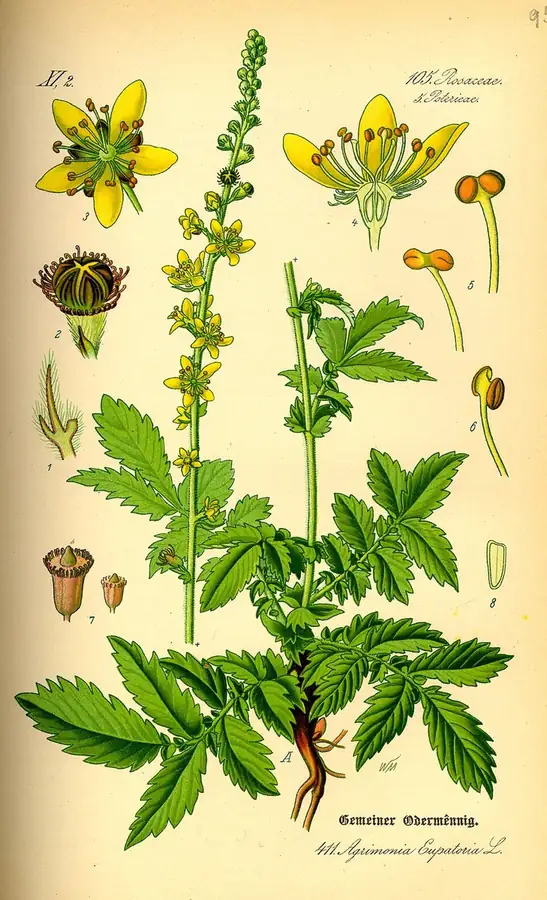
Agrimonia eupatoria L.

Agrimony

DigestionMouth & throat

Traditional oral use; seek medical advice if it persists for more than three days.

Traditional use

Blood in the stool, dehydration or worsening symptoms: seek medical advice.

Discover the plant

Aizoon africanum (L.) Klak

Aizoon africanum

Scott and Springfield’s SANBI-hosted monograph reports use for wounds, venereal lesions, skin and eye complaints. This record does not validate those indications. This is an institutional synthesis of reported uses, not a therapeutic trial. An indication appearing in this account demonstrates neither causation nor effectiveness in a patient. “Infection” in a tradition does not establish a microbiological diagnosis. Mention of eyes justifies no application: this entry defines no sterile ophthalmic formulation.

Limited evidence

Limited ethnobotanical entry: practices are documented; clinical effectiveness is not established by these accounts. The selected sources are not a complete assessment of human toxicity. Absence of a signal in this account is not a guarantee of safety.

Discover the plant
Not specified in the sources consulted.

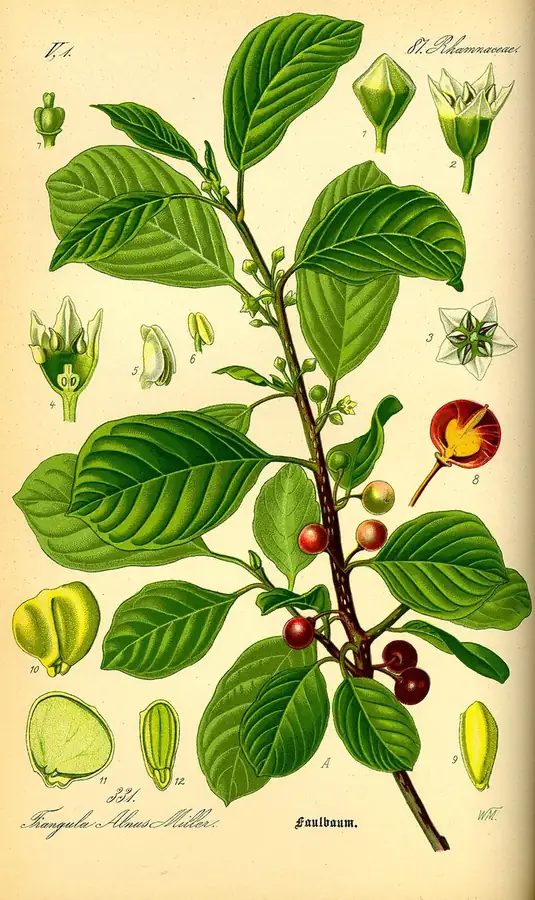
Rhamnus frangula

Alder buckthorn

Digestion

Well-established medicinal use (EMA) of defined preparations for a short period; this recognition does not correspond to a body of robust direct trials of the species alone.

Limited evidence

Informational leaflet: no preparation or dose proposed; seek professional advice before use.

Discover the plant

Alepidea amatymbica Eckl. & Zeyh.

Alepidea amatymbica

SANBI reports Zulu use of roots and rhizomes for colds and coughs, and Sotho and Xhosa use for respiratory, digestive and rheumatic complaints. This is an institutional synthesis of reported uses, not a therapeutic trial. An indication appearing in this account demonstrates neither causation nor effectiveness in a patient. Harvesting the rootstock often kills the plant. The name ikhathazo covers several Alepidea species: a market name therefore does not establish this identity.

Limited evidence

Limited ethnobotanical entry: practices are documented; clinical effectiveness is not established by these accounts. The selected sources are not a complete assessment of human toxicity. Absence of a signal in this account is not a guarantee of safety.

Discover the plant
Fabaceae

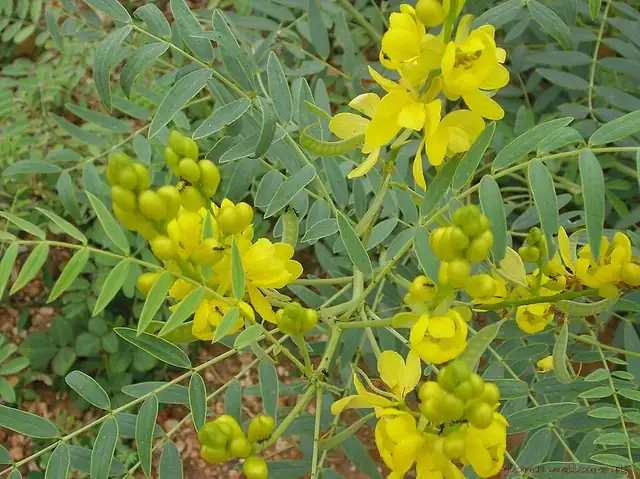
Cassia senna L.

Alexandrian senna

Digestion

Well-established use of standardized preparations for a short period.

Well-established medicinal use (EMA)

No more than one week for occasional constipation without reassessment.

Discover the plant
WhatsApp Appointments