BOTANICAL IDENTITY
The right name is the first step.
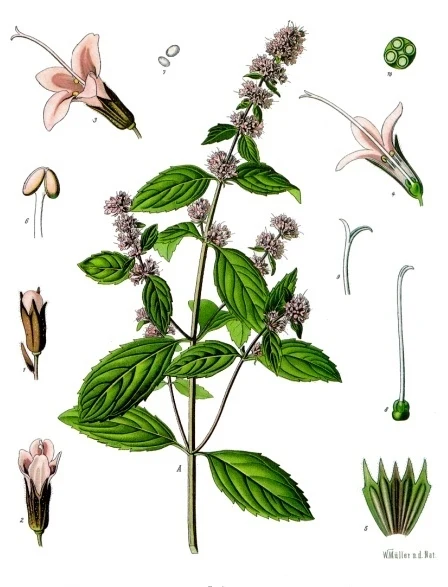
Also known as: Mentha piperita, peppermint
Different mints are not interchangeable. The leaf and the essential oil are two distinct preparations.
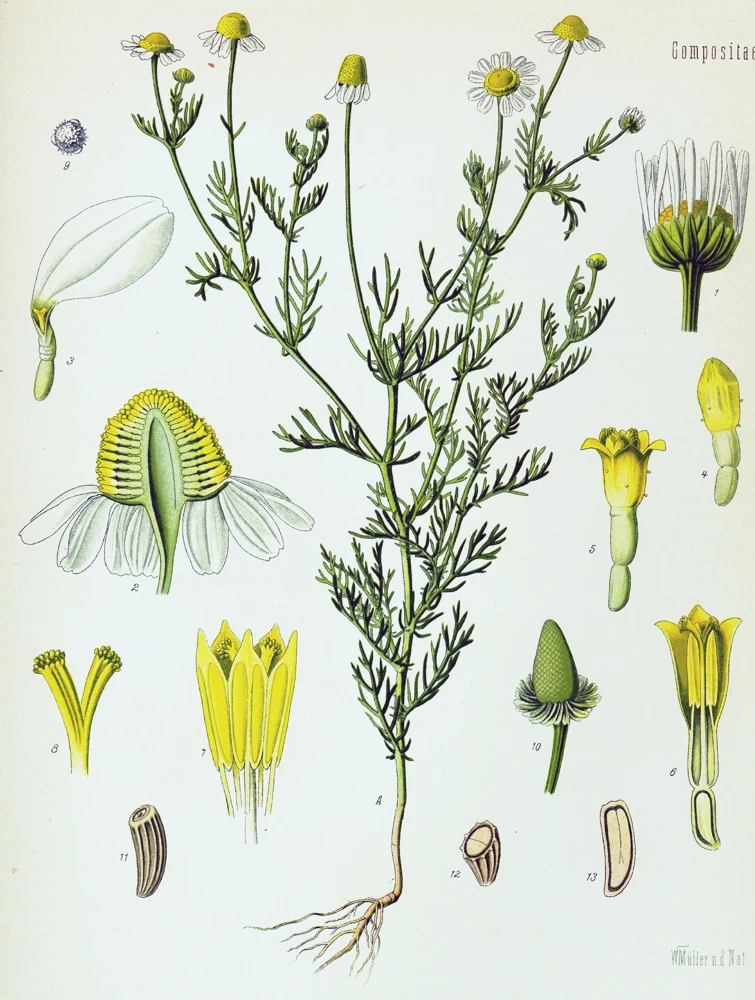
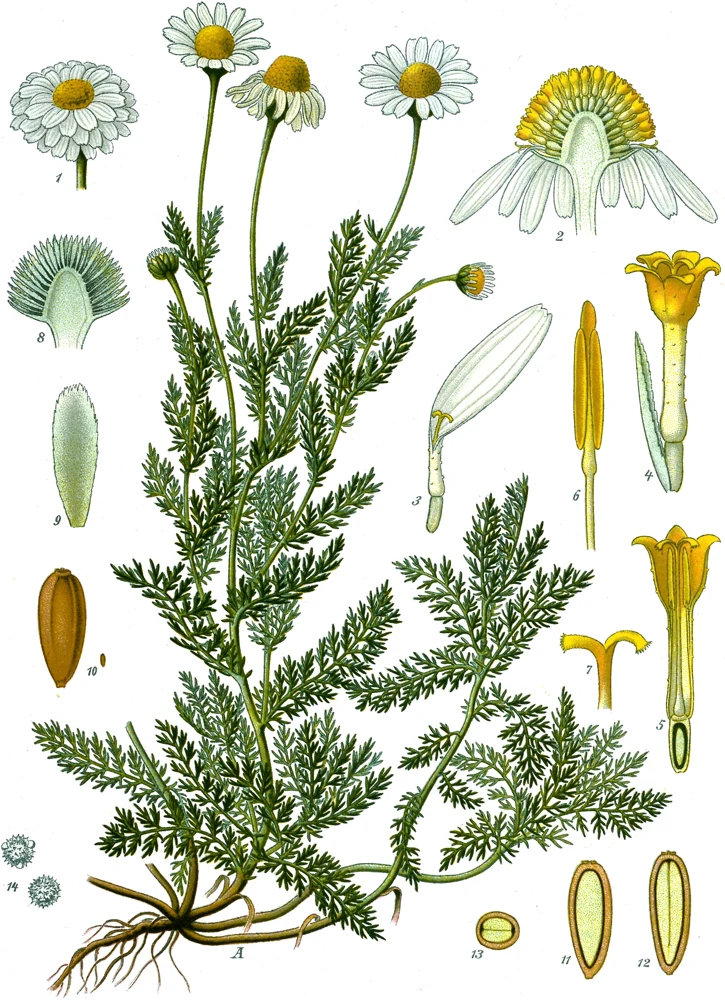
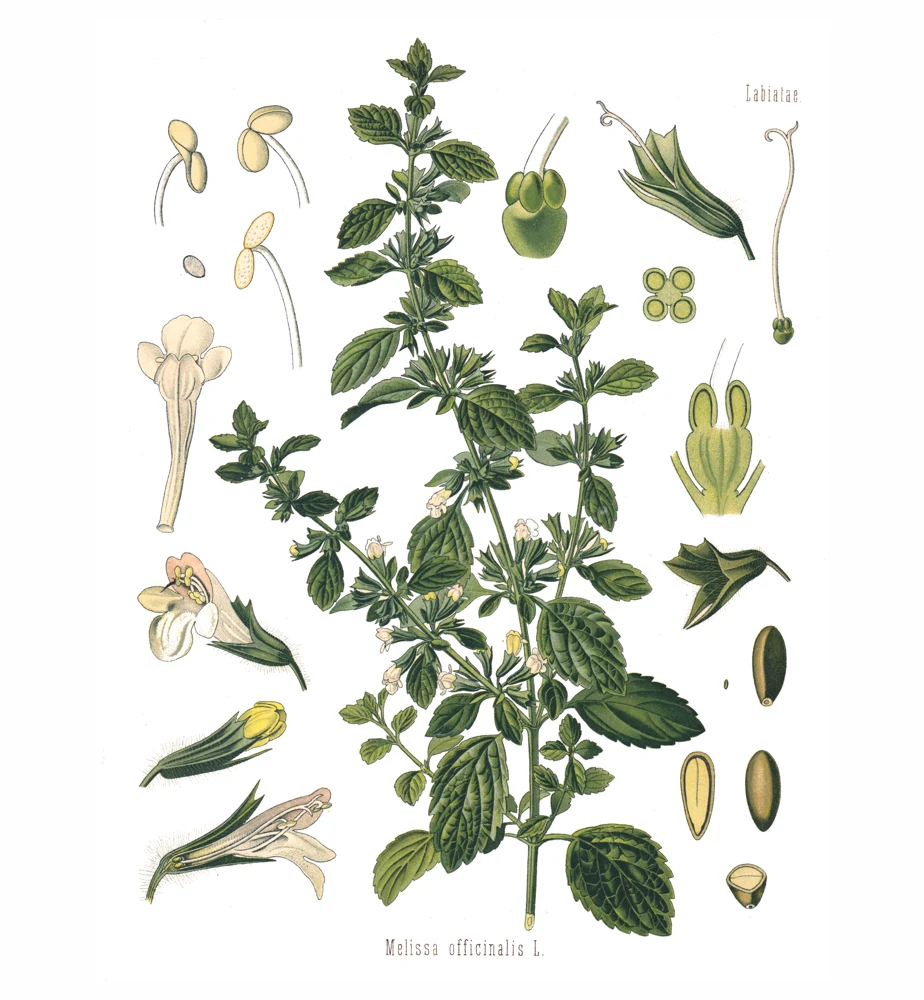
An illustration is not enough to identify a plant for consumption. Do not forage for a species based solely on this profile.
01 · UNDERSTAND
Properties & uses.
Digestion and flatulence
The leaf has a traditional use for digestive disorders such as dyspepsia and flatulence. This does not prove the efficacy of every mint preparation.
Read the sourceThe traditional uses described are not clinical proof of effectiveness. Evidence for one preparation cannot automatically be applied to another.
02 · UNDERSTAND THE ACTION
How does the plant act?
Two bodies of evidence must be distinguished: peppermint leaves, traditionally used for digestive discomfort, and essential oil formulated in pharmaceutical capsules studied in irritable bowel syndrome. Clinical results for the latter vary. The site of release in the digestive tract matters as much as the product's composition. These trials cannot be translated into a demonstrated benefit for an infusion or a recipe for swallowing essential oil.
Constituents to know.
Their presence and quantity depend on the plant part and preparation.
- Menthol and menthone
- Menthol and menthone dominate the aromatic fraction. They are more concentrated in the essential oil than in the leaf: the same mass of different products does not represent the same exposure.Read the reference
- Leaf polyphenols
- The leaves contain, among other substances, flavonoids and rosmarinic acid derivatives. Their extraction in water differs from that of the volatile constituents: the infusion has its own chemical profile.Read the reference
Dyspepsia and flatulence
The traditional use of the leaf concerns relief of digestive complaints such as gas and difficult digestion. It does not constitute clinical validation of the herbal tea for irritable bowel syndrome.
Read the referenceRelaxation of digestive smooth muscle
Experiments with the oil or menthol indicate a decrease in calcium currents involved in smooth muscle contraction. This finding helps explain an antispasmodic activity, without predicting the effectiveness of every preparation in humans.
Read the referenceWhat this means for preparation.
On a label, distinguish “leaf,” “leaf extract” and “essential oil,” then check the route of use. The capsules used in trials are formulated products: their coating is part of the intervention. If you have reflux or a biliary problem, review the preparation-specific precautions with a pharmacist. Human observations with peppermint oil show relaxation of the lower esophageal sphincter, which may promote reflux. The EMA also recommends avoiding leaf preparations in cases of reflux.
03 · EXAMINE THE EVIDENCE
What the research shows.
A laboratory or animal result alone does not demonstrate a benefit in humans. Each result must be read alongside the preparation studied and its limitations.
2020 trial: primary outcomes remain negative
- Type of research
- Eight-week double-blind randomized trial; 190 people assigned to two formulations and a placebo, 189 analyzed.
- Preparation concerned
- Peppermint oil in capsules releasing their contents in the small intestine or further along, in the ileocolonic region.
- Observed results
- The pain response rate was not significantly higher than with placebo: 46.8%, 41.3% and 34.4%, respectively. Overall relief was also not significantly improved. Some secondary outcomes favored release in the small intestine.
- Limitations to consider
- These secondary results do not replace the primary outcomes. Mild adverse effects were more common with the oil. The results concern the formulations studied.
2021 trial: similar improvement with placebo
- Type of research
- Double-blind randomized trial conducted at one center over six weeks in adults with irritable bowel syndrome.
- Preparation concerned
- Peppermint oil in gastro-resistant coated capsules, compared with placebo.
- Observed results
- Symptom severity improved in both groups, with no significant difference in the primary outcome or the secondary outcomes studied.
- Limitations to consider
- Improvement observed over time is therefore not enough to prove a specific effect. Response varies between studies and cannot be guaranteed for an individual.
What can we take from this?
Relaxant activity in the laboratory guarantees neither relief of all abdominal pain nor tolerability in people with reflux. The trials discussed do not allow their results to be attributed to spearmint, menthol alone or a homemade infusion.
Documentary review dated 09/10/2026. The references remain available to check the context.
04 · CHOOSE A PREPARATION
One plant, several preparations.
Only forms documented in this profile’s sources are presented.
InfusionLeaves · Route: oral
TinctureLeaves · Route: oral
Hydroalcoholic preparations defined in the monograph.
Please note: Contains alcohol; do not confuse with the essential oil.
Read the source05 · BEFORE ANY USE
Precautions & contraindications.
This guidance does not cover every individual situation. Missing information is not a guarantee of safety.
Contraindications
- Allergy to peppermint leaf or menthol.
- Avoid these preparations if you have reflux. Gallstones or biliary disorders: seek advice.
Medicine interactions
- No interactions reported in the monograph; this does not guarantee compatibility with all treatments.
Adverse effects
- Possible worsening of gastroesophageal reflux and heartburn.
Pregnancy & breastfeeding
Pregnancy and breastfeeding: medicinal use is not recommended because of insufficient data. Safety has not been established.
Children & adolescents
Under 4 years: not recommended. Above that age, check pediatric forms and doses with a professional.
If symptoms persist, worsen or are unusual, consult a healthcare professional. In an emergency, contact the emergency services.
06 · PUTTING KNOWLEDGE INTO PRACTICE
Preparations & recipes.
A DOCUMENTED PREPARATION
Peppermint infusion — adults
Traditional use for indigestion and flatulence. Essential-oil trials do not demonstrate the effectiveness of this leaf infusion.
Plant part: Dried leaves
Ingredients & quantities
- 1.5 to 3 g of dried leaves
- 100 to 150 ml of boiling water
Preparation steps
- Check the species and plant part on the packaging; weigh the specified quantity.
- Pour the stated volume of boiling water over the herb in a heatproof cup.
- Steep for 5–15 minutes unless the leaflet says otherwise: the general EMA glossary method; this species monograph gives no specific time.
- Strain and cool to a comfortable drinking temperature.
Use: Monograph: 3 times daily. Seek medical advice after two weeks or if symptoms worsen.
Storage: Prepare immediately before use according to the EMA glossary. No household storage period is documented in the monograph; do not prepare a batch for later use.
Before you start. This guide restricts use to adults aged 18 and over. Do not use with allergy to peppermint or menthol. Avoid with reflux, which may worsen. Seek advice before use with gallstones or other biliary disorders. Pregnancy and breastfeeding: not recommended because safety data are insufficient. Seek advice with adverse reactions.
A DOCUMENTED PREPARATION
Peppermint — digestive infusion, ages 6–12
Traditional-use reference for mild indigestion or gas. Strong paediatric clinical efficacy has not been established. Unexplained or recurring pain needs medical assessment.
EMA/HMPC/572705/2014, section 4.2: children aged 4–11 and adolescents share this preparation. This chapter selects ages 6–12; at 12, retain the paediatric reference rather than the adult dose.
Read the complete children’s chapterPlant part: Dried leaves
Ingredients & quantities
- 1–2 g dried Mentha × piperita L. leaves supplied for herbal tea
- 100–150 ml boiling drinking water
Preparation steps
- An adult checks the botanical name, plant part and leaflet of a pharmaceutical-quality product, then weighs the amount agreed with the professional.
- Pour boiling water over the herb in a heatproof cup, out of the child’s reach.
- Steep for 5–15 minutes unless the leaflet specifies otherwise: this is the EMA glossary’s general method, not a species-specific time.
- Strain carefully and allow to cool; an adult checks the temperature before offering the preparation.
Use: EMA reference for children and adolescents: one preparation per dose, 3 times daily. Consult if symptoms last over 2 weeks, and promptly if they worsen; this threshold is not a reason to wait when a child has pain.
Storage: Prepare immediately before use. This source establishes no household shelf life; discard any remainder and do not prepare a stock batch.
Before you start. Before medicinal use in a child, ask a pharmacist or doctor to confirm the product and dose. Do not use with peppermint or menthol allergy. Avoid with reflux or heartburn, which may worsen. Seek medical advice for gallstones or biliary disease. Never substitute essential oil, tincture or extract for the leaves.
07 · CHECK THE SOURCES
Sources for this profile.
- EMA — Mentha × piperita L.: summary and documentsAccessed on 08/10/2026
- EMA — Peppermint — digestive infusion, ages 6–12: paediatric sourceAccessed on 09/10/2026
- Royal Botanic Gardens, Kew — botanical identityAccessed on 08/10/2026
- EMA — Assessment report on Mentha x piperita L., folium and aetheroleum, Revision 1Accessed on 09/10/2026
- Weerts et al. (2020) — Efficacy and Safety of Peppermint Oil in a Randomized, Double-Blind Trial of Patients With Irritable Bowel SyndromeAccessed on 09/10/2026
- Nee et al. (2021) — Peppermint Oil Treatment for Irritable Bowel Syndrome: A Randomized Placebo-Controlled TrialAccessed on 09/10/2026
- EMA — Glossary on herbal teas: general preparation methodAccessed on 09/10/2026
Illustration: Franz Eugen Köhler, Köhler’s Medizinal-Pflanzen · Public domain (Public Domain Mark 1.0). View the original image and its licence. Image resized and converted to WebP.
A TOUCH OF SOLÉA
Myriam’s tip
Myriam is reviewing the tip for this profile.
Myriam