Identity & origin
BOTANICAL IDENTITY
The right name is the first step.
This profile concerns aerial parts. The uses described depend on the preparation.
Also known as: Purple passionflower
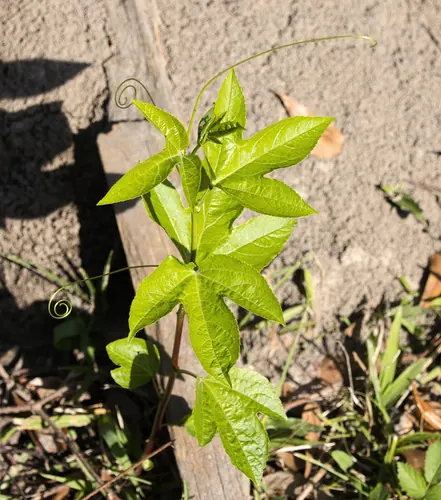
Passiflora incarnata is not Passiflora edulis, the passion fruit; do not substitute an ornamental passionflower.
An illustration is not enough to identify a plant for consumption. Do not forage for a species based solely on this profile.
Uses & evidence
UNDERSTANDING THE USES
Properties & uses.
Mild stress and sleep
Traditional use; available studies do not allow a conclusion of general clinical effectiveness.
Use considered plausible in a traditional-use monograph. That status alone does not demonstrate clinical efficacy.
Read the sourceThe traditional uses described are not clinical proof of effectiveness. Evidence for one preparation cannot automatically be applied to another.
Precautions before use
BEFORE ANY USE
Precautions & contraindications.
This guidance does not cover every individual situation. Missing information is not a guarantee of safety.
Contraindications & precautions
- Source-listed contraindicationAllergy to the substance or preparation.Source
- PrecautionMay impair alertness: do not drive or operate machinery if affected.Source
Medicine interactions
- Possible interactionOne case involved valerian plus passionflower with lorazepam; causation by passionflower alone is unestablished. Additive sedation is possible: avoid combining with synthetic sedatives without medical advice.Source
- Possible interactionPossible interaction with anaesthesia and perioperative medicines: inform the care team before surgery.Source
“Reported” does not prove causality; “possible” may reflect indirect evidence. “None reported” means none in the cited source, not that all combinations have been studied. Do not stop a prescribed treatment based on this profile.
Adverse effects
- Adverse effects insufficiently documented in the sources used here.
Pregnancy & breastfeeding
Do not use during pregnancy: NCCIH warns of possible uterine contractions. Breastfeeding: insufficient data, use not recommended.
SourceChildren & adolescents
Medicinal use is not recommended below 12 years because data are insufficient; adult preparations and doses cannot be extrapolated.
SourceIf symptoms persist, worsen or are unusual, consult a healthcare professional. In an emergency, contact the emergency services.
Forms & how they are used
DOCUMENTED FORMS
One plant, several preparations.
Only forms documented in this profile’s sources are presented.
InfusionAerial parts · Route: oral
Dried, fragmented aerial parts.
Please note: Follow the product's package leaflet; preparations are not interchangeable.
Read the sourcePowder or extractAerial parts · Route: oral
Powder, documented dry or liquid extracts.
Please note: Follow the product's package leaflet; preparations are not interchangeable.
Read the sourcePreparations: ingredients & steps
DOCUMENTED PREPARATIONS
Preparations & recipes.
A DOCUMENTED PREPARATION
Passionflower infusion — relaxation
Traditional use for mild symptoms of mental stress and as an aid to sleep. This does not establish a clinically proven benefit for this tea.
Plant part: Dried aerial parts
Ingredients & quantities
- 1–2 g dried, cut aerial parts of Passiflora incarnata L.
- 150 ml drinking water, brought to the boil
Preparation steps
- Check the botanical name and plant part on a product intended for herbal tea; weigh the stated quantity.
- Place the herb in a heatproof cup and pour over 150 ml boiling water.
- Steep for 5–15 minutes unless the product leaflet specifies otherwise. This is the general method in the EMA glossary; the plant monograph does not specify a particular steeping time.
- Strain, then let the infusion cool to a comfortable drinking temperature.
Use: Monograph reference: one 150 ml preparation, 1–4 times daily. Seek advice if symptoms persist beyond 2 weeks, or sooner if they worsen. Do not extrapolate these amounts to extracts.
Storage: Prepare immediately before use, as specified by the EMA glossary. The monograph does not document a household storage period; do not prepare a batch for later use.
Before you start. This guide restricts use to adults aged 18 and over. Not recommended during pregnancy or breastfeeding because safety data are insufficient. Contraindicated with allergy to passionflower. Alertness may be impaired: do not drive or operate machinery if affected. Have a pharmacist review any combination with sedating medicines. Stop and seek advice if an adverse reaction occurs. No interactions are reported in this monograph; this does not establish compatibility with medicines. Ask a pharmacist if you take medication.
A DOCUMENTED PREPARATION
Passionflower, valerian & lemon balm — bedtime formula
Traditional use for nervous restlessness and difficulty falling asleep.
Keep the exact formula, plant parts and preparation stated below. Some blends require a specified ready-made product or professional preparation. Do not create your own substitutions.
Plant part: Valerian root; lemon balm and peppermint leaves; passionflower herb; listed excipients.
Ingredients & quantities
- 1–2 pre-dosed sachets of the cited product, 2 g each. Reference: Sidroga Schlaf- und Nerventee.
- Per sachet: 0.7 g valerian root; 0.4 g lemon balm leaves; 0.3 g passionflower herb; 0.3 g peppermint leaves.
- Excipients: rosemary leaves and liquorice root; individual quantities undisclosed.
- About 150 ml boiling water.
Preparation steps
- Pour about 150 ml boiling water over 1–2 sachets.
- Infuse for 10–15 minutes.
- Gently squeeze and remove the sachets.
Use: Adult leaflet: 1 cup containing 1–2 sachets, 2–3 times in the day and before bedtime. Ask a pharmacist to confirm the schedule; seek advice if worsening or not improved after 14 days. An unlimited duration in the leaflet is not advice for indefinite use.
Storage: The leaflet gives no storage period for the prepared infusion; prepare for immediate use rather than storing a batch. Store sachets according to their packaging and expiry date.
Before you start. This record applies only to the cited pre-dosed product, after a pharmacist checks its current leaflet. Do not recreate or modify the mixture at home. General information, not a replacement for diagnosis or treatment. Watch for impaired alertness or reflux. Liquorice is an excipient; medicine combinations need checking. Contraindications: Allergy to ingredients, menthol or excipients. Not recommended during pregnancy or breastfeeding because data are insufficient. Do not combine with diuretics, cardiac glycosides, corticosteroids, stimulant laxatives or medicines worsening electrolyte imbalance without the prescriber’s decision. Liquorice may counteract antihypertensive medicines. Avoid other liquorice products or foods. Never stop prescribed treatment to take herbal tea.
Properties, interactions & contraindications
Read before using this blend.
Do not stop or change a prescribed treatment. Show the exact ingredients and quantities to your pharmacist, including any other herbal products you take.
This review combines the exact formula’s source with ingredient-specific references. It does not establish synergy, assess every medicine, or guarantee that the mixture is suitable for you. “None reported” means no reports in the cited source, not proven compatibility.
Additional review needed: Multi-species liquorice — see formula review. The blend’s leaflet and warnings remain essential.
Review of the exact formulaSidroga Schlaf- und Nerventee · Cited pre-dosed pharmaceutical product
Preparations covered by this ingredient review: infusion. These forms cannot be substituted for one another.
Documented uses and limits
- Valerian, lemon balm and passionflower belong to a traditional calming and sleep-use combination. Peppermint and the excipients do not establish greater efficacy for the mixture.↗
- Registration rests on traditional use. The leaflet does not establish clinical efficacy or synergy between ingredients. Findings for concentrated extracts cannot be transferred to this infusion.↗
Contraindications
- Allergy to ingredients, menthol or excipients.↗
Medicines and interactions
- Insufficient dataCurrent 11/2025 SmPC: no known interaction reported, but no interaction studies performed.↗
- Interaction reported in the sourceCaution with sleeping medicines, sedatives or alcohol concerns impaired alertness here; no quantified clinical interaction is established for this product.↗
- Interaction reported in the sourceDo not combine with diuretics, cardiac glycosides, corticosteroids, stimulant laxatives or medicines worsening electrolyte imbalance without the prescriber’s decision. Liquorice may counteract antihypertensive medicines. Avoid other liquorice products or foods. Never stop prescribed treatment to take herbal tea.↗
- Possible interaction · cautionEMA reports a modest change in exposure to some CYP3A4-metabolised medicines after 300 mg/day glycyrrhizin for 14 days. This warrants a pharmacist’s check; the studied glycyrrhizin dose is not the dose in this mixture and does not establish a clinical interaction for this sachet.↗
Precautions and adverse effects
- Avoid with gastro-oesophageal reflux; caution with gallstones or other biliary disorders.↗
- May impair alertness and driving; do not drive if affected.↗
- Liquorice is present, sometimes as an excipient of undisclosed quantity. The 2026 EMA monograph advises against use with hypertension, kidney, liver or cardiovascular disease, or hypokalaemia. Risk from this sachet cannot be quantified without its glycyrrhizin content.↗
- Liquorice use is not recommended during pregnancy or breastfeeding, or for women of childbearing potential without contraception. Fluid retention, hypokalaemia, hypertension, arrhythmias and hypertensive encephalopathy have been reported, particularly with high or prolonged intake.↗
- Digestive discomfort, skin allergy, worsening reflux and heartburn; frequency unknown.↗
Pregnancy, breastfeeding and children
ValerianValeriana officinalis · Dried underground parts (root, rhizome, stolons).
Preparations covered by this ingredient review: infusion. These forms cannot be substituted for one another.
Read the plant’s current safety profileDocumented uses and limits
- Tea: traditional use for mild stress and sleep. Clinical results from ethanolic extracts do not validate tea.↗↗↗
What is known about its action
- GABA-related effects are studied with extracts/constituents; the clinical mechanism of tea is unestablished.↗↗↗
Contraindications
- Allergy to the plant.↗
Medicines and interactions
- No interaction reported in this sourceNo interaction reported in the monograph; combination safety is unproven.↗
- Interaction reported in the sourceA case involving valerian + passionflower + lorazepam was reported: individual contributions cannot be isolated. Pharmacist review before combining.↗
Precautions and adverse effects
Pregnancy, breastfeeding and children
Lemon balmMelissa officinalis L. · Leaf
Preparations covered by this ingredient review: infusion. These forms cannot be substituted for one another.
Read the plant’s current safety profileDocumented uses and limits
- Mild digestive complaints with bloating/flatulence; mild stress and sleep support.↗
What is known about its action
- Digestive results vary by extract; some extract tests were negative while oil/citral showed experimental activity. This does not establish equivalence to tea.↗
Contraindications
- Allergy to lemon balm.↗
Medicines and interactions
- Possible interaction · cautionAqueous extracts experimentally inhibit TSH activity; clinical relevance is unknown. This is not a proven levothyroxine interaction. Ask for thyroid-medicine review.↗
- Insufficient dataThe monograph states no interaction data, not absence of risk.↗
Precautions and adverse effects
- May impair alertness: do not drive if affected.↗
- No adverse effect identified in this monograph; monitoring remains necessary.↗
Pregnancy, breastfeeding and children
PassionflowerPassiflora incarnata L. · Dried aerial parts of Passiflora incarnata.
Preparations covered by this ingredient review: infusion. These forms cannot be substituted for one another.
Read the plant’s current safety profileDocumented uses and limits
- Traditional use: mild stress, sleep. A small tea trial suggests short subjective benefit, without establishing insomnia treatment.↗↗↗
What is known about its action
- GABA modulation is suggested preclinically; mechanism and efficacy of a blend remain unestablished.↗↗↗
Contraindications
- Allergy to the plant.↗
Medicines and interactions
- No interaction reported in this sourceNo interaction reported in the monograph; combination safety is unproven.↗
- Interaction reported in the sourceThe EMA report describes a valerian–passionflower–lorazepam case and discourages synthetic-sedative combinations; this is not a proven interaction of tea alone.↗
Precautions and adverse effects
Pregnancy, breastfeeding and children
PeppermintMentha × piperita L. · Leaf
Preparations covered by this ingredient review: infusion. These forms cannot be substituted for one another.
Read the plant’s current safety profileDocumented uses and limits
- Mild digestive discomfort, including indigestion and flatulence.↗
What is known about its action
- Oil and menthol experimentally affect digestive smooth muscle and calcium movement. Trials of enteric-coated oil capsules do not establish leaf-tea efficacy.↗
Contraindications
- Allergy to peppermint or menthol.↗
Medicines and interactions
- No interaction reported in this sourceNo interaction reported in the monograph; this does not establish compatibility with every medicine.↗
Precautions and adverse effects
- Avoid in reflux: heartburn may worsen. Caution with gallstones or biliary disease.↗
- Worsening reflux or heartburn; frequency unknown.↗
Pregnancy, breastfeeding and children
RosemaryRosmarinus officinalis L. (Salvia rosmarinus Spenn.) · Leaf
Preparations covered by this ingredient review: infusion. These forms cannot be substituted for one another.
Read the plant’s current safety profileDocumented uses and limits
- Indigestion and mild digestive spasms.↗
What is known about its action
- Extracts unlike the monograph preparations reduce intestinal contractions ex vivo. This does not demonstrate clinical tea efficacy.↗
Contraindications
- Allergy to rosemary.↗
Medicines and interactions
- No interaction reported in this sourceNo interaction reported in the monograph; this does not establish compatibility with every medicine.↗
Precautions and adverse effects
- Bile-duct obstruction, cholangitis, gallstones, liver or other biliary disease: medical supervision required.↗
- Hypersensitivity reported, including contact dermatitis; frequency unknown.↗
Pregnancy, breastfeeding and children
Documentary review: 2026-10-09
Understanding the plant’s actions
EXPLORE THE EVIDENCE
How does the plant act?
Medicinal passionflower is documented through the aerial parts of Passiflora incarnata, with traditional use for mild stress and to aid sleep. Some human studies explore anxiety or different sleep parameters, but their size and results do not allow a general conclusion. Sleeping longer, falling asleep faster and waking less often are three distinct outcomes: improvement in one does not demonstrate improvement in the others.
Mild stress and sleep
The traditional-use framework concerns minor symptoms. It does not constitute an indication for self-directed management of an anxiety disorder or chronic insomnia.
Use considered plausible in a traditional-use monograph. That status alone does not demonstrate clinical efficacy.
Read the referenceSleep parameters
Research summarized by NCCIH sometimes suggests an increase in total sleep time; results on falling asleep and awakenings remain mixed.
A human study may be positive, negative or inconclusive. Read the findings, preparation and limitations.
Read the referenceWhat this means for preparation.
Check for Passiflora incarnata and the aerial part. Edible passion fruit generally comes from other species and does not represent the preparation studied.
Studies, findings & limitations
THE RESEARCH
What the research shows.
A laboratory or animal result alone does not demonstrate a benefit in humans. Each result must be read alongside the preparation studied and its limitations.
Limited studies, several different situations
A human study may be positive, negative or inconclusive. Read the findings, preparation and limitations.
- Type of research
- NCCIH institutional summary of small human studies.
- Preparation concerned
- Passionflower preparations studied for sleep or anxiety, particularly around medical or dental procedures.
- Observed results
- Some studies suggest reduced anxiety, but conclusions remain uncertain; sleep dimensions do not respond uniformly.
- Limitations to consider
- Supervised short-term situations and small samples do not demonstrate lasting efficacy for all anxiety disorders.
What can we take from this?
A precise brain mechanism is not presented here as demonstrated. Possible drowsiness, dizziness or confusion matters for driving; combining it with sedative products or anesthesia requires professional advice.
Documentary review dated 09/10/2026. The references remain available to check the context.
Sources & last review
CHECKING REFERENCES
Sources for this profile.
- EMA — Passiflorae herba: assessment and documentsAccessed on 09/10/2026
- ANSES — summary of precautions for food supplements (June 2023)Accessed on 09/10/2026
- NCCIH — Passionflower, avril 2025Accessed on 09/10/2026
- EMA — monographie finale, indication et sections 4.3 à 4.8 reluesAccessed on 09/10/2026
- EMA — Glossary on herbal teas, section 4: general preparation methodAccessed on 09/10/2026
- BASG — Sidroga Schlaf- und Nerventee, HERB-00084, RCP 11/2025, §2, 4.1–4.9, 6.1–6.5Accessed on 09/10/2026
- EMA — Glycyrrhiza spp., radix, monographie finale révision 1, EMA/HMPC/108399/2024, publiée 20/07/2026, §4.4–4.6,4.9Accessed on 09/10/2026
- EMA — Passiflora incarnata, rapport final, §5.5 interactionsAccessed on 09/10/2026
Image: Lauren McLaurin · CC BY 4.0. View the original image and its licence. Image resized and converted to WebP.