PLANTS, THEIR PROPERTIES, YOUR BALANCE.

FROM KNOWLEDGE TO PRACTICE

The preparation notebook.

One plant, a precise preparation, clear guidance. Explore documented recipes and understand each step before you begin.

Find a preparation
53documented preparations37 botanical profiles to explore
A CHAPTER FOR PARENTSChildren aged 6–12Specific age ranges, documented preparations and essential precautions.

Adult reference preparations (18+), not personalised prescriptions. Traditional use does not establish clinical efficacy. Read the plant’s precautions and the product leaflet; quantities do not transfer to extracts or essential oils.

53 preparations foundListed by plant name
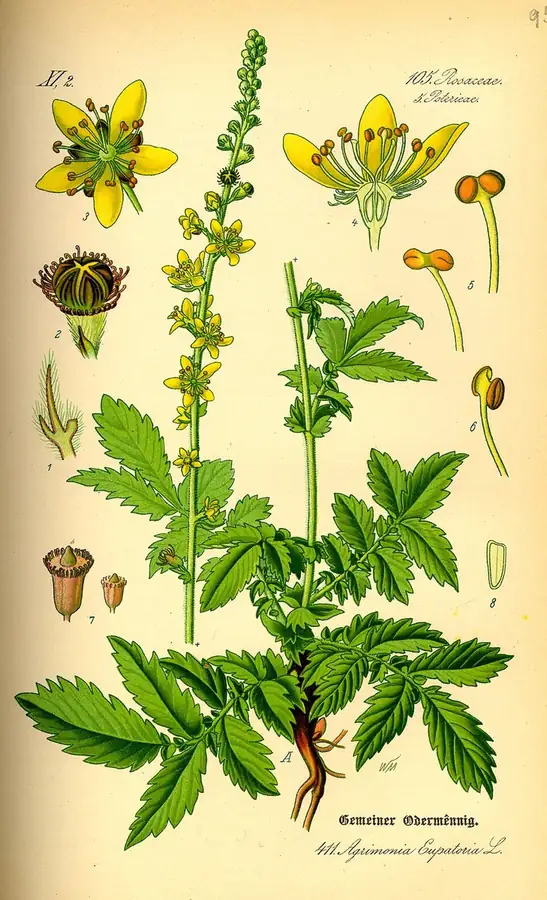
Agrimony — Agrimonia eupatoria L.
CompressAgrimony

Agrimonia eupatoria L.

Apply to the skin

Agrimony compress for intact skin

Traditional use for minor skin inflammation. This collection limits the non-sterile preparation to intact skin, although the monograph also mentions small wounds.

Ingredients, steps & precautions
Adults · 18+Apply to the skinTraditional use

Plant part: Dried, fragmented flowering tops

Ingredients & quantities

  • 3–10 g quality-controlled, dried Agrimonia eupatoria L. flowering tops
  • 250 ml cold drinking water
  • A clean, single-use compress

Preparation steps

  1. Place the weighed herb in the 250 ml cold water.
  2. Bring to the boil, then simmer for 15–30 minutes: the EMA glossary’s general method, as the monograph gives no preparation-specific time. Follow the leaflet first.
  3. Strain carefully and allow to cool to a comfortable temperature before use.
  4. Soak the compress and apply it to the small affected area of intact skin.

Use: Adults aged 18+. The monograph gives neither frequency nor contact time for dressings: have a pharmacist specify them for the chosen product. Seek advice if symptoms worsen or last over one week.

Storage: Prepare immediately before use. The monograph establishes no storage period for this water-based preparation; do not make a stock batch.

Before you start. Do not apply to wounds, infected skin, major burns or near the eyes. Avoid with agrimony allergy; stop if the skin reacts. Medicinal use is not recommended during pregnancy or breastfeeding because data are insufficient.
Read all plant precautions
Open the full plant profile
Agrimony — Agrimonia eupatoria L.
InfusionAgrimony

Agrimonia eupatoria L.

To drink

Agrimony infusion — mild diarrhoea

Traditional use for mild, short-lived diarrhoea. Clinical evidence is insufficient to establish efficacy; this tea does not replace rehydration.

Ingredients, steps & precautions
Adults · 18+To drinkTraditional use

Plant part: Dried, fragmented flowering tops

Ingredients & quantities

  • 1.5–4 g quality-controlled, dried flowering tops of Agrimonia eupatoria L.
  • 250 ml boiling drinking water

Preparation steps

  1. Weigh the herb and pour the 250 ml boiling water over it.
  2. Steep for 5–15 minutes: the EMA glossary’s general method where the monograph gives no duration. Follow the product leaflet first.
  3. Strain carefully and allow to cool to a comfortable temperature before use.

Use: Adults aged 18+. EMA reference: 1 preparation, 2–3 times daily. Seek advice if diarrhoea lasts over 3 days, worsens, recurs or contains blood. Seek advice sooner for fever, significant pain or dehydration signs.

Storage: Prepare immediately before use. The monograph establishes no storage period for this water-based preparation; do not make a stock batch.

Before you start. Avoid with agrimony allergy. Medicinal use is not recommended during pregnancy or breastfeeding because data are insufficient. Do not combine astringent herbs to intensify the effect. The monograph reports no interactions, which does not guarantee their absence; ask a pharmacist to check medicines.
Read all plant precautions
Open the full plant profile
Agrimony — Agrimonia eupatoria L.
Mouth rinseAgrimony

Agrimonia eupatoria L.

Mouth & throat · do not swallow

Agrimony mouth rinse

Traditional local use for minor mouth inflammation. Clinical evidence is insufficient to promise healing or replace dental care.

Ingredients, steps & precautions
Adults · 18+Mouth & throat · do not swallowTraditional use

Plant part: Dried, fragmented flowering tops

Ingredients & quantities

  • 1.5 g quality-controlled, dried Agrimonia eupatoria L. flowering tops
  • 150 ml boiling drinking water

Preparation steps

  1. Pour the 150 ml boiling water over the weighed herb.
  2. Steep for 5–15 minutes: the EMA glossary’s general method where the monograph gives no duration. Follow the product leaflet first.
  3. Strain carefully and allow to cool to a comfortable temperature before use.
  4. Rinse the mouth, or gargle only if able to do so safely, then spit out.

Use: Adults aged 18+. EMA reference: 2–4 uses daily. The monograph gives no contact time. Seek advice if symptoms worsen or last over one week.

Storage: Prepare immediately before use. The monograph establishes no storage period for this water-based preparation; do not make a stock batch.

Before you start. Do not swallow. Avoid with agrimony allergy. Medicinal use is not recommended during pregnancy or breastfeeding because data are insufficient. Toothache, swelling or difficulty swallowing need advice; this rinse does not treat an abscess.
Read all plant precautions
Open the full plant profile
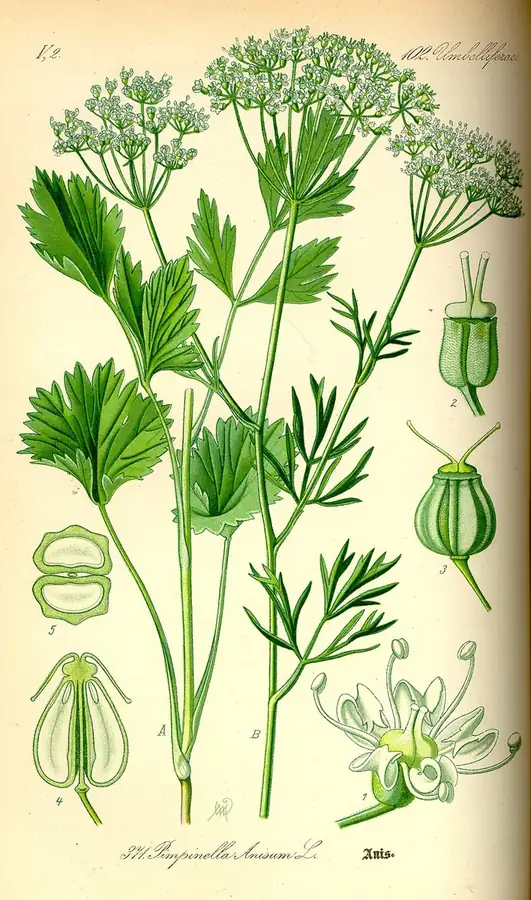
Anise — Pimpinella anisum L.
InfusionAnise

Pimpinella anisum L.

To drink

Aniseed infusion — digestive comfort

Traditional use for mild digestive spasms with bloating and gas. This status does not establish a clinically proven benefit.

Ingredients, steps & precautions
Adults · 18+To drinkTraditional use

Plant part: Dried anise fruits

Ingredients & quantities

  • 1–3.5 g dried Pimpinella anisum L. fruits, whole or freshly fragmented
  • 150 ml drinking water, brought to the boil

Preparation steps

  1. Check the botanical name and plant part on a product intended for herbal tea; weigh the stated quantity.
  2. Place the herb in a heatproof cup and pour over 150 ml boiling water.
  3. Steep for 5–15 minutes unless the product leaflet specifies otherwise. This is the general method in the EMA glossary; the plant monograph does not specify a particular steeping time.
  4. Strain, then let the infusion cool to a comfortable drinking temperature.

Use: Monograph reference: one 150 ml preparation, 3 times daily. Do not continue for more than 2 weeks; seek advice if symptoms persist or worsen. Aniseed is distinct from star anise.

Storage: Prepare immediately before use, as specified by the EMA glossary. The monograph does not document a household storage period; do not prepare a batch for later use.

Before you start. This guide restricts use to adults aged 18 and over. Not recommended during pregnancy or breastfeeding because safety data are insufficient. Contraindicated with allergy to aniseed, Apiaceae plants (caraway, celery, coriander, dill, fennel) or anethole. Skin or respiratory allergic reactions can occur: stop and seek advice; significant breathing difficulty requires urgent help. No interactions are reported in this monograph; this does not establish compatibility with medicines. Ask a pharmacist if you take medication.

Read all plant precautions
Open the full plant profile
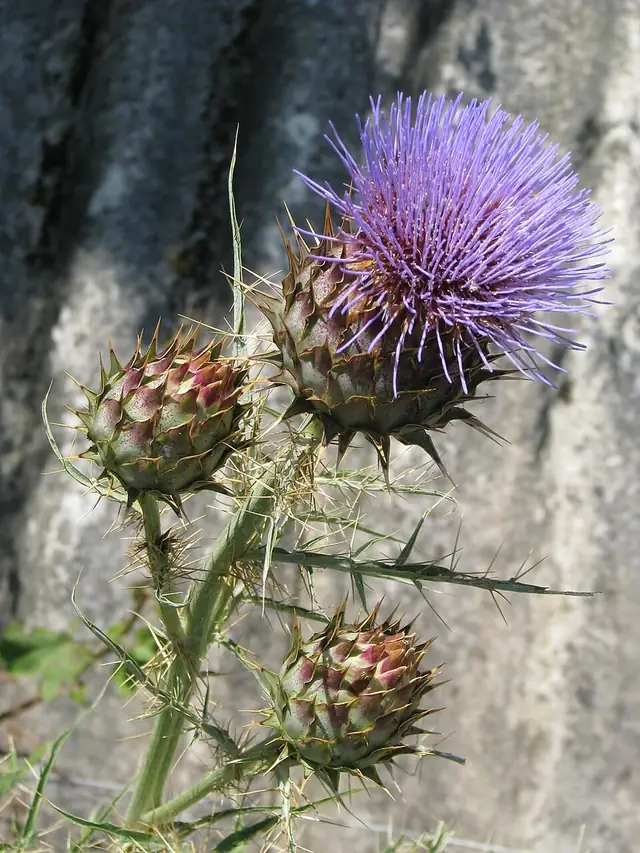
Artichoke — Cynara cardunculus L.
InfusionArtichoke

Cynara cardunculus L.

To drink

Artichoke leaf infusion — post-meal fullness

Traditional use for indigestion, fullness and bloating. Findings for particular extracts do not establish the efficacy of this herbal tea.

Ingredients, steps & precautions
Adults · 18+To drinkTraditional use

Plant part: Dried cut leaves

Ingredients & quantities

  • 3 g dried cut leaves of Cynara cardunculus L. (syn. Cynara scolymus L.)
  • 150 ml boiling drinking water

Preparation steps

  1. Use artichoke leaf supplied for herbal tea, not the vegetable’s edible bracts; weigh 3 g.
  2. Pour 150 ml boiling drinking water over the herb in a heatproof container.
  3. Steep for 5–15 minutes unless the product leaflet says otherwise. This is the EMA glossary’s general method; the monograph gives no preparation-specific time.
  4. Strain, then allow to cool to a comfortable temperature before drinking.

Use: Selected EMA option: 3 g in 150 ml, 1–2 times daily; 3–6 g leaves in total. Do not combine with the monograph’s other dose schedule. Seek advice after 2 weeks of persistent symptoms, or sooner if worsening.

Storage: Prepare immediately before use, following the EMA glossary. The monograph provides no domestic storage period; do not prepare a stock batch.

Before you start. For adults aged 18+ in this collection. Not recommended during pregnancy or breastfeeding because sufficient safety data are lacking. Contraindicated with Asteraceae allergy, bile-duct obstruction, cholangitis, liver disease, gallstones or another biliary condition requiring medical supervision. Diarrhoea, spasms, nausea, heartburn and allergies have been reported; stop if these occur. No interactions are reported in this monograph; this does not establish compatibility with medicines. Ask a pharmacist if you take medication.

Read all plant precautions
Open the full plant profile
DecoctionBilberry

Vaccinium myrtillus

To drink

Dried bilberry decoction — mild diarrhoea

Traditional use of dried ripe fruit for mild diarrhoea. This reference does not cover leaves, juice or fresh-fruit extracts intended for other uses.

Ingredients, steps & precautions
Adults · 18+To drinkTraditional use

Plant part: Dried ripe fruit, whole or fragmented

Ingredients & quantities

  • 5–15 g quality-controlled, dried ripe Vaccinium myrtillus L. fruit
  • 250 ml cold drinking water

Preparation steps

  1. Place the weighed fruit in the 250 ml cold water.
  2. Bring to the boil, then simmer for 15–30 minutes: the EMA glossary’s general method, as the monograph gives no preparation-specific time. Follow the leaflet first.
  3. Strain carefully and allow to cool to a comfortable temperature before use.

Use: Adults aged 18+. EMA reference: 1 preparation, 3–4 times daily, within 15–60 g dried fruit per day. Maintain rehydration. Seek advice if symptoms worsen or last over 3 days; sooner for blood, fever or dehydration signs.

Storage: Prepare immediately before use. The monograph establishes no storage period for this water-based preparation; do not make a stock batch.

Before you start. Avoid with bilberry allergy. The monograph permits dried fruit during pregnancy and breastfeeding; this does not extend to leaves and extracts. Seek individual advice before medicinal use. No reported interactions does not mean interactions are impossible.

Read all plant precautions
Open the full plant profile
Mouth rinseBilberry

Vaccinium myrtillus

Mouth & throat · do not swallow

Dried bilberry mouth rinse

Traditional use for minor mouth inflammation. This rinse has a different concentration from the decoction intended for drinking.

Ingredients, steps & precautions
Adults · 18+Mouth & throat · do not swallowTraditional use

Plant part: Dried ripe fruit, whole or fragmented

Ingredients & quantities

  • 20 g quality-controlled, dried ripe Vaccinium myrtillus L. fruit
  • 200 ml cold drinking water

Preparation steps

  1. Place the 20 g fruit in the 200 ml cold water.
  2. Bring to the boil, then simmer for 15–30 minutes: the EMA glossary’s general method, as the monograph gives no preparation-specific time. Follow the leaflet first.
  3. Strain carefully and allow to cool to a comfortable temperature before use.
  4. Rinse the mouth, then spit out without swallowing.

Use: Adults aged 18+. EMA reference: several rinses daily, with no precise number or contact time stated. Seek advice if symptoms worsen or last over one week.

Storage: Prepare immediately before use. The monograph establishes no storage period for this water-based preparation; do not make a stock batch.

Before you start. Do not swallow this concentrated rinse. Avoid with bilberry allergy. Do not substitute leaves for dried fruit. EMA permits dried fruit during pregnancy and breastfeeding; seek advice for medicinal use. Toothache, swelling or fever need professional assessment.

Read all plant precautions
Open the full plant profile
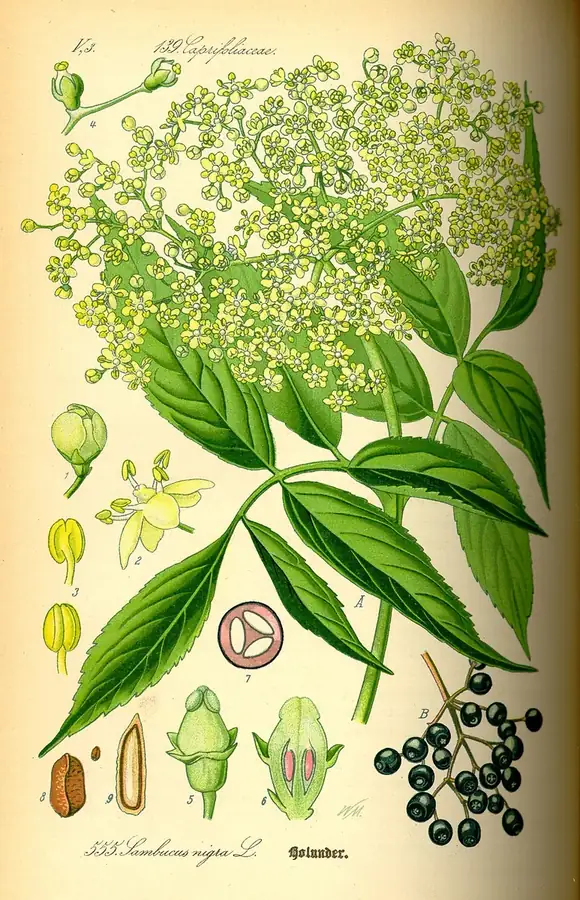
Black elder — Sambucus nigra
InfusionBlack elder

Sambucus nigra

To drink

Elderflower infusion

Reference for the early symptoms of a common cold. Traditional use; robust clinical trials have not established this preparation’s efficacy.

Ingredients, steps & precautions
Adults · 18+To drinkTraditional use

Plant part: Dried flowers

Ingredients & quantities

  • 2–5 g dried, identified Sambucus nigra L. flowers supplied for herbal tea
  • 150 ml boiling drinking water

Preparation steps

  1. Weigh the identified, dried, cut plant part supplied for this use.
  2. Pour 150 ml boiling drinking water over the herb.
  3. Steep for 5–15 minutes: the EMA glossary’s general reference, as the monograph gives no specific duration. Follow the product leaflet first.
  4. Strain and allow to cool to a comfortable temperature before use.

Use: For adults aged 18+ in this collection. One preparation per dose, 3 times daily. Seek advice if symptoms last over one week, worsen, or if fever, breathing difficulty or purulent sputum develops.

Storage: Prepare immediately before use. No storage period is established here; do not make a stock batch (EMA glossary, §4).

Before you start. Contraindicated with elderflower allergy. This preparation covers only Sambucus nigra flowers: not leaves, bark, berries or another elder species. No reported interaction does not mean compatibility with every medicine. Use is not recommended during pregnancy or breastfeeding because data are insufficient.
Read all plant precautions
Open the full plant profile
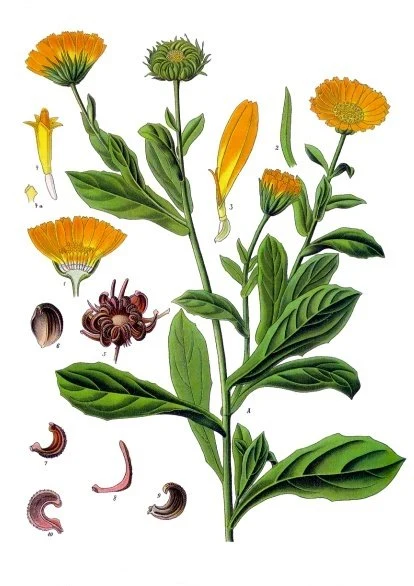
Calendula — pot marigold — Calendula officinalis L.
Mouth rinseCalendula — pot marigold

Calendula officinalis L.

Mouth & throat · do not swallow

Calendula mouth rinse

Traditional use for minor oral inflammation, with limited clinical evidence. Does not replace dental care.

Ingredients, steps & precautions
Adults · 18+Mouth & throat · do not swallowTraditional use

Plant part: Dried flowers

Ingredients & quantities

  • 1–2 g quality-controlled dried Calendula officinalis L. flowers
  • 150 ml boiling drinking water

Preparation steps

  1. Pour the 150 ml boiling water over the weighed flowers.
  2. Steep for 5–15 minutes: the EMA glossary’s general method, as the monograph gives no plant-specific time. Follow the tea’s leaflet first.
  3. Strain, then allow to cool to a comfortable temperature before use.
  4. Rinse the mouth, then spit out the preparation.

Use: Adults aged 18+. EMA reference: 2–4 rinses daily. No exact contact time is defined. Seek advice if symptoms worsen or last over one week.

Storage: Prepare immediately before use (EMA glossary). The monograph establishes no storage period; do not prepare a stock batch.

Before you start. Do not swallow or use in the eyes. Contraindicated with Asteraceae allergy. Stop if an allergic reaction occurs. Medicinal use during pregnancy or breastfeeding is not recommended because data are insufficient. Toothache, swelling or fever require professional advice.

Read all plant precautions
Open the full plant profile
Calendula — pot marigold — Calendula officinalis L.
CompressCalendula — pot marigold

Calendula officinalis L.

Apply to the skin

Lukewarm calendula compress

Traditional use for minor skin inflammation. This non-sterile preparation is restricted here to intact skin.

Ingredients, steps & precautions
Adults · 18+Apply to the skinTraditional use

Plant part: Dried flowers

Ingredients & quantities

  • 1–2 g quality-controlled dried Calendula officinalis L. flowers
  • 150 ml boiling drinking water
  • A clean single-use compress

Preparation steps

  1. Pour the 150 ml boiling water over the weighed flowers.
  2. Steep for 5–15 minutes: the EMA glossary’s general method, as the monograph gives no plant-specific time. Follow the tea’s leaflet first.
  3. Strain, then allow to cool to a comfortable temperature before use.
  4. Soak the compress, then apply to the small affected area, avoiding the eyes.
  5. Remove after 30–60 minutes, as specified by the monograph.

Use: Adults aged 18+. EMA reference: 2–4 applications daily. Seek advice if discomfort lasts over one week, worsens or shows signs of infection.

Storage: Prepare immediately before use (EMA glossary). The monograph establishes no storage period; do not prepare a stock batch.

Before you start. Contraindicated with calendula or Asteraceae allergy. Skin sensitisation is possible. Do not use on a deep or infected wound or a significant burn. Medicinal use is not recommended in pregnancy or breastfeeding because data are insufficient. Ask a professional about appropriate care for broken skin.
Read all plant precautions
Open the full plant profile
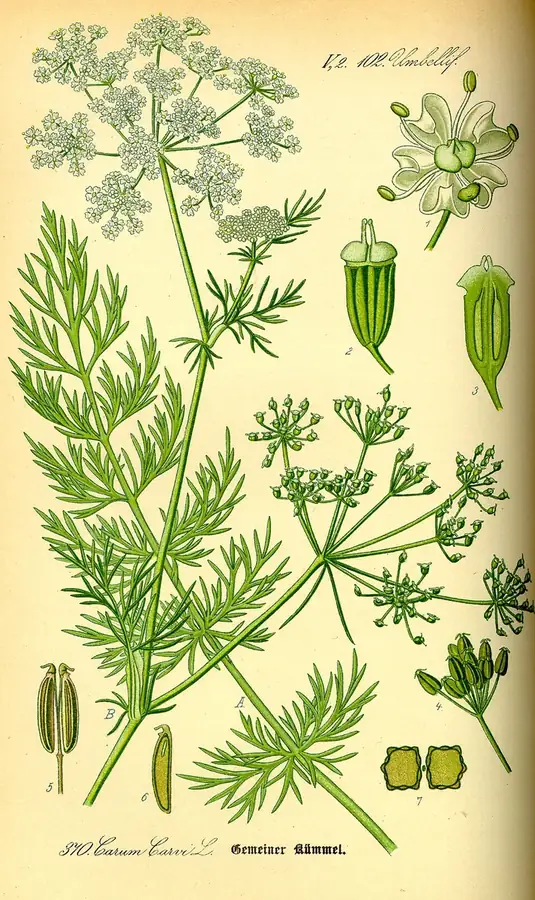
Caraway — Carum carvi L.
InfusionCaraway

Carum carvi L.

To drink

Caraway infusion — bloating

Traditional use for relief of bloating and flatulence. Adequate clinical trials have not established the effectiveness of this tea.

Ingredients, steps & precautions
Adults · 18+To drinkTraditional use

Plant part: Dried fruits

Ingredients & quantities

  • 0.5–2 g dried Carum carvi L. fruits, whole or fragmented
  • 150 ml drinking water, brought to the boil

Preparation steps

  1. Check the botanical name and plant part on a product intended for herbal tea; weigh the stated quantity.
  2. Place the herb in a heatproof cup and pour over 150 ml boiling water.
  3. Steep for 5–15 minutes unless the product leaflet specifies otherwise. This is the general method in the EMA glossary; the plant monograph does not specify a particular steeping time.
  4. Strain, then let the infusion cool to a comfortable drinking temperature.

Use: Monograph reference: one 150 ml preparation, 1–3 times daily. Seek advice if symptoms persist beyond 2 weeks, or sooner if they worsen. This reference does not replace the product leaflet.

Storage: Prepare immediately before use, as specified by the EMA glossary. The monograph does not document a household storage period; do not prepare a batch for later use.

Before you start. This guide restricts use to adults aged 18 and over. Not recommended during pregnancy or breastfeeding because safety data are insufficient. Contraindicated with allergy to caraway, Apiaceae plants (anise, fennel, celery, coriander, dill), mugwort or birch. Not recommended with liver disease, cholangitis, gallstones or other biliary disorders, or achlorhydria. Stop and seek advice if an adverse reaction occurs. No interactions are reported in this monograph; this does not establish compatibility with medicines. Ask a pharmacist if you take medication.

Read all plant precautions
Open the full plant profile
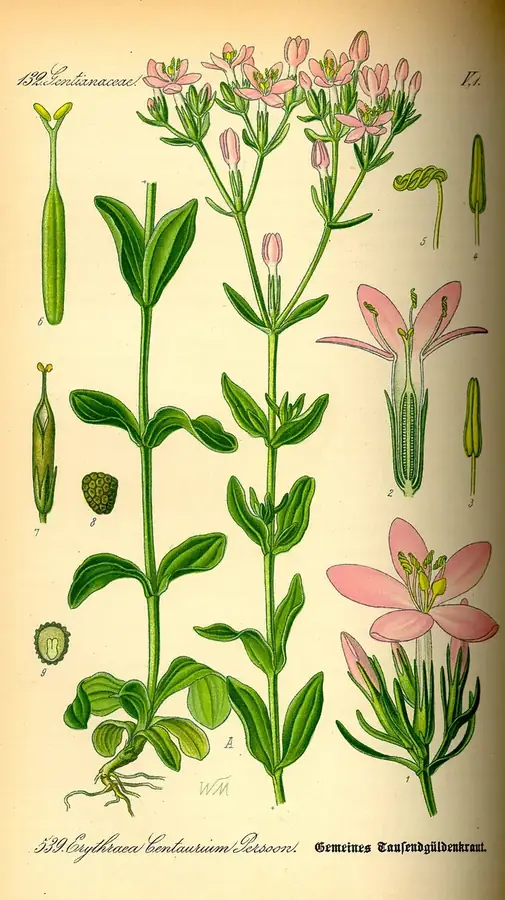
Common centaury — Centaurium erythraea Rafn.
InfusionCommon centaury

Centaurium erythraea Rafn.

To drink

Centaury infusion — a bitter digestive reference

Traditional use for mild digestive complaints and temporary appetite loss. Long-standing use does not replace conclusive clinical trials.

Ingredients, steps & precautions
Adults · 18+To drinkTraditional use

Plant part: Dried flowering aerial parts

Ingredients & quantities

  • 1–4 g dried cut flowering aerial parts of Centaurium erythraea Rafn.
  • 200 ml boiling drinking water

Preparation steps

  1. Check the botanical name and plant part on a quality-controlled herbal tea; weigh the herb.
  2. Pour 200 ml boiling drinking water over the herb in a heatproof container.
  3. Steep for 5–15 minutes unless the product leaflet says otherwise. This is the EMA glossary’s general method; the monograph gives no preparation-specific time.
  4. Strain, then allow to cool to a comfortable temperature before drinking.

Use: EMA reference: one preparation per dose, up to 4 times daily. Seek advice if symptoms persist over 2 weeks or worsen. Do not automatically combine several bitter herbal teas.

Storage: Prepare immediately before use, following the EMA glossary. The monograph provides no domestic storage period; do not prepare a stock batch.

Before you start. For adults aged 18+ in this collection. Not recommended during pregnancy or breastfeeding because sufficient safety data are lacking. Contraindicated with a stomach or duodenal ulcer, or allergy to the herb. Data for use under 18 are insufficient. Stop and seek advice if an adverse reaction occurs. No interactions are reported in this monograph; this does not establish compatibility with medicines. Ask a pharmacist if you take medication.

Read all plant precautions
Open the full plant profile
WhatsApp Appointments