Identity & origin
BOTANICAL IDENTITY
The right name is the first step.
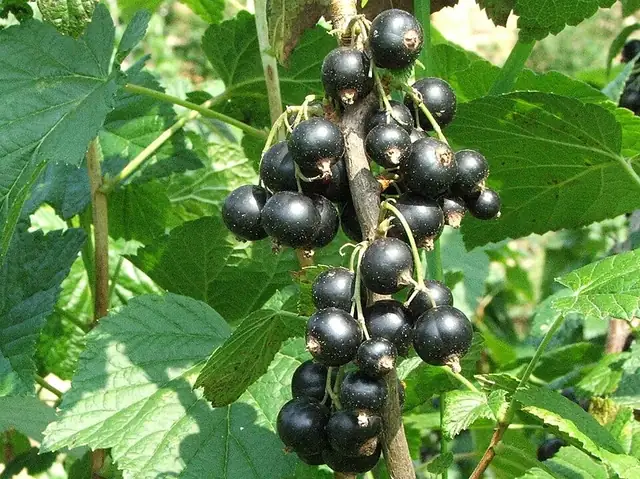
Blackcurrant — leaf: guidance on the leaf, with uses and precautions specific to the documented preparations.
Also known as: blackcurrant
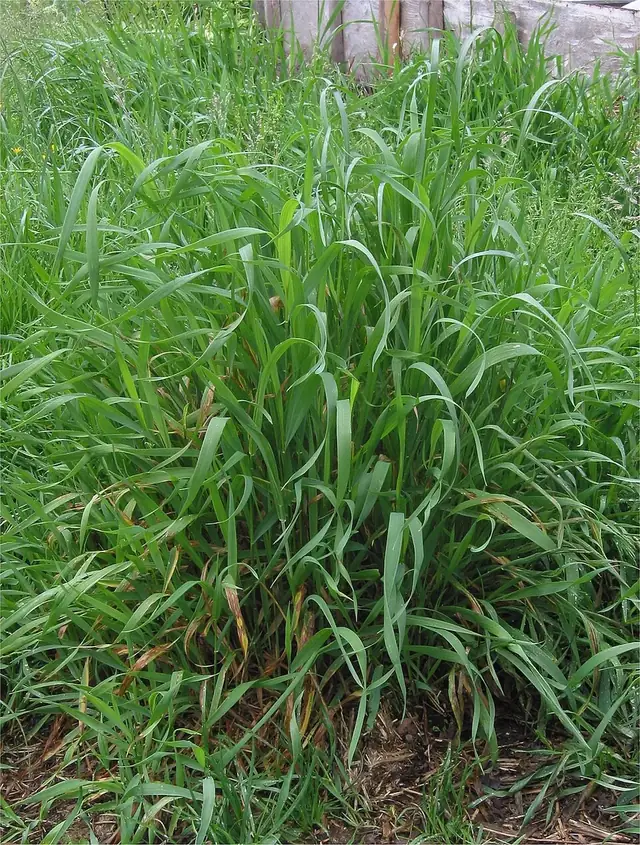
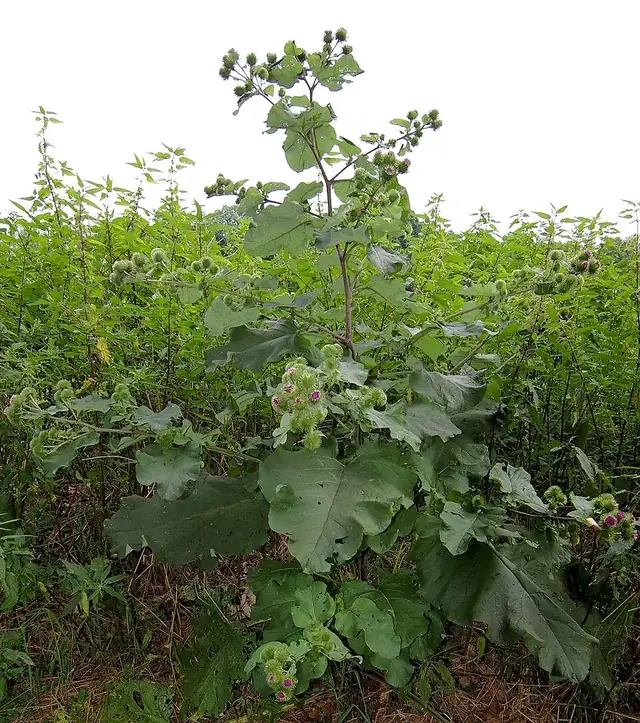
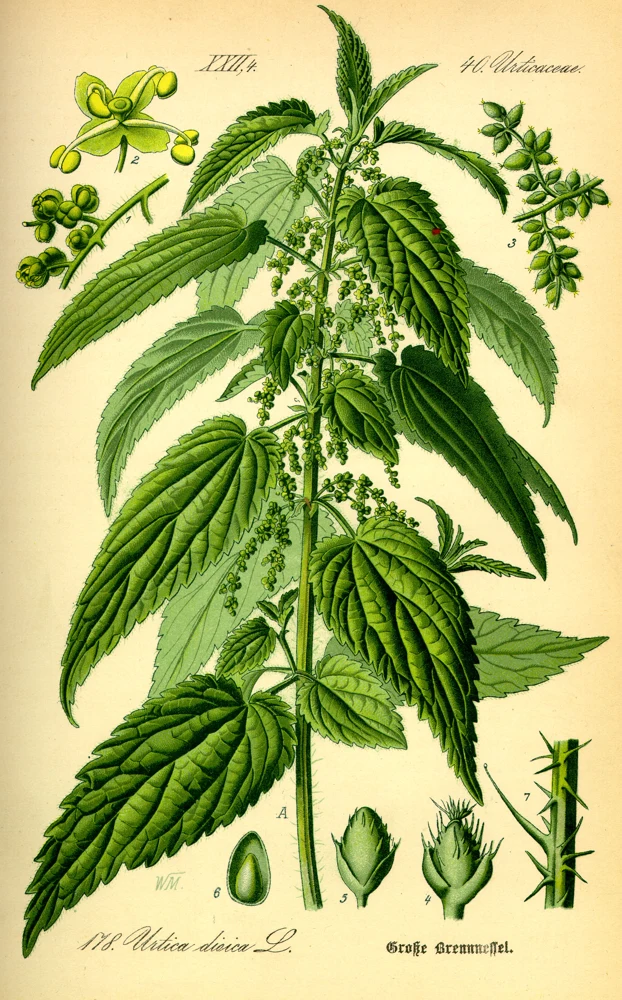
The botanical name and part used must match the profile; a photograph alone is not sufficient grounds for consuming a plant.
An illustration is not enough to identify a plant for consumption. Do not forage for a species based solely on this profile.
Uses & evidence
UNDERSTANDING THE USES
Properties & uses.
Joints
Traditional relief of minor joint pain.
Use considered plausible in a traditional-use monograph. That status alone does not demonstrate clinical efficacy.
Read the sourceUrinary comfort
Traditional use promoting urine volume in minor complaints.
Use considered plausible in a traditional-use monograph. That status alone does not demonstrate clinical efficacy.
Read the sourceThe traditional uses described are not clinical proof of effectiveness. Evidence for one preparation cannot automatically be applied to another.
Precautions before use
BEFORE ANY USE
Precautions & contraindications.
This guidance does not cover every individual situation. Missing information is not a guarantee of safety.
Contraindications & precautions
- Source-listed contraindicationAllergy to the substance or preparation.Source
- Source-listed contraindicationUrinary use is contraindicated when fluid restriction is prescribed, including severe cardiac or renal disease.Source
- PrecautionFever, painful urination, spasms or blood in the urine require medical advice. The herb alone is not a treatment for urinary infection.Source
- PrecautionRed or swollen joint, or pain with fever, requires medical assessment.Source
Medicine interactions
- No interaction reported in the sourceNo interactions reported in the consulted source for the described preparations; this does not establish compatibility with every medicine.Source
“Reported” does not prove causality; “possible” may reflect indirect evidence. “None reported” means none in the cited source, not that all combinations have been studied. Do not stop a prescribed treatment based on this profile.
Adverse effects
- No known effects in the monograph; limited data.
Pregnancy & breastfeeding
Insufficient data: medicinal use is not recommended during pregnancy or breastfeeding. This data gap is distinct from an established contraindication.
SourceChildren & adolescents
Medicinal use is not recommended below 18 years because data are insufficient; adult preparations and doses cannot be extrapolated.
SourceIf symptoms persist, worsen or are unusual, consult a healthcare professional. In an emergency, contact the emergency services.
Forms & how they are used
DOCUMENTED FORMS
One plant, several preparations.
Only forms documented in this profile’s sources are presented.
InfusionLeaf · Route: oral
Powder or dry extractLeaf · Route: oral
Preparations: ingredients & steps
DOCUMENTED PREPARATIONS
Preparations & recipes.
A DOCUMENTED PREPARATION
Blackcurrant leaf infusion — joints
Traditional relief of minor joint pain. Traditional-use guidance; sufficient clinical evidence for a benefit from this tea is lacking.
Plant part: Leaves
Ingredients & quantities
- 2–4 g — dried, comminuted leaves (Ribes nigrum)
- 200 ml water
Preparation steps
- Weigh 2–4 g of the specified dried, comminuted part from a supplier who verifies the species.
- Pour 200 ml of boiling water over the herb.
- Cover and steep for 10–15 minutes, then strain.
- Allow to cool before drinking. Do not substitute an extract or essential oil.
Use: One cup 3 times daily, totalling 6–12 g leaves daily. Seek advice if discomfort persists beyond four weeks, or sooner if it worsens.
Storage: Prepare a cup just before use and drink once cooled. No storage period for the prepared infusion is established here; do not keep it for the following day.
Before you start. Adults aged 18 and over. Do not use if allergic to the plant. Not recommended during pregnancy or breastfeeding because sufficient safety data are lacking. A red or swollen joint, or pain with fever, needs medical assessment. This preparation uses leaves, not buds or berries. Seek advice before using if fluids are restricted. No known specific adverse effects does not guarantee tolerance. No reported interaction in the monograph does not mean no risk; ask a pharmacist to check your medicines.
Understanding the plant’s actions
EXPLORE THE EVIDENCE
How does the plant act?
Blackcurrant leaf differs from the fruit and seed oil, which have different compositions and uses. Two traditional areas are recognized: minor joint pain and urinary flushing as support for minor complaints. Experimental anti-inflammatory observations make some uses plausible, without establishing the clinical efficacy of a herbal tea against joint disease.
Constituents to know.
Their presence and quantity depend on the plant part and preparation.
- Flavonoids and other polyphenols
- The leaf contains quercetin, kaempferol and myricetin derivatives; measuring these compounds also serves quality control.Read the reference
Joint comfort
Leaf preparations have traditional use for minor joint pain; this does not mean they modify osteoarthritis or arthritis.
Use considered plausible in a traditional-use monograph. That status alone does not demonstrate clinical efficacy.
Read the referenceUrinary elimination
Traditional use aims to increase urine output with appropriate fluid intake; it is unsuitable when fluids are restricted.
Use considered plausible in a traditional-use monograph. That status alone does not demonstrate clinical efficacy.
Read the referenceWhat this means for preparation.
A “blackcurrant” profile is only useful if it specifies leaf, fruit or oil. Increased urine output does not justify use to treat cardiac or renal edema.
Studies, findings & limitations
THE RESEARCH
What the research shows.
A laboratory or animal result alone does not demonstrate a benefit in humans. Each result must be read alongside the preparation studied and its limitations.
From laboratory to use
Use considered plausible in a traditional-use monograph. That status alone does not demonstrate clinical efficacy.
- Type of research
- EMA review of in vitro/in vivo experiments and traditional documentation.
- Preparation concerned
- Ribes nigrum leaf, extracts and powder depending on the preparations.
- Observed results
- Pharmacological results support plausibility, but no sufficient clinical data establish efficacy.
- Limitations to consider
- No constituent is recognized as solely responsible for the therapeutic action; data on the berry or oil do not automatically supplement this dossier.
What can we take from this?
There is no evidence here of an effect comparable to cortisone. A red, hot, swollen or persistently painful joint requires advice.
Documentary review dated 09/10/2026. The references remain available to check the context.
Sources & last review
CHECKING REFERENCES
Sources for this profile.
- EMA — Ribis nigri folium: dossier and documentsAccessed on 09/10/2026
- EMA — monographie finale, indication et sections 4.3 à 4.8 reluesAccessed on 09/10/2026
- ANSES — precautions for herbal supplements, June 2023 tableAccessed on 09/10/2026
- EMA — Ribes nigrum: assessment report, traditional preparationAccessed on 09/10/2026
Image: Jerzy Opioła · CC BY-SA 3.0. View the original image and its licence. Image resized and converted to WebP.