BOTANICAL IDENTITY
The right name is the first step.
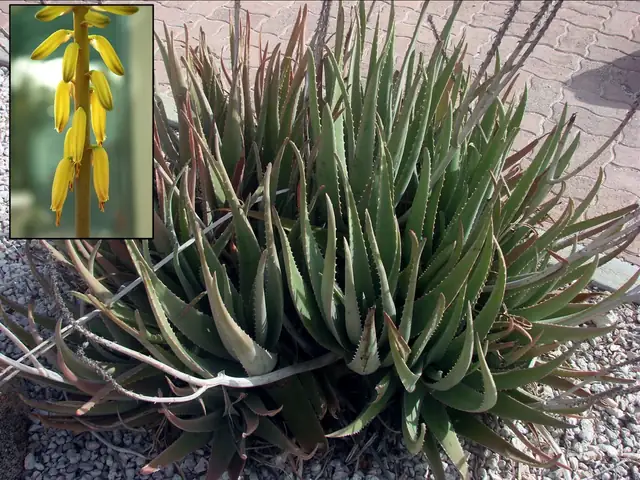
Also known as: Aloe vera, Aloe barbadensis
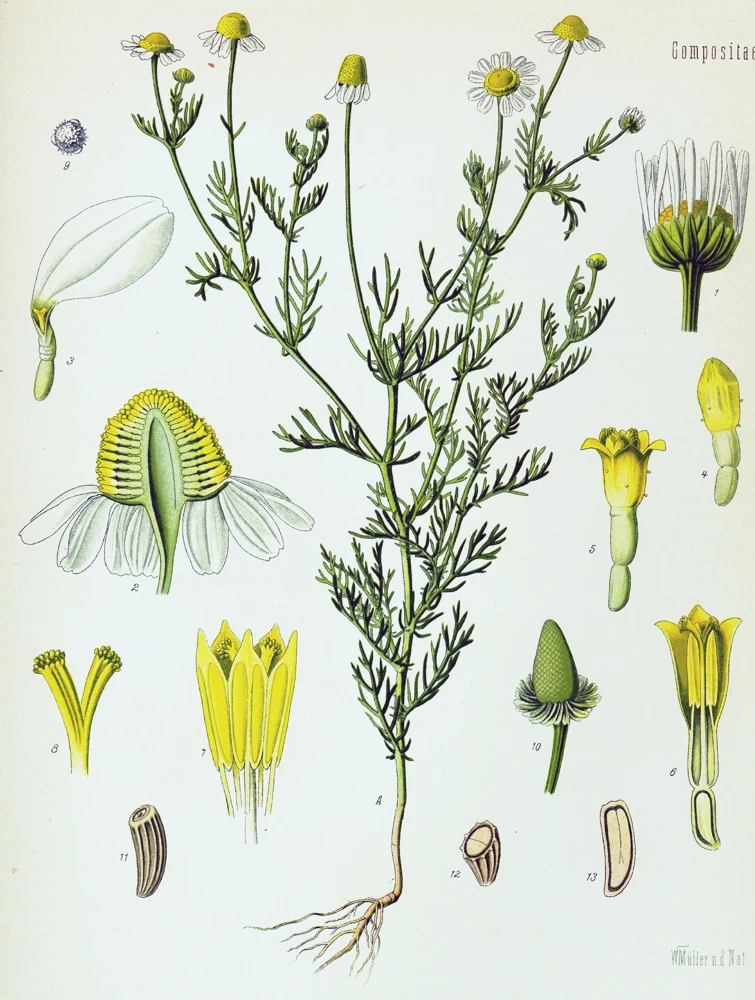
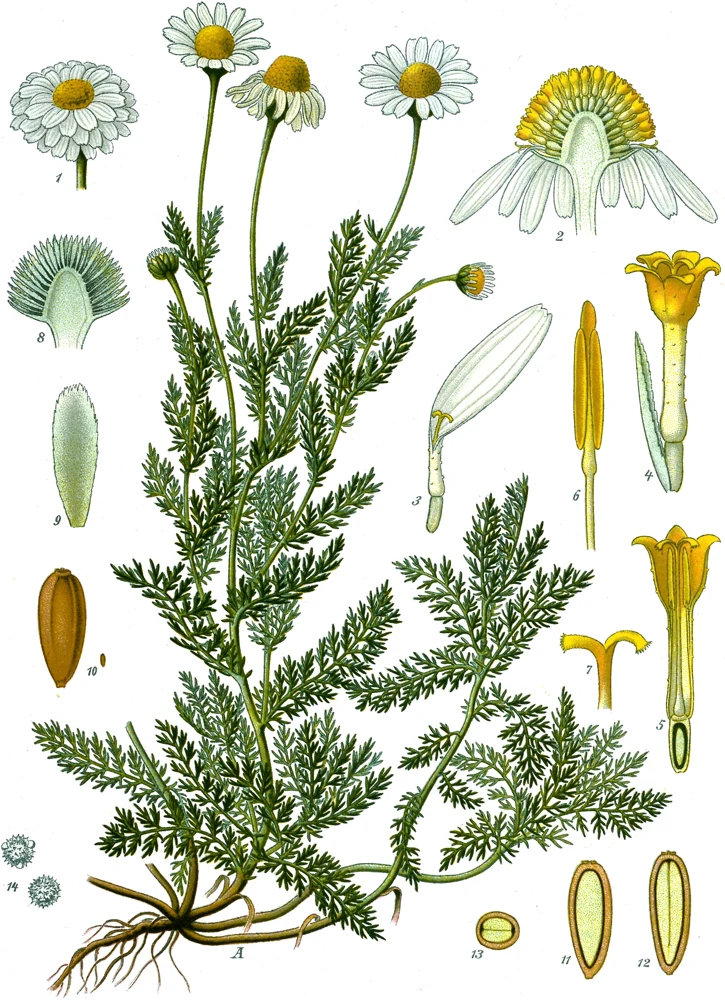
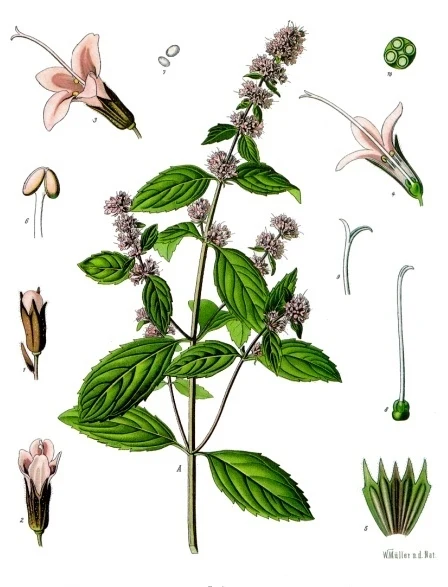
The botanical name, part and preparation must match. A photograph is not enough for identification intended for consumption.
An illustration is not enough to identify a plant for consumption. Do not forage for a species based solely on this profile.
01 · UNDERSTAND
Properties & uses.
Occasional constipation
Well-established short-term use of standardized medicines; seek professional advice before use.
Read the sourceThe traditional uses described are not clinical proof of effectiveness. Evidence for one preparation cannot automatically be applied to another.
02 · UNDERSTAND THE ACTION
How does the plant act?
Two often-confused materials must be distinguished: the dried juice containing hydroxyanthracene derivatives covered by the laxative monograph, and the transparent gel. The former acts as a stimulant laxative for occasional constipation. Here, the regulatory term “well-established use” rests largely on the pharmacology and effects of this family of substances, not on a series of modern trials specific to each aloe.
Constituents to know.
Their presence and quantity depend on the plant part and preparation.
- Hydroxyanthracene derivatives
- These substances in the juice are transformed during intestinal transit. They are distinct from constituents associated with the gel's cosmetic uses.Read the reference
Water and colon function
The active metabolites alter intestinal movements and water and electrolyte transport; experimental observations support the laxative effect.
Read the referenceOccasional constipation
The monograph recognizes only brief use of defined preparations of the dried juice; it does not validate an intestinal “cleansing” course.
Read the referenceWhat this means for preparation.
Reading “gel,” “whole leaf” or “dried juice” completely changes how the product should be understood. No home extraction or prolonged use is proposed.
03 · EXAMINE THE EVIDENCE
What the research shows.
A laboratory or animal result alone does not demonstrate a benefit in humans. Each result must be read alongside the preparation studied and its limitations.
Actual scope of the human evidence
- Type of research
- EMA assessment report on aloe juices.
- Preparation concerned
- Dried juice of Aloe barbadensis and other explicitly covered aloes.
- Observed results
- The report notes the absence of well-designed clinical trials with the single-ingredient preparations concerned; the reasoning also draws on anthranoid class effects.
- Limitations to consider
- Results on whole leaf, gel or related species are not interchangeable.
What can we take from this?
Diarrhea and potassium loss can increase interactions. Toxicological concerns explain the restrictions; “plant-based” does not mean a gentle laxative.
Documentary review dated 09/10/2026. The references remain available to check the context.
04 · CHOOSE A PREPARATION
One plant, several preparations.
Only forms documented in this profile’s sources are presented.
Standardised medicineDried leaf juice, distinct from the gel · Route: oral
Dried juice preparation defined by the monograph.
Please note: No homemade preparation. Use limited to one week; seek medical advice if symptoms persist.
Read the source05 · BEFORE ANY USE
Precautions & contraindications.
This guidance does not cover every individual situation. Missing information is not a guarantee of safety.
Contraindications
- Obstruction, appendicitis, inflammatory bowel diseases, unexplained abdominal pain or severe dehydration.
- Pregnancy, breastfeeding and under 12 years: contraindicated.
Medicine interactions
- Seek medical advice if taking digitalis medicines, antiarrhythmics, QT-prolonging medicines, diuretics, corticosteroids or licorice.
Adverse effects
- Prolonged use can disrupt electrolytes and bowel function.
Pregnancy & breastfeeding
Contraindicated during pregnancy and breastfeeding.
Children & adolescents
Contraindicated under 12 years of age.
If symptoms persist, worsen or are unusual, consult a healthcare professional. In an emergency, contact the emergency services.
06 · PUTTING KNOWLEDGE INTO PRACTICE
Preparations & recipes.
No home recipe is provided in this profile. For an appropriate preparation, refer to the product leaflet and ask your pharmacist for advice.
07 · CHECK THE SOURCES
Sources for this profile.
- EMA — Aloes folii succus siccatus: official dossierAccessed on 09/10/2026
- EMA — monograph or public statement on Aloe barbadensisAccessed on 09/10/2026
- EMA — assessment report on Aloe barbadensis Mill. (Dried leaf juice, distinct from the gel)Accessed on 09/10/2026
Illustration: Collage by en:User:MidgleyDJ , original images from Wikimedia commons ( Image:Aloe_vera_offsets.jpg and Image:Aloe_vera_C.jpg ) · CC BY-SA 3.0. View the original image and its licence. Image resized and converted to WebP.
A TOUCH OF SOLÉA
Myriam’s tip
Myriam is reviewing the tip for this profile.
Myriam