BOTANICAL IDENTITY
The right name is the first step.
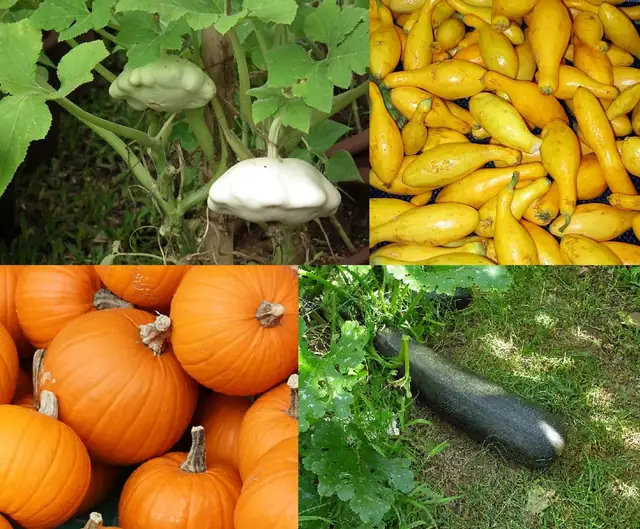
Also known as: Cucurbita pepo, pumpkin
The botanical name, part and preparation must match. A photograph is not enough for identification intended for consumption.
An illustration is not enough to identify a plant for consumption. Do not forage for a species based solely on this profile.
01 · UNDERSTAND
Properties & uses.
Urinary comfort
Traditional use for urinary problems associated with benign prostate enlargement or an overactive bladder, after serious causes have been medically excluded.
Read the sourceThe traditional uses described are not clinical proof of effectiveness. Evidence for one preparation cannot automatically be applied to another.
02 · UNDERSTAND THE ACTION
How does the plant act?
Cucurbita pepo seeds have documented traditional use for certain urinary symptoms associated with benign prostatic enlargement or an overactive bladder, after assessment. Trials do not allow claims that pumpkin reduces prostate size. Seeds, extract and fatty oil have different compositions; a large trial specifically shows that their results can differ.
Urinary symptoms
The traditional-use framework concerns functional discomfort, after serious causes have been excluded. It is not a treatment for prostate cancer or acute urinary retention.
Read the referenceSeeds and extract: different results
In GRANU, the response to the extract did not differ from placebo; a favorable signal was described for the seeds. Extraction therefore does not guarantee a superior effect.
Read the referenceWhat this means for preparation.
The species name and form studied matter more than a “prostate” promise. An improved score does not remove the need for medical follow-up of urinary symptoms.
03 · EXAMINE THE EVIDENCE
What the research shows.
A laboratory or animal result alone does not demonstrate a benefit in humans. Each result must be read alongside the preparation studied and its limitations.
GRANU trial
- Type of research
- Randomized, partially blinded, placebo-controlled trial; 1,431 men, one year.
- Preparation concerned
- Seeds, extract capsules or placebo, studied in separate groups.
- Observed results
- The response rate on a urinary score was 58.5% with seeds and 47.3% with placebo; the authors call for confirmation.
- Limitations to consider
- Partial blinding, descriptive analysis and absence of benefit from the extract versus placebo limit generalisation.
What can we take from this?
The mechanism specific to the seed is not established by this trial. Composition alone does not justify claims of hormonal action or a reduction in prostate volume.
Documentary review dated 09/10/2026. The references remain available to check the context.
04 · CHOOSE A PREPARATION
One plant, several preparations.
Only forms documented in this profile’s sources are presented.
Seeds or fragmentsDried ripe seeds · Route: oral
Medicinal preparation to be checked against its leaflet.
Please note: Check the preparation and its leaflet; concentrations are not interchangeable.
Read the sourceExtract or fatty oilDried ripe seeds · Route: oral
05 · BEFORE ANY USE
Precautions & contraindications.
This guidance does not cover every individual situation. Missing information is not a guarantee of safety.
Contraindications
- Do not use in cases of known allergy to this plant.
Medicine interactions
- Interactions are not detailed here: have a pharmacist check treatments and the preparation.
Adverse effects
- This entry does not provide an exhaustive list of adverse effects.
Pregnancy & breastfeeding
Medicinal use is not recommended during pregnancy and breastfeeding due to insufficient data.
Children & adolescents
For adults only.
If symptoms persist, worsen or are unusual, consult a healthcare professional. In an emergency, contact the emergency services.
06 · PUTTING KNOWLEDGE INTO PRACTICE
Preparations & recipes.
No home recipe is provided in this profile. For an appropriate preparation, refer to the product leaflet and ask your pharmacist for advice.
07 · CHECK THE SOURCES
Sources for this profile.
- EMA — Cucurbitae semen: official dossierAccessed on 09/10/2026
- EMA — monograph or public statement on Cucurbita pepoAccessed on 09/10/2026
- ANSES — precautions for plants in food supplements, June 2023 summaryAccessed on 09/10/2026
- Vahlensieck et al. — Pumpkin seed, GRANU trial, 2015Accessed on 09/10/2026
- EMA — assessment report on Cucurbita pepo L. (dried ripe seeds)Accessed on 09/10/2026
Illustration: Various · CC BY-SA 1.0. View the original image and its licence. Image resized and converted to WebP.
A TOUCH OF SOLÉA
Myriam’s tip
Myriam is reviewing the tip for this profile.
Myriam