BOTANICAL IDENTITY
The right name is the first step.
Also known as: No synonyms listed.
Curcuma longa and Curcuma xanthorrhiza are distinct; check the product's species.
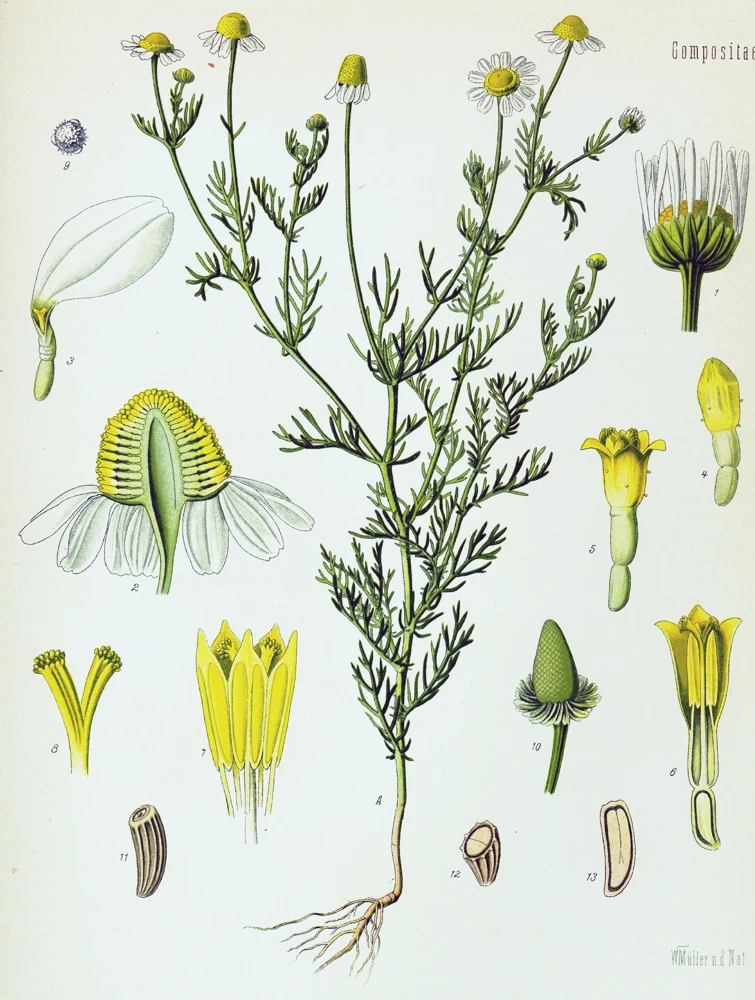
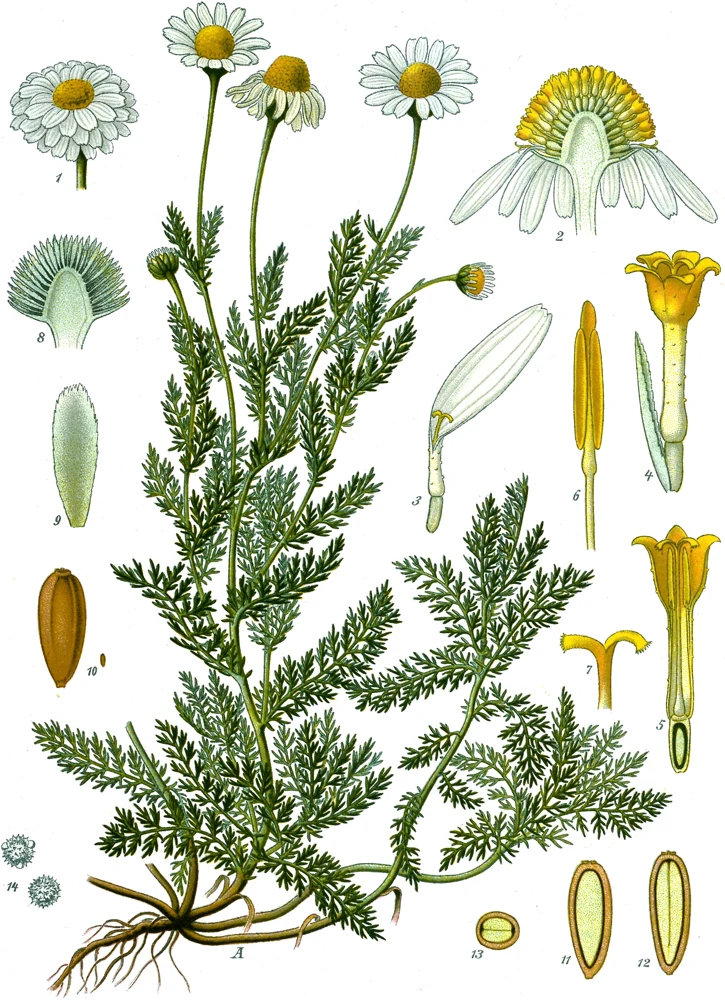
An illustration is not enough to identify a plant for consumption. Do not forage for a species based solely on this profile.
01 · UNDERSTAND
Properties & uses.
Sluggish digestion and bloating
Traditional use for mild digestive discomfort; insufficient evidence to generalize to other diseases.
Read the sourceThe traditional uses described are not clinical proof of effectiveness. Evidence for one preparation cannot automatically be applied to another.
02 · UNDERSTAND THE ACTION
How does the plant act?
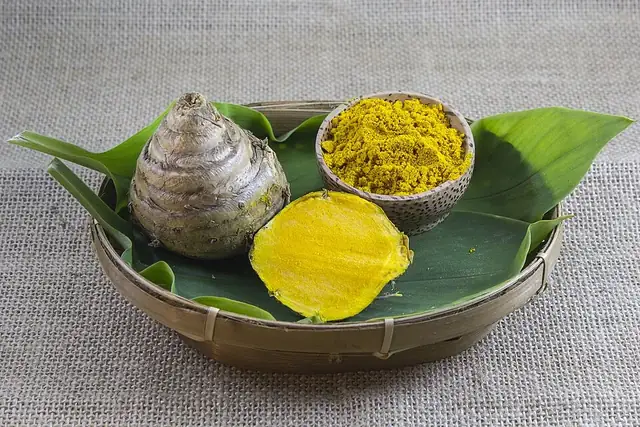
Javanese turmeric is a distinct species from Curcuma longa. Its rhizome has a traditional digestive use for fullness, slow digestion and flatulence. The human data reviewed by EMA concern, in particular, isolated curcumin: they do not directly establish the benefit of all preparations of this plant.
Constituents to know.
Their presence and quantity depend on the plant part and preparation.
- Curcumin
- This major constituent has been studied in isolation; it does not by itself represent a rhizome infusion or extract.Read the reference
Gallbladder emptying
A study in volunteers showed increased gallbladder emptying with curcumin. This is a physiological observation, not proof of digestive relief from the whole plant.
Read the referenceDigestive comfort
Recognition of the plant remains based on traditional use, due to insufficient clinical data.
Read the referenceWhat this means for preparation.
Identifying the species and extract type avoids transferring results from Curcuma longa or formulated curcumin.
03 · EXAMINE THE EVIDENCE
What the research shows.
A laboratory or animal result alone does not demonstrate a benefit in humans. Each result must be read alongside the preparation studied and its limitations.
A small indirect study
- Type of research
- Comparison with placebo in twelve healthy people, summarized by the EMA.
- Preparation concerned
- Isolated curcumin.
- Observed results
- Increased gallbladder emptying.
- Limitations to consider
- Isolated substance and small samples: no firm conclusion about Javanese turmeric rhizome.
What can we take from this?
An effect on the gallbladder does not justify self-treatment of a biliary disorder; the relevant precautions must be checked.
Documentary review dated 09/10/2026. The references remain available to check the context.
04 · CHOOSE A PREPARATION
One plant, several preparations.
Only forms documented in this profile’s sources are presented.
Herbal teaRhizome · Route: oral
Cut rhizome.
Please note: Check the preparation and its leaflet; concentrations are not interchangeable.
Read the sourceDefined extractRhizome · Route: oral
05 · BEFORE ANY USE
Precautions & contraindications.
This guidance does not cover every individual situation. Missing information is not a guarantee of safety.
Contraindications
- Obstruction or other biliary disorder: do not use without medical assessment.
Medicine interactions
- Interactions are not detailed here: have a pharmacist check treatments and the preparation.
Adverse effects
- Dry mouth, gas and gastric irritation have been reported.
Pregnancy & breastfeeding
Medicinal use is not recommended during pregnancy and breastfeeding due to insufficient data.
Children & adolescents
For adults only.
If symptoms persist, worsen or are unusual, consult a healthcare professional. In an emergency, contact the emergency services.
06 · PUTTING KNOWLEDGE INTO PRACTICE
Preparations & recipes.
No home recipe is provided in this profile. For an appropriate preparation, refer to the product leaflet and ask your pharmacist for advice.
07 · CHECK THE SOURCES
Sources for this profile.
- EMA — Curcumae xanthorrhizae rhizoma: official dossierAccessed on 09/10/2026
- ANSES — precautions for plants in food supplements, June 2023 summaryAccessed on 09/10/2026
Illustration: Herusutimbul · CC BY-SA 4.0. View the original image and its licence. Image resized and converted to WebP.
A TOUCH OF SOLÉA
Myriam’s tip
Myriam is reviewing the tip for this profile.
Myriam