BOTANICAL IDENTITY
The right name is the first step.
Also known as: No synonyms listed.
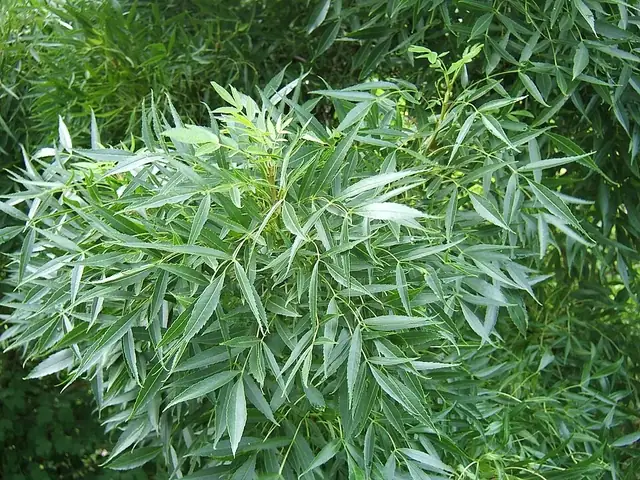
A common name and photograph do not guarantee identification. Check the botanical name and part indicated on a traceable product.
An illustration is not enough to identify a plant for consumption. Do not forage for a species based solely on this profile.
01 · UNDERSTAND
Properties & uses.
Minor joint pain
Use of the monographed group; the source does not demonstrate a benefit specific to each species.
Read the sourceTraditional urinary elimination
Use of the monographed group; the source does not demonstrate a benefit specific to each species.
Read the sourceThe traditional uses described are not clinical proof of effectiveness. Evidence for one preparation cannot automatically be applied to another.
02 · UNDERSTAND THE ACTION
How does the plant act?
F. angustifolia leaf shares with F. excelsior a tradition for minor joint pain and urinary support. Manna from the sap, bark and seeds correspond to other preparations. A laboratory experiment specific to the species explores an enzyme that generates reactive oxygen species; it does not demonstrate a treatment for gout.
Constituents to know.
Their presence and quantity depend on the plant part and preparation.
- Phenolic fractions
- The cited work separates several fractions of leaf and bark extracts. Their activity varies with the fraction, limiting comparisons with a whole infusion.Read the reference
Experimental enzyme activity
An ethyl acetate leaf fraction inhibits the NADH oxidase activity of a bovine milk xanthine oxidoreductase. This is a biochemical measurement, not a human uric acid level.
Read the referenceWhat this means for preparation.
Do not transfer a trial using F. excelsior or laxative manna to this leaf. The shared monograph is the traditional reference, not validation of all ash organs.
03 · EXAMINE THE EVIDENCE
What the research shows.
A laboratory or animal result alone does not demonstrate a benefit in humans. Each result must be read alongside the preparation studied and its limitations.
The right species is not enough: the preparation matters
- Type of research
- In vitro enzyme experiment
- Preparation concerned
- Fractions of F. angustifolia, with leaves and bark distinguished.
- Observed results
- Some fractions inhibit the measured activity more strongly than others.
- Limitations to consider
- No patients or pain assessed; the study proves neither a diuretic benefit nor equivalence with an antigout medicine.
What can we take from this?
Enzyme research does not demonstrate the efficacy of a herbal tea for kidney, inflammatory or metabolic disease.
Documentary review dated 09/10/2026. The references remain available to check the context.
04 · CHOOSE A PREPARATION
One plant, several preparations.
Only forms documented in this profile’s sources are presented.
InfusionLeaves · Route: oral
Preparation described in the shared monograph.
Please note: Follow the product's package leaflet; concentrations are not interchangeable.
Read the source05 · BEFORE ANY USE
Precautions & contraindications.
This guidance does not cover every individual situation. Missing information is not a guarantee of safety.
Contraindications
- Fluid restriction, particularly in severe heart or kidney disease; allergy.
Medicine interactions
- The selected data do not allow compatibility with your treatments to be guaranteed. Ask a pharmacist to check.
Adverse effects
- Stop use if an unexpected reaction occurs; limited data do not mean absence of risk.
Pregnancy & breastfeeding
Pregnancy and breastfeeding: medicinal use is not recommended; insufficient data.
Children & adolescents
Medicinal use is not recommended under 18 years; insufficient data.
If symptoms persist, worsen or are unusual, consult a healthcare professional. In an emergency, contact the emergency services.
06 · PUTTING KNOWLEDGE INTO PRACTICE
Preparations & recipes.
No home recipe is provided in this profile. For an appropriate preparation, refer to the product leaflet and ask your pharmacist for advice.
07 · CHECK THE SOURCES
Sources for this profile.
- EMA — fraxini foliumAccessed on 09/10/2026
- EMA — shared monograph on ash leavesAccessed on 09/10/2026
- Identification of Fraxinus angustifolia compounds inhibiting xanthine oxidoreductase activity in vitro (2019)Accessed on 09/10/2026
- EMA — final assessment of ash leavesAccessed on 09/10/2026
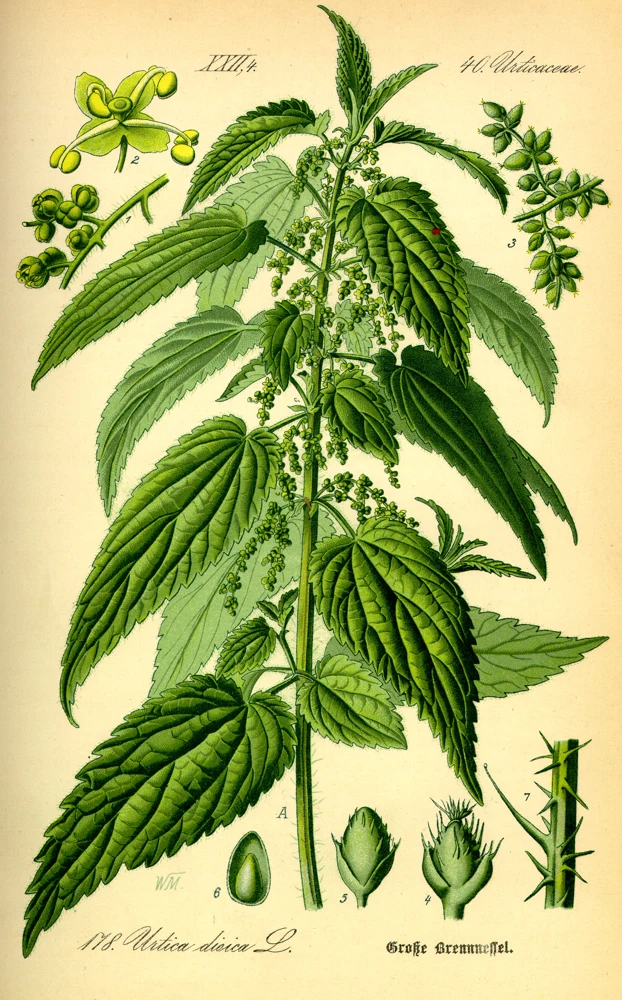
Illustration: No machine-readable author provided. MPF assumed (based on copyright claims). · CC BY 2.5. View the original image and its licence. Image resized and converted to WebP.
A TOUCH OF SOLÉA
Myriam’s tip
Myriam is reviewing the tip for this profile.
Myriam