BOTANICAL IDENTITY
The right name is the first step.
Also known as: Devil's claw, Devil’s claw
The dossier also covers Harpagophytum zeyheri; comparing extracts requires their exact composition.
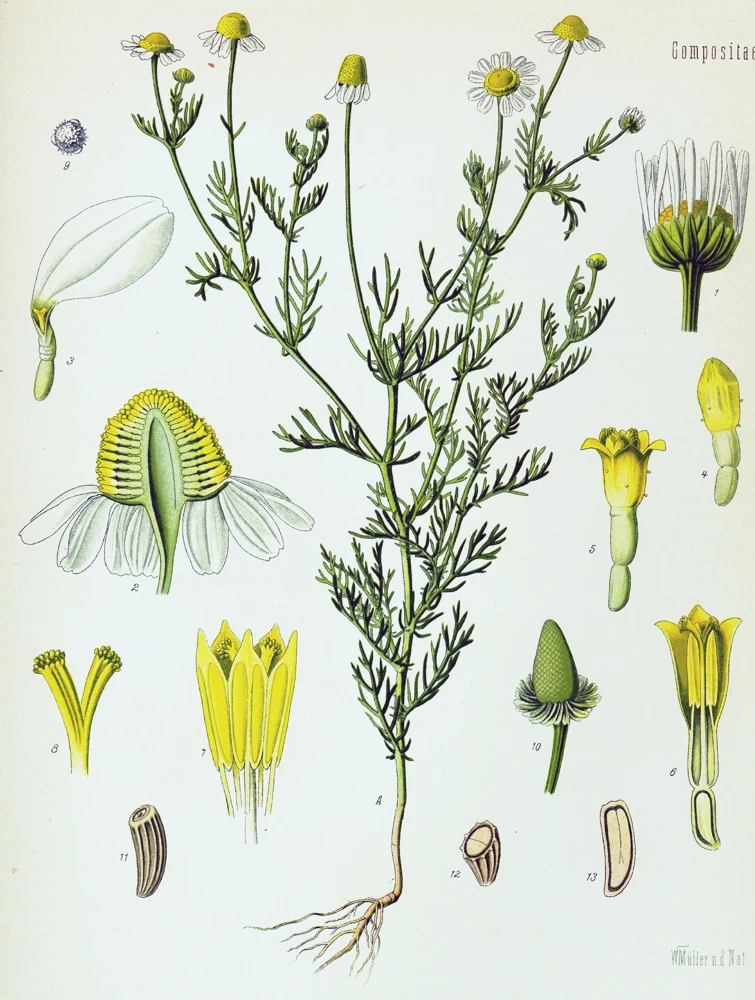
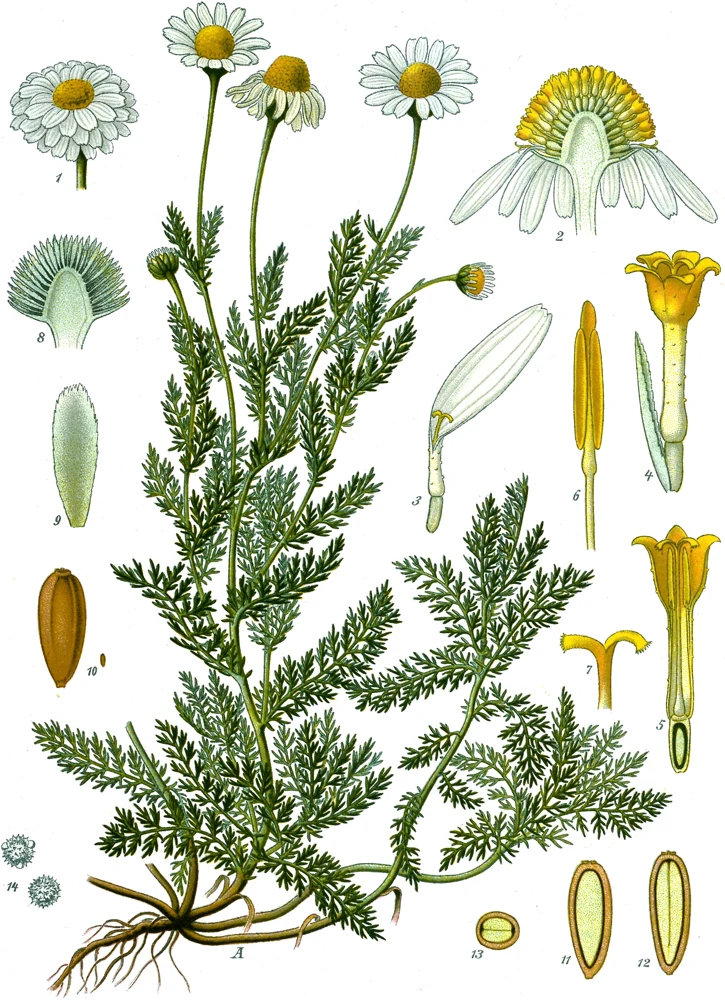
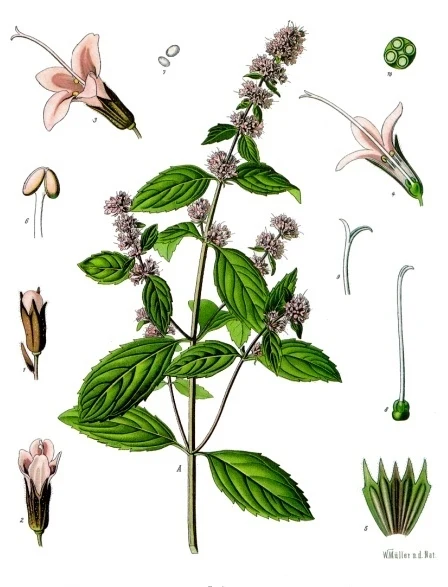
An illustration is not enough to identify a plant for consumption. Do not forage for a species based solely on this profile.
01 · UNDERSTAND
Properties & uses.
Minor joint pain
Traditional use; clinical studies are insufficient to establish general effectiveness.
Read the sourceDigestion and appetite
Traditional use for bloating and temporary loss of appetite.
Read the sourceThe traditional uses described are not clinical proof of effectiveness. Evidence for one preparation cannot automatically be applied to another.
02 · UNDERSTAND THE ACTION
How does the plant act?
Devil's claw has mainly been studied for musculoskeletal pain, but products differ: secondary root powder and extracts are not the same intervention. European recognition remains traditional for minor joint pain and certain digestive complaints. Human trials exist; their existence is a reason to describe the preparations and limitations precisely, rather than promise a universal anti-inflammatory effect.
Constituents to know.
Their presence and quantity depend on the plant part and preparation.
- Harpagoside
- A marker of the WS 1531 extract used in a clinical trial; comparable content is not enough to make two extraction processes equivalent.Read the reference
Minor joint pain
Traditional symptomatic use. Possible pain relief does not prove cartilage protection or that osteoarthritis is halted.
Read the referenceAppetite and digestion
Root preparations also have a traditional use for temporary loss of appetite, flatulence and bloating. These indications do not derive from trials on back pain.
Read the referenceWhat this means for preparation.
To understand a study, note the extract, solvent and root part, not just “devil's claw.” An identical plant name is not enough to extrapolate results.
03 · EXAMINE THE EVIDENCE
What the research shows.
A laboratory or animal result alone does not demonstrate a benefit in humans. Each result must be read alongside the preparation studied and its limitations.
A trial on flare-ups of low back pain
- Type of research
- Randomized, double-blind, placebo-controlled trial; 197 patients, four weeks.
- Preparation concerned
- Oral WS 1531 extract, two controlled exposure levels with harpagoside as a marker.
- Observed results
- Three patients receiving placebo, six in one extract group and ten in the other were pain-free and required no rescue medication on five days of the final week.
- Limitations to consider
- This endpoint suggested a favourable signal, but secondary analyses gave a less consistent picture. A short-term result specific to an extract and a flare-up of low back pain.
What can we take from this?
Short trials cannot establish equivalence to an anti-inflammatory medicine, a cure for osteoarthritis or a lasting effect. Digestive and biliary precautions remain relevant.
Documentary review dated 09/10/2026. The references remain available to check the context.
04 · CHOOSE A PREPARATION
One plant, several preparations.
Only forms documented in this profile’s sources are presented.
Herbal tea or powderTuberous secondary roots · Route: oral
Fragmented or powdered root.
Please note: Follow the product's package leaflet; preparations are not interchangeable.
Read the sourceExtractTuberous secondary roots · Route: oral
Documented liquid, soft or dry extracts.
Please note: Follow the product's package leaflet; preparations are not interchangeable.
Read the source05 · BEFORE ANY USE
Precautions & contraindications.
This guidance does not cover every individual situation. Missing information is not a guarantee of safety.
Contraindications
- Allergy to the plant.
- Gastroduodenal ulcer: do not use. Gallstones: seek medical advice beforehand.
Medicine interactions
- No established interaction is included in this entry; this does not guarantee compatibility with a treatment.
Adverse effects
- Diarrhea, nausea, abdominal pain, headache, dizziness and allergies have been reported.
Pregnancy & breastfeeding
Pregnancy and breastfeeding: medicinal use is not recommended because of insufficient data.
Children & adolescents
For adults only in this leaflet; insufficient pediatric data.
If symptoms persist, worsen or are unusual, consult a healthcare professional. In an emergency, contact the emergency services.
06 · PUTTING KNOWLEDGE INTO PRACTICE
Preparations & recipes.
No home recipe is provided in this profile. For an appropriate preparation, refer to the product leaflet and ask your pharmacist for advice.
07 · CHECK THE SOURCES
Sources for this profile.
- EMA — Harpagophyti radix: assessment and documentsAccessed on 09/10/2026
- ANSES — summary of precautions for food supplements (June 2023)Accessed on 09/10/2026
- Chrubasik et al., 1999 — WS 1531 extract in flare-ups of low back pain, randomised trialAccessed on 09/10/2026
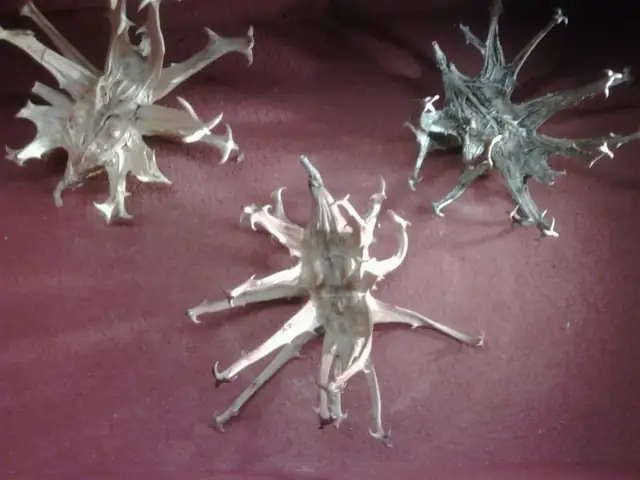
Illustration: Furukama · CC BY-SA 3.0. View the original image and its licence. Image resized and converted to WebP.
A TOUCH OF SOLÉA
Myriam’s tip
Myriam is reviewing the tip for this profile.
Myriam