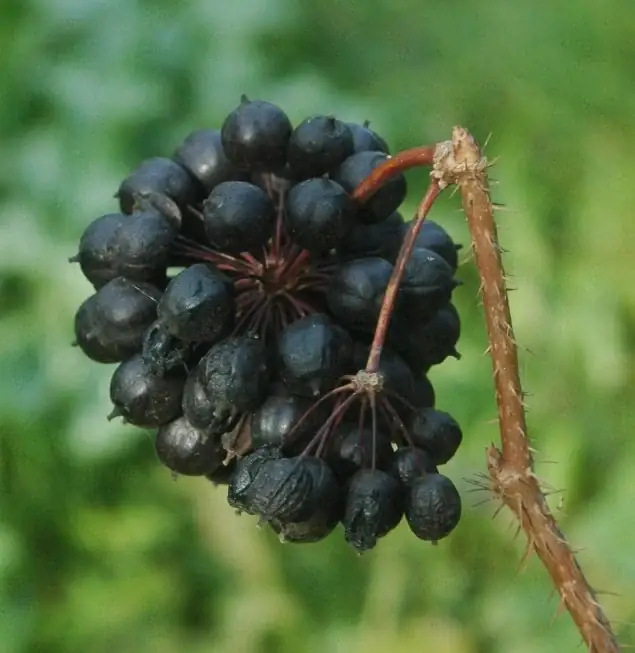
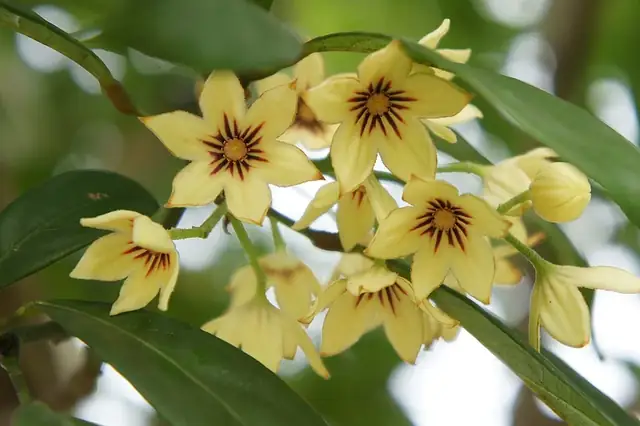
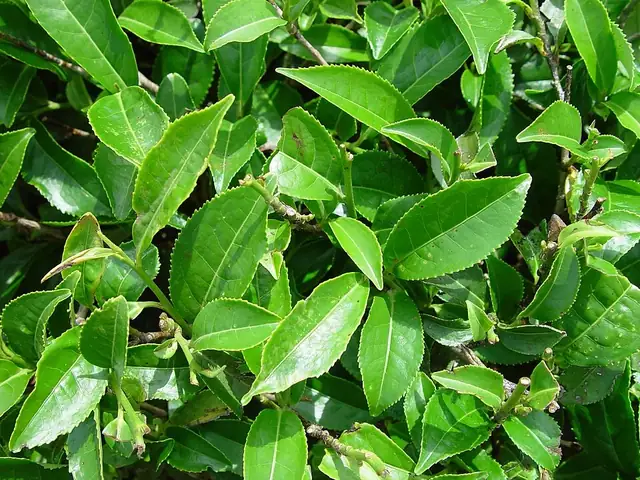
BOTANICAL IDENTITY
The right name is the first step.
Also known as: Kola nut
A common name and photograph do not guarantee identification. Check the botanical name and part indicated on a traceable product.
An illustration is not enough to identify a plant for consumption. Do not forage for a species based solely on this profile.
01 · UNDERSTAND
Properties & uses.
Temporary fatigue
Traditional use of caffeinated seeds; does not address the causes of persistent fatigue.
Read the sourceThe traditional uses described are not clinical proof of effectiveness. Evidence for one preparation cannot automatically be applied to another.
02 · UNDERSTAND THE ACTION
How does the plant act?
Kola is a caffeinated seed: its stimulant action is not a mysterious form of “vitality”. The traditional framework concerns temporary fatigue. It does not demonstrate correction of a deficiency, lack of sleep or a disease causing fatigue. C. acuminata shares the European dossier with C. nitida, but not every study distinguishes the two.
Constituents to know.
Their presence and quantity depend on the plant part and preparation.
- Caffeine and other constituents
- Caffeine is a major pharmacological reference point. Content varies with the material and its preparation; the seeds also contain polyphenols.Read the reference
Stimulation of the nervous system
Caffeine's antagonism of adenosine receptors provides an explanation for increased alertness. This molecular mechanism does not prove all benefits attributed to the whole seed.
Read the referenceWhat this means for preparation.
Consider all other caffeine sources, including coffee, tea and energy drinks. A natural seed remains a source of stimulant.
03 · EXAMINE THE EVIDENCE
What the research shows.
A laboratory or animal result alone does not demonstrate a benefit in humans. Each result must be read alongside the preparation studied and its limitations.
Known mechanism, traditional indication
- Type of research
- EMA assessment of caffeine and seeds
- Preparation concerned
- Kola preparations; many types of research, including studies on C. nitida.
- Observed results
- The caffeine content makes use for temporary fatigue plausible.
- Limitations to consider
- No distinct clinical effect of C. acuminata is quantified here; the medical uses of a purified methylxanthine cannot be transferred to kola.
What can we take from this?
Increased alertness does not mean physiological recovery. This profile does not support weight-loss, sexual or antidepressant promises.
Documentary review dated 09/10/2026. The references remain available to check the context.
04 · CHOOSE A PREPARATION
One plant, several preparations.
Only forms documented in this profile’s sources are presented.
Powder in capsulesSeeds · Route: oral
Preparation described in the shared monograph.
Please note: Follow the product's package leaflet; concentrations are not interchangeable.
Read the sourceTinctureSeeds · Route: oral
Preparation described in the shared monograph.
Please note: Caffeine and alcohol; avoid combining with other stimulants.
Read the source05 · BEFORE ANY USE
Precautions & contraindications.
This guidance does not cover every individual situation. Missing information is not a guarantee of safety.
Contraindications
- Ulcers, hypertension, heart rhythm disorders or hyperthyroidism: avoid without medical advice.
Medicine interactions
- Possible interactions with sedatives, sympathomimetics and MAOIs: check medications.
Adverse effects
- Insomnia, agitation, palpitations or gastric discomfort possible.
Pregnancy & breastfeeding
Avoid concentrated uses during pregnancy and breastfeeding.
Children & adolescents
Medicinal use is not recommended under 18 years; insufficient data.
If symptoms persist, worsen or are unusual, consult a healthcare professional. In an emergency, contact the emergency services.
06 · PUTTING KNOWLEDGE INTO PRACTICE
Preparations & recipes.
No home recipe is provided in this profile. For an appropriate preparation, refer to the product leaflet and ask your pharmacist for advice.
07 · CHECK THE SOURCES
Sources for this profile.
- EMA — colae semenAccessed on 09/10/2026
- EMA — assessment of kola seedsAccessed on 09/10/2026
A TOUCH OF SOLÉA
Myriam’s tip
Myriam is reviewing the tip for this profile.
Myriam