BOTANICAL IDENTITY
The right name is the first step.
Also known as: No synonyms listed.
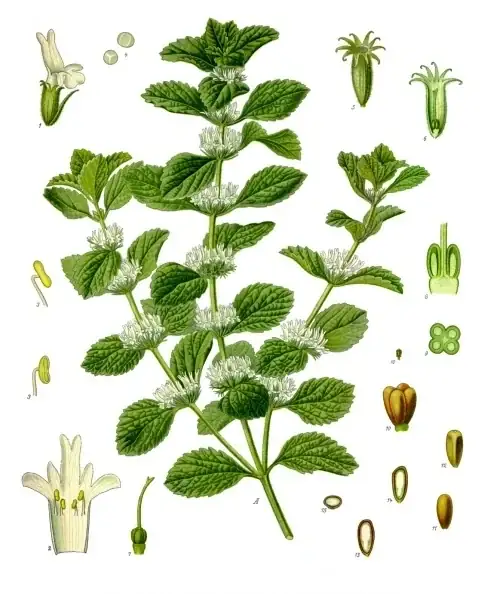
Do not confuse with Ballota, sometimes called black horehound.
An illustration is not enough to identify a plant for consumption. Do not forage for a species based solely on this profile.
01 · UNDERSTAND
Properties & uses.
Digestion and appetite
Traditional use for bloating and temporary loss of appetite.
Read the sourceThe traditional uses described are not clinical proof of effectiveness. Evidence for one preparation cannot automatically be applied to another.
02 · UNDERSTAND THE ACTION
How does the plant act?
White horehound has three distinct traditional uses: aiding expectoration during a cold, supporting certain mild digestive problems and temporary loss of appetite. This does not mean it treats the causes of all these complaints. A human study also explored blood glucose with a leaf preparation, but its results do not establish an antidiabetic indication. The aerial parts in the traditional dossier and the leaf extract in this study are not automatically interchangeable.
Expectoration during a cold
Traditional use concerns a cough associated with a cold and ease of clearing secretions; it does not demonstrate antiviral action.
Read the referenceDigestion and appetite
Bloating, flatulence and temporary loss of appetite fall within the traditional scope. This history alone does not establish a precise mechanism in humans.
Read the referenceWhat this means for preparation.
To understand a reference, check whether it studies leaves alone, aerial parts or a particular extract. Results for Cecropia cited in the same publication must never be attributed to horehound.
03 · EXAMINE THE EVIDENCE
What the research shows.
A laboratory or animal result alone does not demonstrate a benefit in humans. Each result must be read alongside the preparation studied and its limitations.
Blood glucose: a research lead that is not an indication
- Type of research
- Trial published in 2004 involving 43 patients in total and two plants studied, Cecropia obtusifolia and Marrubium vulgare.
- Preparation concerned
- Aqueous horehound leaf extract in people with inadequately controlled type 2 diabetes.
- Observed results
- For horehound, the summary reports a very small mean change in blood glucose, of 0.64%.
- Limitations to consider
- Not all 43 participants received horehound. This result demonstrates neither lasting control of diabetes nor a replacement for prescribed treatments.
What can we take from this?
No constituent is presented as a proven active ingredient without verified characterization of the preparation. The diabetes study does not change the scope of traditional digestive and respiratory uses.
Documentary review dated 09/10/2026. The references remain available to check the context.
04 · CHOOSE A PREPARATION
One plant, several preparations.
Only forms documented in this profile’s sources are presented.
InfusionAerial parts · Route: oral
Cut aerial parts.
Please note: Follow the product's package leaflet; preparations are not interchangeable.
Read the sourcePowder or extractAerial parts · Route: oral
Documented powder, liquid extract or juice.
Please note: Follow the product's package leaflet; preparations are not interchangeable.
Read the source05 · BEFORE ANY USE
Precautions & contraindications.
This guidance does not cover every individual situation. Missing information is not a guarantee of safety.
Contraindications
- Allergy to the plant.
- Avoid in cases of ulcer or biliary obstruction; gallstones: seek medical advice.
Medicine interactions
- No established interaction is included in this entry; this does not guarantee compatibility with a treatment.
Adverse effects
- Adverse effects insufficiently documented in the sources used here.
Pregnancy & breastfeeding
Pregnancy and breastfeeding: medicinal use is not recommended because of insufficient data.
Children & adolescents
Not recommended under 12 years of age.
If symptoms persist, worsen or are unusual, consult a healthcare professional. In an emergency, contact the emergency services.
06 · PUTTING KNOWLEDGE INTO PRACTICE
Preparations & recipes.
A DOCUMENTED PREPARATION
White horehound infusion
Expectorant reference during a cold; the same infusion is also documented for mild bloating and temporary loss of appetite. Traditional use; robust clinical trials have not established this preparation’s efficacy.
Plant part: Dried aerial parts
Ingredients & quantities
- 1–2 g dried, cut Marrubium vulgare L. aerial parts
- 250 ml boiling drinking water
Preparation steps
- Weigh the identified, dried, cut plant part supplied for this use.
- Pour 250 ml boiling drinking water over the herb.
- Steep for 5–15 minutes: the EMA glossary’s general reference, as the monograph gives no specific duration. Follow the product leaflet first.
- Strain and allow to cool to a comfortable temperature before use.
Use: For adults aged 18+ in this collection. One preparation per dose, 3 times daily, giving 3–6 g daily. For digestive discomfort or appetite, the monograph specifies 30 minutes before a meal. Seek advice after one week for cough, or 2 weeks for digestive or appetite symptoms, earlier if worsening.
Storage: Prepare immediately before use. No storage period is established here; do not make a stock batch (EMA glossary, §4).
Before you start. Contraindicated with horehound or Lamiaceae allergy, bile-duct obstruction, cholangitis, liver disease or intestinal obstruction. Seek medical advice first with active peptic ulcer, gallstones or other biliary disease. Breathing difficulty or high fever needs medical advice without waiting a week. Use is not recommended during pregnancy or breastfeeding because data are insufficient.
07 · CHECK THE SOURCES
Sources for this profile.
- EMA — Marrubii herba: assessment and documentsAccessed on 09/10/2026
- ANSES — summary of precautions for food supplements (June 2023)Accessed on 09/10/2026
- Herrera-Arellano et al., 2004 — Trial of Cecropia obtusifolia and Marrubium vulgare on blood glucose and lipidsAccessed on 09/10/2026
- EMA — Marrubium vulgare L., herba: monograph, preparation and precautionsAccessed on 09/10/2026
- EMA — Glossary on herbal teas: general preparation method, §4Accessed on 09/10/2026
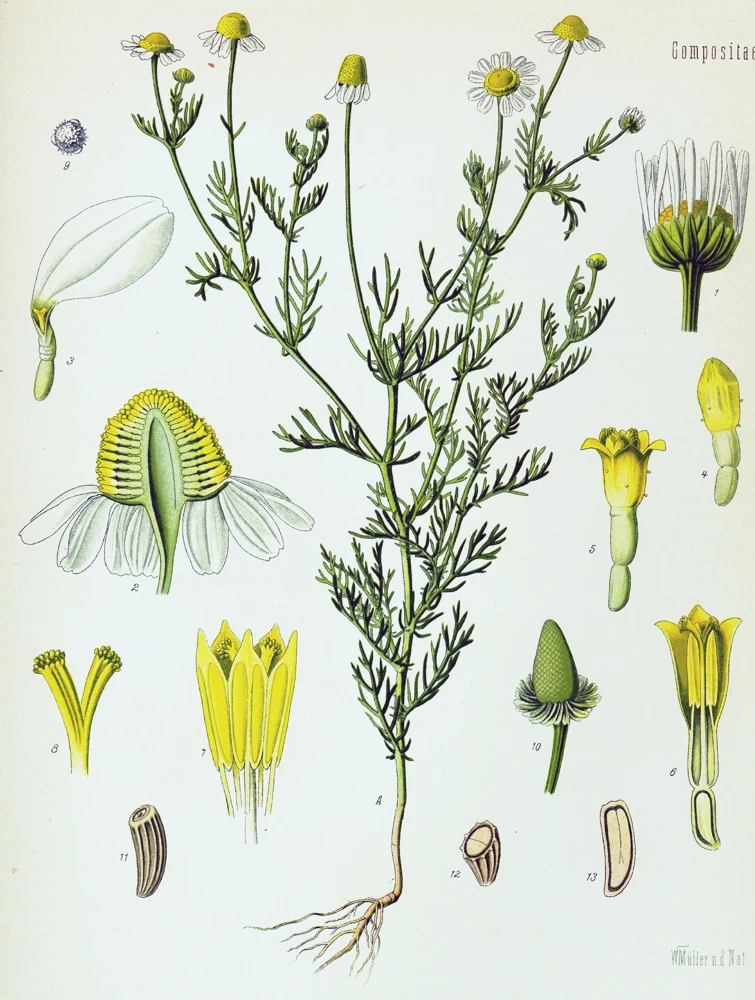
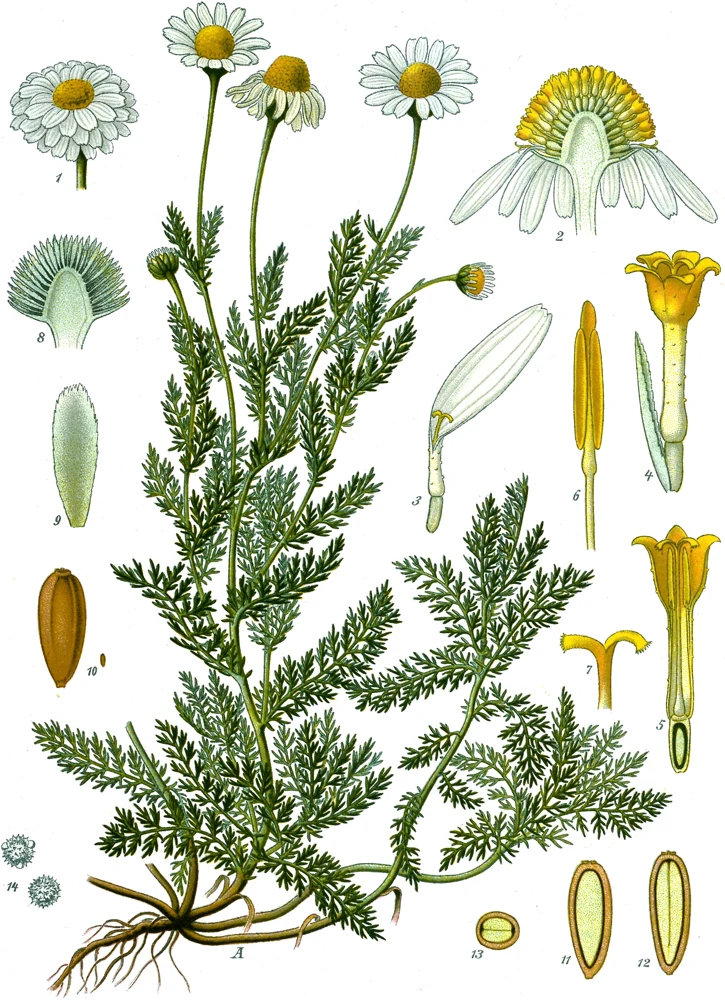
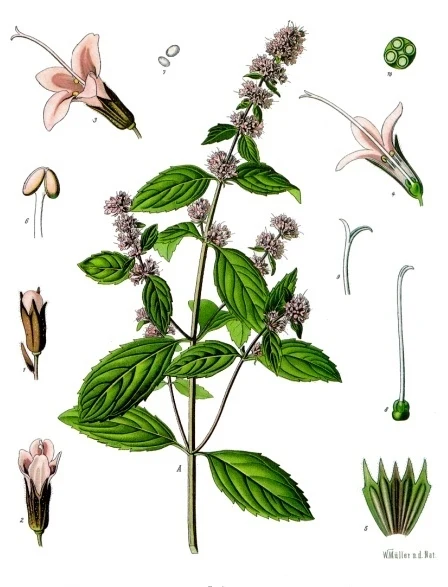
Illustration: Franz Eugen Köhler, Köhler's Medizinal-Pflanzen · Public domain. View the original image and its licence. Image resized and converted to WebP.
A TOUCH OF SOLÉA
Myriam’s tip
Myriam is reviewing the tip for this profile.
Myriam