BOTANICAL IDENTITY
The right name is the first step.
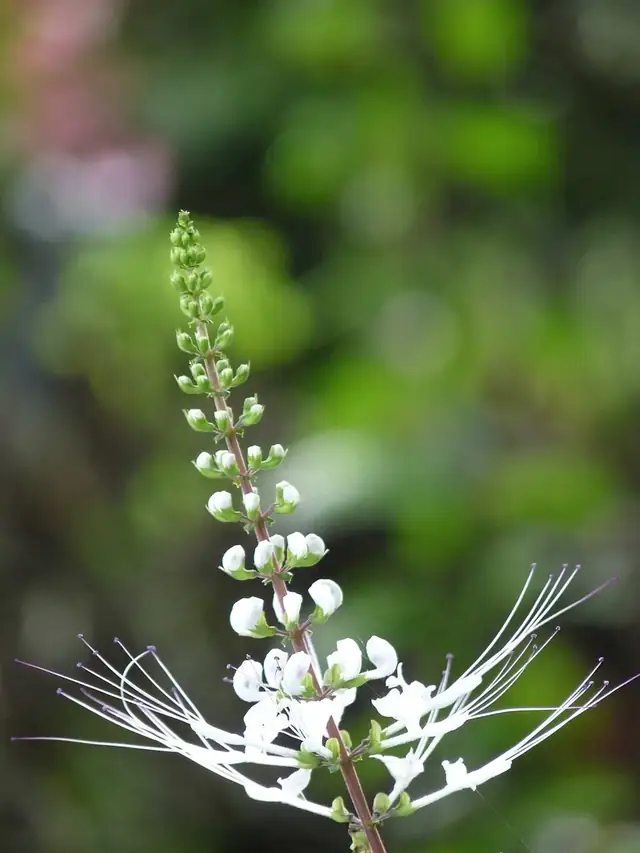
Also known as: Java tea, Cat’s whiskers, Orthosiphon stamineus
The dossier concerns Orthosiphon aristatus var. aristatus; the word “tea” does not refer to Camellia sinensis.
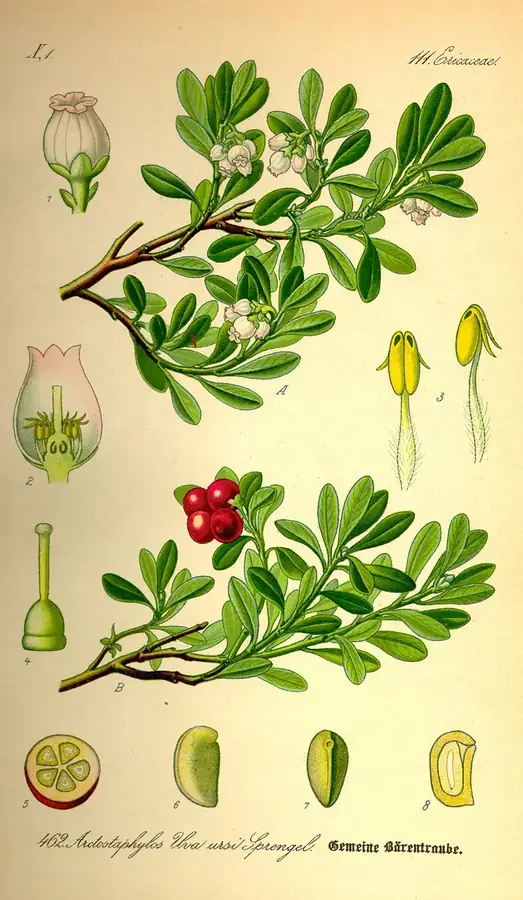
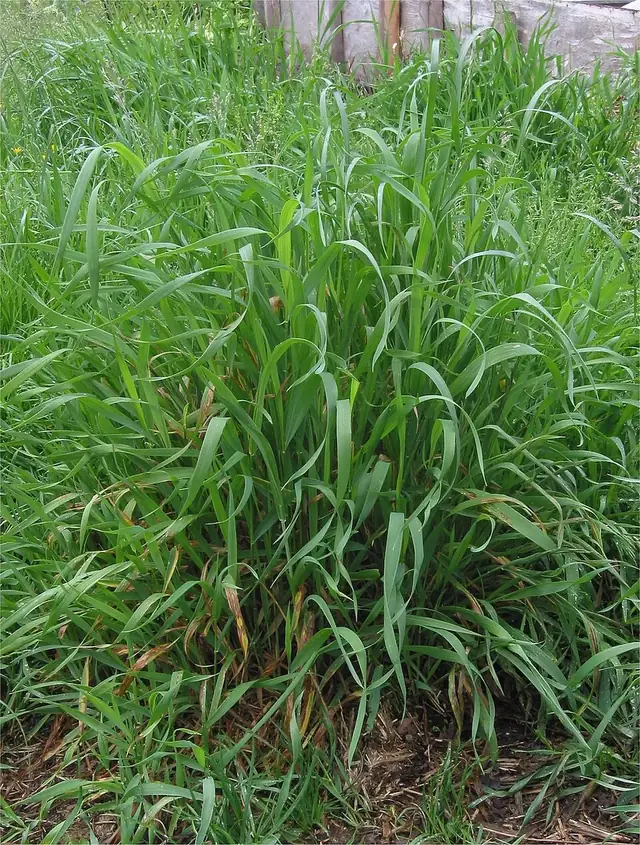
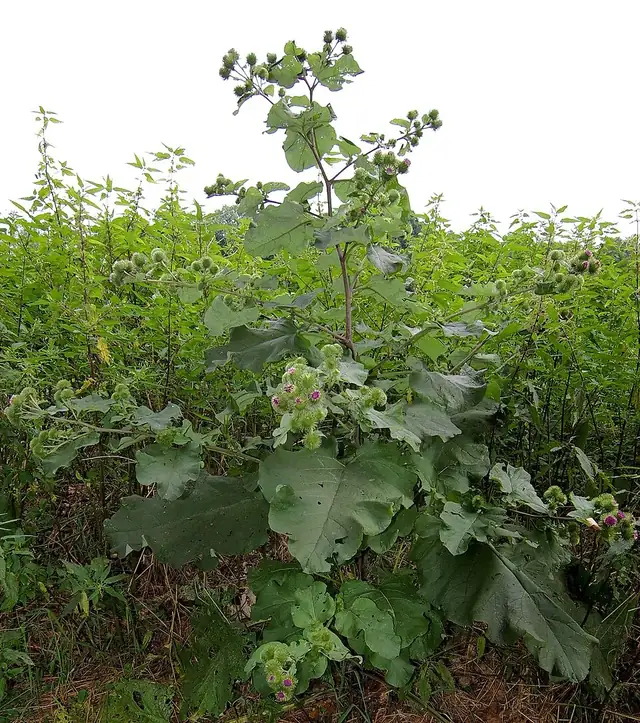
An illustration is not enough to identify a plant for consumption. Do not forage for a species based solely on this profile.
01 · UNDERSTAND
Properties & uses.
Urinary elimination
Traditional adjunctive use to increase urine output in minor urinary complaints.
Read the sourceThe traditional uses described are not clinical proof of effectiveness. Evidence for one preparation cannot automatically be applied to another.
02 · UNDERSTAND THE ACTION
How does the plant act?
Orthosiphon, or Java tea, is a good example of the difference between experimental plausibility and clinical benefit. The leaf has a traditional use to increase urine output in minor urinary complaints. Animal trials suggest activity, but human research is limited and sometimes negative. The European report therefore recognizes neither well-established medicinal use nor an indication for treating stones.
Traditional adjunctive urinary support
The aim is to increase urine output in minor complaints, with appropriate hydration. Medically required fluid restriction makes this framework inappropriate.
Read the referenceMechanism still uncertain
Experimental work does not allow therapeutic activity to be attributed to a defined constituent or the effect of an infusion to be predicted.
Read the referenceWhat this means for preparation.
Look for the leaf and type of preparation. The term “draining” indicates neither a quantity of water eliminated nor safety in cases of heart or kidney disease.
03 · EXAMINE THE EVIDENCE
What the research shows.
A laboratory or animal result alone does not demonstrate a benefit in humans. Each result must be read alongside the preparation studied and its limitations.
A controlled study with no measured effect on diuresis
- Type of research
- Double-blind, placebo-controlled crossover study in 40 healthy volunteers, examined by the EMA.
- Preparation concerned
- Decoction of orthosiphon leaves.
- Observed results
- No effect on urine volume at 12 or 24 hours, or on sodium excretion, was observed in this protocol.
- Limitations to consider
- A result in healthy volunteers does not describe all urinary situations, but contradicts the idea of consistently increased diuresis.
What can we take from this?
No valid clinical study in the report consulted supports recommending the plant to dissolve stones. Altering urinary pH is insufficient to demonstrate this benefit; monitoring a stone is a professional's responsibility.
Documentary review dated 09/10/2026. The references remain available to check the context.
04 · CHOOSE A PREPARATION
One plant, several preparations.
Only forms documented in this profile’s sources are presented.
InfusionLeaves · Route: oral
Cut leaves.
Please note: Follow the product's package leaflet; preparations are not interchangeable.
Read the sourcePowder or extractLeaves · Route: oral
Powder, defined aqueous or hydroalcoholic extracts.
Please note: Follow the product's package leaflet; preparations are not interchangeable.
Read the source05 · BEFORE ANY USE
Precautions & contraindications.
This guidance does not cover every individual situation. Missing information is not a guarantee of safety.
Contraindications
- Allergy to the plant.
- Do not use if fluid restriction is prescribed, particularly for severe heart or kidney disease.
Medicine interactions
- No established interaction is included in this entry; this does not guarantee compatibility with a treatment.
Adverse effects
- Adverse effects insufficiently documented in the sources used here.
Pregnancy & breastfeeding
Pregnancy and breastfeeding: medicinal use is not recommended because of insufficient data.
Children & adolescents
For adults only in this leaflet; insufficient pediatric data.
If symptoms persist, worsen or are unusual, consult a healthcare professional. In an emergency, contact the emergency services.
06 · PUTTING KNOWLEDGE INTO PRACTICE
Preparations & recipes.
No home recipe is provided in this profile. For an appropriate preparation, refer to the product leaflet and ask your pharmacist for advice.
07 · CHECK THE SOURCES
Sources for this profile.
- EMA — Orthosiphonis folium: assessment and documentsAccessed on 09/10/2026
- ANSES — summary of precautions for food supplements (June 2023)Accessed on 09/10/2026
- EMA — reference document consultedAccessed on 09/10/2026
- EMA — assessment report on Orthosiphon aristatus, leaf, revision 1Accessed on 09/10/2026
Illustration: Jeevan Jose, Kerala, India · CC BY-SA 4.0. View the original image and its licence. Image resized and converted to WebP.
A TOUCH OF SOLÉA
Myriam’s tip
Myriam is reviewing the tip for this profile.
Myriam