Identity & origin
BOTANICAL IDENTITY
The right name is the first step.
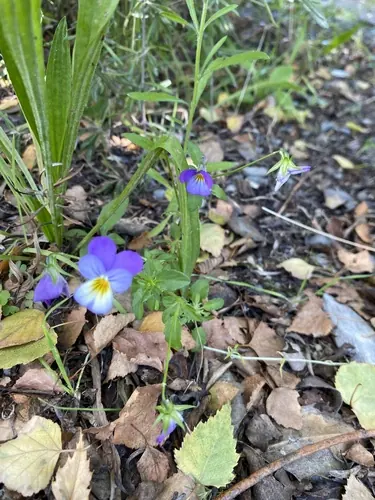
Wild pansy: information on flowering aerial parts, with uses and precautions specific to documented preparations.
Also known as: No synonyms listed.
The monograph also mentions Viola arvensis and Viola vulgaris.
An illustration is not enough to identify a plant for consumption. Do not forage for a species based solely on this profile.
Uses & evidence
UNDERSTANDING THE USES
Properties & uses.
Seborrheic skin
Flowering aerial parts: traditional oral or cutaneous use for mild seborrhoeic skin conditions, depending on preparation and age. Clinical evidence is insufficient.
Use considered plausible in a traditional-use monograph. That status alone does not demonstrate clinical efficacy.
Read the sourceThe traditional uses described are not clinical proof of effectiveness. Evidence for one preparation cannot automatically be applied to another.
Precautions before use
BEFORE ANY USE
Precautions & contraindications.
This guidance does not cover every individual situation. Missing information is not a guarantee of safety.
Contraindications & precautions
- Source-listed contraindicationPlant/salicylate allergy; cutaneous use: open wounds or extensively damaged skin.Source
- PrecautionAvoid hot baths with fever/infection, heart failure or hypertension.Source
- PrecautionG6PD deficiency: one childhood haemolysis case after oral use was reported; seek medical advice.Source
Medicine interactions
- No interaction reported in the sourceNo interactions reported in the monograph for these preparations; compatibility with every medicine is not established.Source
“Reported” does not prove causality; “possible” may reflect indirect evidence. “None reported” means none in the cited source, not that all combinations have been studied. Do not stop a prescribed treatment based on this profile.
Adverse effects
- A case of hemolysis after oral intake was reported in a child with G6PD deficiency; frequency unknown.
Pregnancy & breastfeeding
Not recommended during pregnancy or breastfeeding: insufficient safety data.
SourceChildren & adolescents
Oral use not recommended below 18; cutaneous use below 12, owing to insufficient data.
SourceIf symptoms persist, worsen or are unusual, consult a healthcare professional. In an emergency, contact the emergency services.
Forms & how they are used
DOCUMENTED FORMS
One plant, several preparations.
Only forms documented in this profile’s sources are presented.
InfusionFlowering aerial parts · Route: oral
External preparationFlowering aerial parts · Route: topical
Infusion for suitable applications.
Please note: No baths in cases of extensive wounds, febrile infection, heart failure or hypertension.
Read the sourcePreparations: ingredients & steps
DOCUMENTED PREPARATIONS
Preparations & recipes.
A DOCUMENTED PREPARATION
Wild-pansy compress — mildly seborrhoeic skin
Traditional use for mild seborrhoeic skin conditions, after the problem has been identified.
Plant part: Dried flowering aerial parts of Viola tricolor L.
Ingredients & quantities
- 5–20 g dried flowering aerial parts per litre of water; concentration as directed by the leaflet.
- 1 litre boiling water; clean dressings.
Preparation steps
- Pour boiling water over the herb.
- Steep for 5–15 minutes and strain: the EMA glossary’s general method when no specific time is stated; the product leaflet takes priority.
- Allow to cool; moisten a clean dressing.
Use: Apply locally two or three times daily. Seek advice if the condition worsens, or if symptoms persist beyond four weeks.
Storage: Prepare immediately before use; no shelf life for the prepared liquid is established here. Follow the dried-herb packaging and expiry date.
Before you start. Adults only. Contraindicated with allergy to the plant. Not recommended during pregnancy/breastfeeding because data are insufficient. Stop if a reaction occurs. No reported interaction does not guarantee compatibility with all medicines. Also exclude salicylate allergy. Do not apply to open wounds or large areas of damaged skin. External preparation: do not drink or put in the eyes.
A DOCUMENTED PREPARATION
Wild pansy — infusion to add to a bath
Traditional preparation for mild seborrhoeic skin conditions.
Plant part: Dried flowering aerial parts of Viola tricolor L.
Ingredients & quantities
- 5–10 g dried Viola tricolor L. flowering aerial parts.
- 1 litre boiling water to prepare the infusion added to the bath.
Preparation steps
- Prepare the infusion using one litre of water.
- Steep for 5–15 minutes and strain: the EMA glossary’s general method when no specific time is stated; the product leaflet takes priority.
- Strain thoroughly and add this litre of infusion to the bath. Do not use 5–10 g for every litre of the entire bath.
Use: The monograph specifies adding one litre of infusion, but no bath frequency or duration: follow the product leaflet or seek advice. Consult if worse or symptoms persist beyond four weeks.
Storage: Prepare immediately before use; no shelf life for the prepared liquid is established here. Follow the dried-herb packaging and expiry date.
Before you start. Adults only. Contraindicated with allergy to the plant. Not recommended during pregnancy/breastfeeding because data are insufficient. Stop if a reaction occurs. No reported interaction does not guarantee compatibility with all medicines. Exclude salicylate allergy, open wounds or large areas of damaged skin. Do not take hot baths with fever, infection, heart failure or hypertension. Do not drink.
Understanding the plant’s actions
EXPLORE THE EVIDENCE
How does the plant act?
Wild pansy is documented for its flowering aerial parts in a monograph that also includes related taxa. Its traditional European use concerns mild seborrheic skin conditions. This scope is narrower than the general promise of a “depurative” plant. Constituents have been studied, but their presence demonstrates neither detoxification of the body nor treatment of all skin diseases.
Constituents to know.
Their presence and quantity depend on the plant part and preparation.
- Flavonoids and mucilages
- The dossier describes several groups, including flavonoids; none is established as solely responsible for a clinical effect.Read the reference
Mild seborrhoeic skin conditions
Traditional use of defined preparations of the flowering parts; external application and oral administration are not interchangeable.
Use considered plausible in a traditional-use monograph. That status alone does not demonstrate clinical efficacy.
Read the referenceWhat this means for preparation.
The choice of preparation depends on the skin diagnosis and intended route. Allergy to salicylates is among the monograph's precautions; a bath also has different constraints from a small local application.
Studies, findings & limitations
THE RESEARCH
What the research shows.
A laboratory or animal result alone does not demonstrate a benefit in humans. Each result must be read alongside the preparation studied and its limitations.
A combination trial with a negative result
A human study may be positive, negative or inconclusive. Read the findings, preparation and limitations.
- Type of research
- Randomized double-blind trial against vehicle cream, 88 adults, four weeks, analyzed by the EMA.
- Preparation concerned
- Ointment combining alcoholic extracts of Viola tricolor, Mahonia aquifolium and Centella asiatica.
- Observed results
- The difference in improvement of atopic dermatitis was not statistically significant compared with the base cream.
- Limitations to consider
- A combination of three plants, a different skin condition and no trials of wild pansy alone: a specific benefit cannot be attributed to it.
What can we take from this?
The trial of an ointment for atopic dermatitis does not confirm the traditional seborrheic use and does not prove efficacy against acne. The shared monograph is not an independent study of each taxon.
Documentary review dated 09/10/2026. The references remain available to check the context.
Sources & last review
CHECKING REFERENCES
Sources for this profile.
- EMA — Violae herba cum flore: dossier and documentsAccessed on 09/10/2026
- EMA — Viola tricolor flowering aerial parts, final monographAccessed on 09/10/2026
- EMA — scientific assessment report: Viola tricolorAccessed on 09/10/2026
- EMA — Glossary on herbal teas, §4: freshly prepared infusionsAccessed on 09/10/2026
Image: jack12347 · CC0 1.0. View the original image and its licence. Image resized and converted to WebP.