BOTANICAL IDENTITY
The right name is the first step.
Also known as: No synonyms listed.
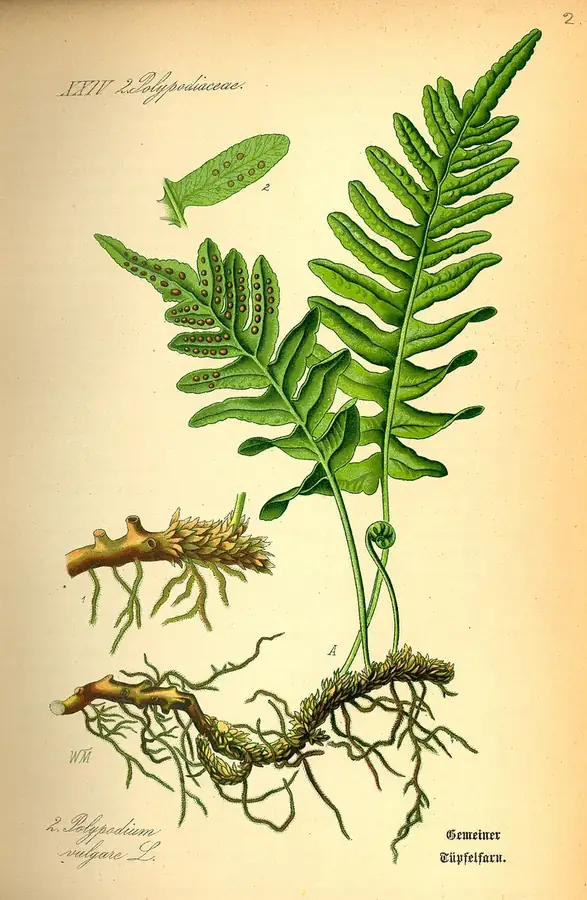
The botanical name and part used must match the profile; a photograph alone is not sufficient grounds for consuming a plant.
An illustration is not enough to identify a plant for consumption. Do not forage for a species based solely on this profile.
01 · UNDERSTAND
Properties & uses.
Occasional bowel support
Traditional short-term use for occasional constipation.
Read the sourceThe traditional uses described are not clinical proof of effectiveness. Evidence for one preparation cannot automatically be applied to another.
02 · UNDERSTAND THE ACTION
How does the plant act?
The rhizome of Polypodium vulgare has two quite different traditional uses: aiding expectoration during a cold and supporting occasional constipation. This diversity does not mean that all its actions are scientifically established. The EMA report particularly highlights longstanding use and the scarcity of work directly relevant to these indications. The sweet taste of the rhizome is not an indicator of efficacy or safety.
Constituents to know.
Their presence and quantity depend on the plant part and preparation.
- Osladin and other saponins
- Osladin contributes to the sweet taste of the rhizome; the earlier attribution of this taste to glycyrrhizin is not confirmed by the more recent data examined.Read the reference
Expectoration
Traditional use of the rhizome for cough associated with the common cold; no robust clinical demonstration of a change in bronchial secretions.
Read the referenceOccasional bowel support
Laxative use is traditional and time-limited; it does not constitute treatment for chronic constipation.
Read the referenceWhat this means for preparation.
Check the full name and the part “rhizome”. Do not choose a fern by its appearance or equate polypody with licorice because it tastes sweet.
03 · EXAMINE THE EVIDENCE
What the research shows.
A laboratory or animal result alone does not demonstrate a benefit in humans. Each result must be read alongside the preparation studied and its limitations.
Pharmacology with limited direct relevance
- Type of research
- EMA review of older in vitro and animal studies.
- Preparation concerned
- Various rhizome extracts, sometimes obtained with solvents other than water.
- Observed results
- Some experimental activities have been described, particularly in neural or viral models.
- Limitations to consider
- These studies do not adequately test the monograph's indications; no relevant clinical trial was available in the assessment.
What can we take from this?
Cell experiments do not allow inference of a therapeutic antiviral effect or a safe deworming action in humans.
Documentary review dated 09/10/2026. The references remain available to check the context.
04 · CHOOSE A PREPARATION
One plant, several preparations.
Only forms documented in this profile’s sources are presented.
Herbal teaRhizome · Route: oral
05 · BEFORE ANY USE
Precautions & contraindications.
This guidance does not cover every individual situation. Missing information is not a guarantee of safety.
Contraindications
- Allergy to polypody.
Medicine interactions
- None reported; individual compatibility should be checked.
Adverse effects
- A laxative effect may occur even when used for a cough.
Pregnancy & breastfeeding
Pregnancy and breastfeeding: medicinal use is not recommended due to insufficient data.
Children & adolescents
Not recommended under 12 years of age.
If symptoms persist, worsen or are unusual, consult a healthcare professional. In an emergency, contact the emergency services.
06 · PUTTING KNOWLEDGE INTO PRACTICE
Preparations & recipes.
No home recipe is provided in this profile. For an appropriate preparation, refer to the product leaflet and ask your pharmacist for advice.
07 · CHECK THE SOURCES
Sources for this profile.
- EMA — Polypodii rhizoma: dossier and documentsAccessed on 09/10/2026
- EMA — monograph: Polypodii rhizomaAccessed on 09/10/2026
- EMA — scientific assessment report: Polypodium vulgareAccessed on 09/10/2026
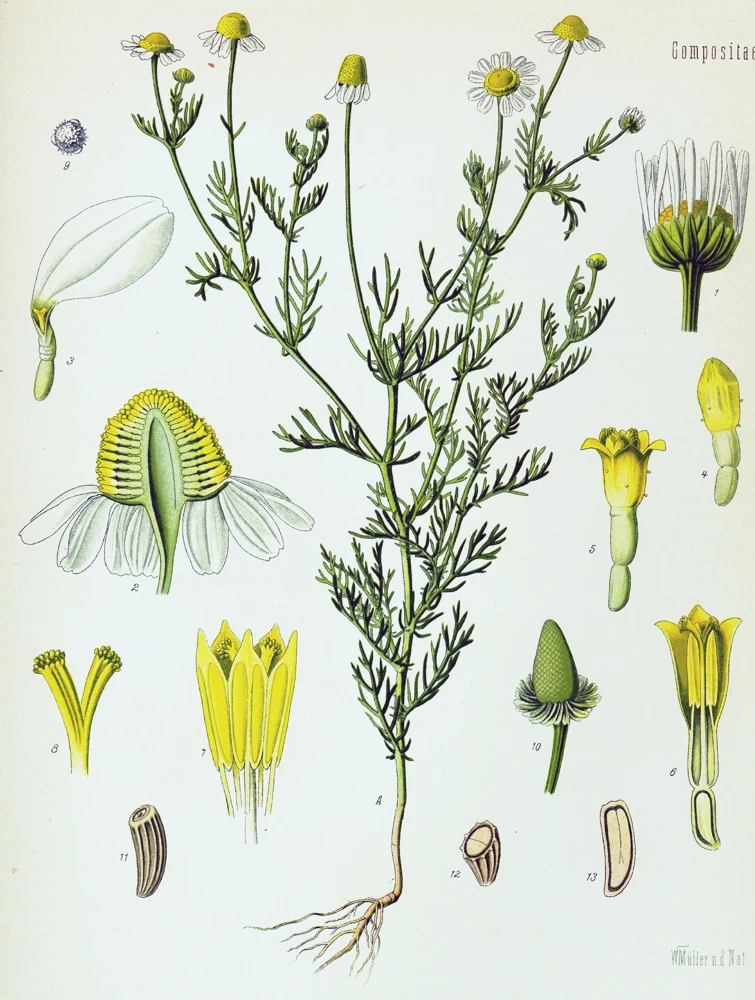
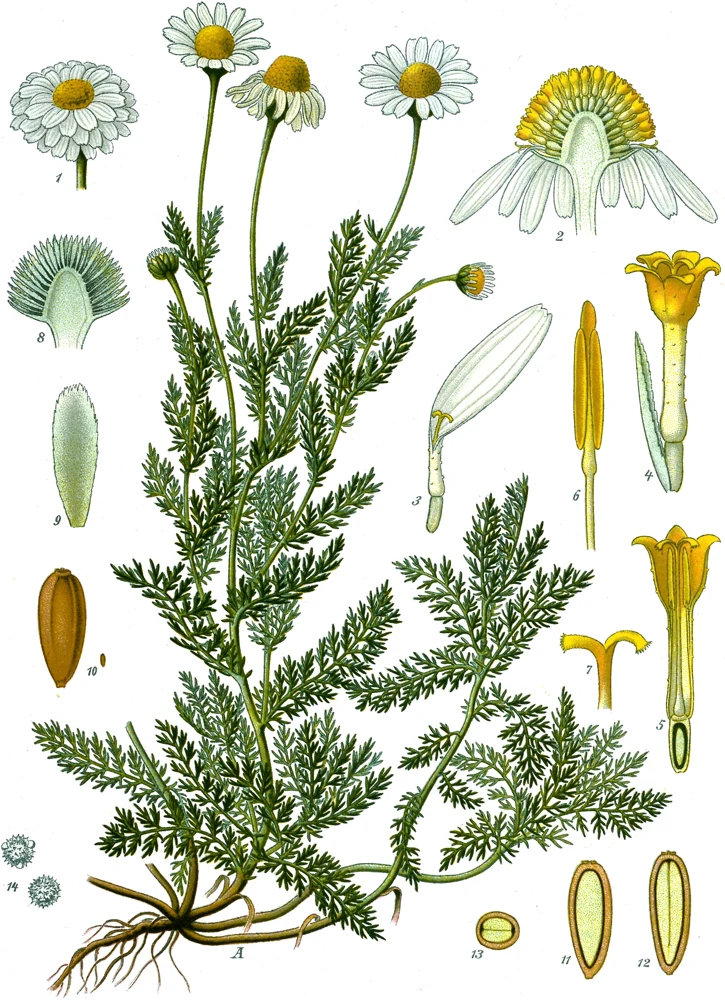
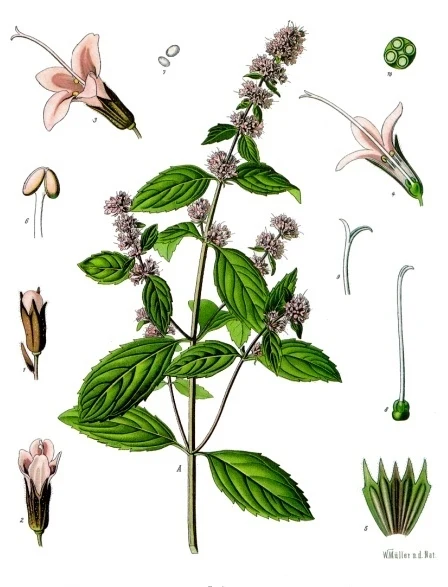
Illustration: Flora von Deutschland, Österreich und der Schweiz — Otto Wilhelm Thomé (1885), via Wikimedia Commons · Public domain. View the original image and its licence. Image resized and converted to WebP.
A TOUCH OF SOLÉA
Myriam’s tip
Myriam is reviewing the tip for this profile.
Myriam