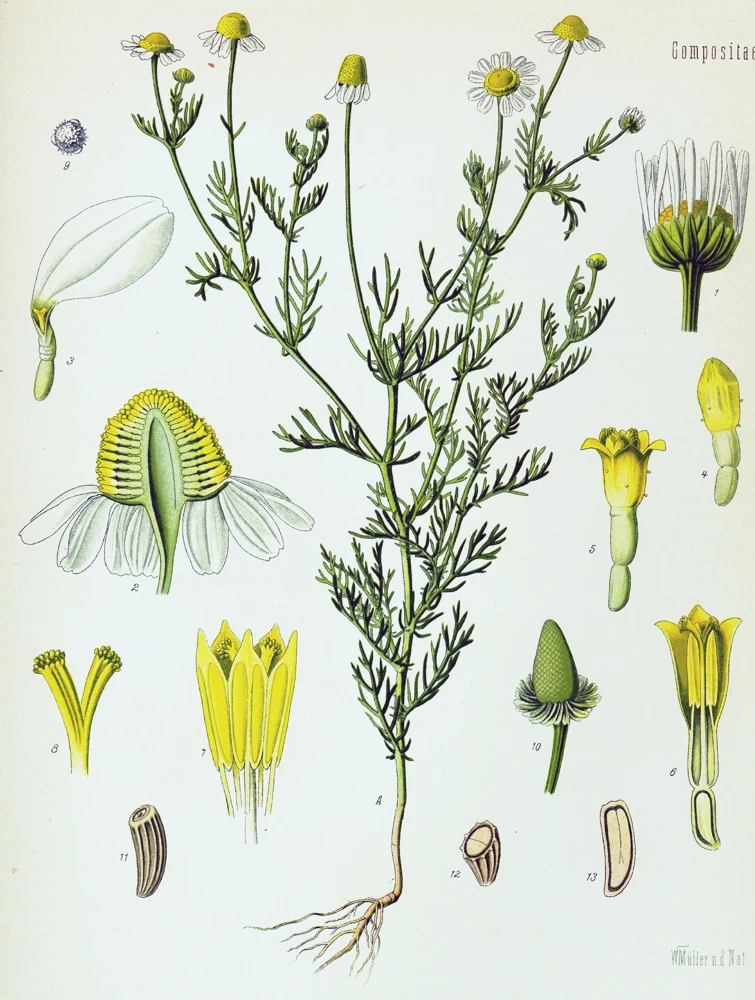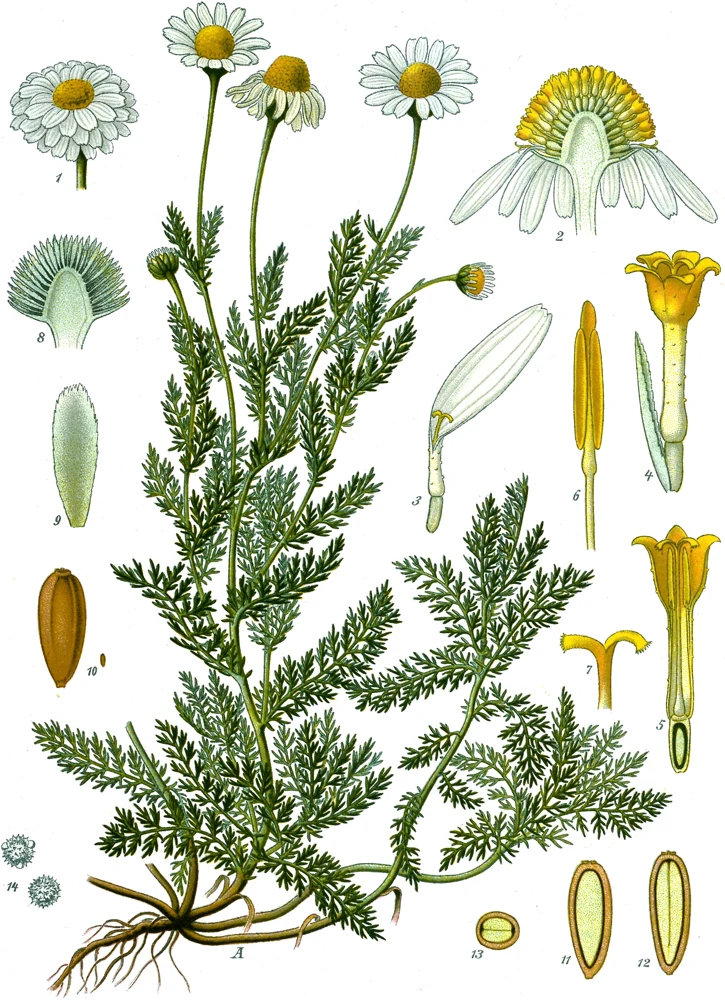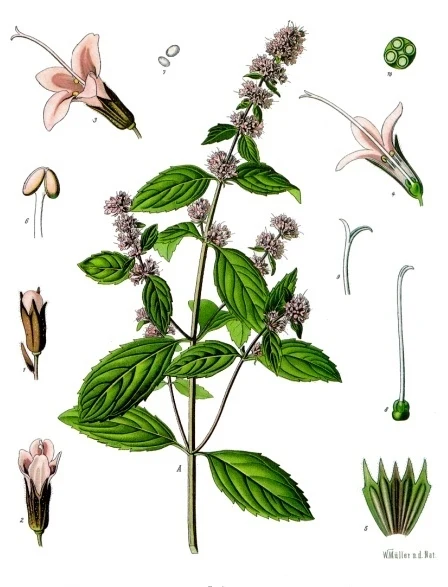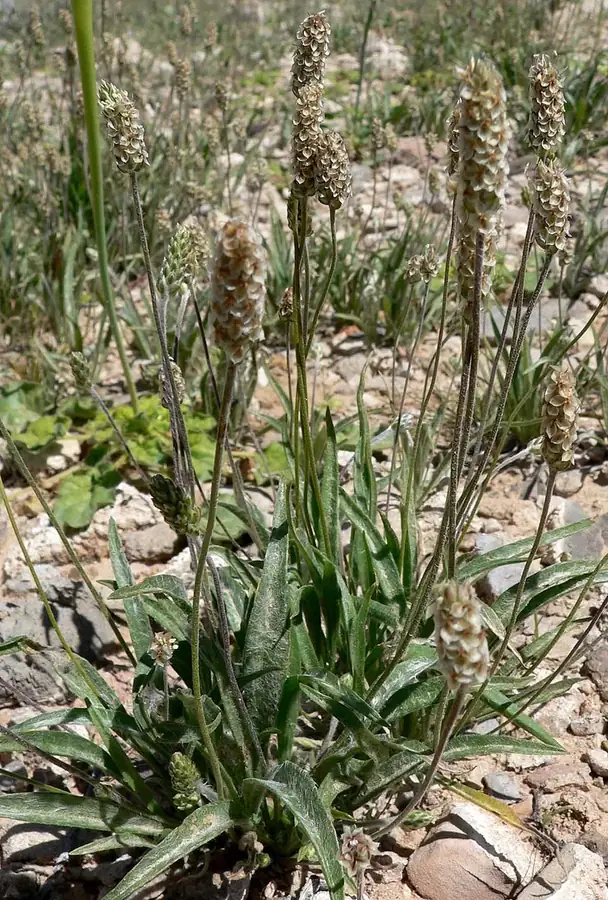
BOTANICAL IDENTITY
The right name is the first step.
Also known as: ispaghula, ispaghula, Plantago ispaghula
Do not confuse with Plantago lanceolata.
An illustration is not enough to identify a plant for consumption. Do not forage for a species based solely on this profile.
01 · UNDERSTAND
Properties & uses.
Bowel function — husks
Seed husks: clinical data support their effect on constipation and stool softening.
Read the sourceBowel transit — whole seeds
Well-established medicinal use (EMA), based in particular on extrapolation from husk studies; the evidence is not identical for the two preparations.
Read the sourceFiber intake — husks
An adjunct to diet in certain cases of hypercholesterolaemia, under medical supervision; this alone does not demonstrate prevention of a cardiovascular event.
Read the sourceThe traditional uses described are not clinical proof of effectiveness. Evidence for one preparation cannot automatically be applied to another.
02 · UNDERSTAND THE ACTION
How does the plant act?
Blond psyllium acts mainly physically in the digestive tract. The seed husks retain water and form a gel that changes stool consistency. This mechanism explains both their value in constipation and the imperative need for adequate fluid intake. Data on the husk should not automatically be attributed to the whole seed, particularly for indications other than constipation.
Constituents to know.
Their presence and quantity depend on the plant part and preparation.
- Husk mucilages
- Hydrophilic fibers that swell; viscosity is important to the digestive action, more so than an active ingredient absorbed into the blood.Read the reference
Softening stools
The husks increase stool hydration and volume, making defecation easier; their clinical trials are distinct from the whole-seed dossier.
Read the referenceFiber intake and cholesterol
The husk has evidence as a dietary adjunct in some cases of hypercholesterolemia; this does not replace cardiovascular risk assessment.
Read the referenceWhole seed and constipation
The whole seed has well-established medicinal use. The EMA relies particularly on husk studies; this is not identical direct evidence for each of the two preparations.
Read the referenceWhat this means for preparation.
Identify “husk” or “whole seed” on the label. Swelling explains why swallowing powder dry or having a swallowing disorder creates a risk of obstruction. The gel may delay medicine absorption: spacing requirements depend on the products and must be checked.
03 · EXAMINE THE EVIDENCE
What the research shows.
A laboratory or animal result alone does not demonstrate a benefit in humans. Each result must be read alongside the preparation studied and its limitations.
Whole seed or husk?
- Type of research
- EMA assessment of trials and pharmacology.
- Preparation concerned
- Plantago ovata, separated husk; separate dossier for the whole seed.
- Observed results
- Trials support the laxative effects and some uses of the husk as soluble fiber.
- Limitations to consider
- EMA does not consider that all husk data prove the efficacy of the whole seed in irritable bowel syndrome.
What can we take from this?
A reduction in a lipid marker alone does not prove prevention of a heart attack; different fibres are not interchangeable.
Documentary review dated 09/10/2026. The references remain available to check the context.
04 · CHOOSE A PREPARATION
One plant, several preparations.
Only forms documented in this profile’s sources are presented.
Seed husksSeed / Seed husk · Route: oral
SeedsSeed / Seed husk · Route: oral
05 · BEFORE ANY USE
Precautions & contraindications.
This guidance does not cover every individual situation. Missing information is not a guarantee of safety.
Contraindications
- Allergy; difficulty swallowing; digestive tract narrowing or obstruction.
- Unexplained rectal bleeding, a recent persistent change in bowel habits or no bowel movement after a laxative.
Medicine interactions
- Take at a different time from medicines; absorption altered. Opioids, antidiabetic medicines and thyroid hormones: medical supervision.
Adverse effects
- Gas, distension; obstruction with insufficient water; allergy, sometimes severe.
Pregnancy & breastfeeding
May be considered if necessary, after dietary measures have failed and with professional advice.
Children & adolescents
Constipation: not under 6. Fiber intake: not under 12.
If symptoms persist, worsen or are unusual, consult a healthcare professional. In an emergency, contact the emergency services.
06 · PUTTING KNOWLEDGE INTO PRACTICE
Preparations & recipes.
No home recipe is provided in this profile. For an appropriate preparation, refer to the product leaflet and ask your pharmacist for advice.
07 · CHECK THE SOURCES
Sources for this profile.
- EMA — Plantaginis ovatae seminis tegumentum: dossier and documentsAccessed on 09/10/2026
- EMA — Monograph: Plantaginis ovatae seminis tegumentumAccessed on 09/10/2026
- EMA — Plantaginis ovatae semen: dossier and documentsAccessed on 09/10/2026
- EMA — monograph: Plantaginis ovatae semenAccessed on 09/10/2026
- ANSES — precautions for herbal supplements, June 2023 tableAccessed on 09/10/2026
- EMA — scientific assessment report: Plantago ovataAccessed on 09/10/2026
Illustration: Stan Shebs · CC BY-SA 3.0. View the original image and its licence. Image resized and converted to WebP.
A TOUCH OF SOLÉA
Myriam’s tip
Myriam is reviewing the tip for this profile.
Myriam