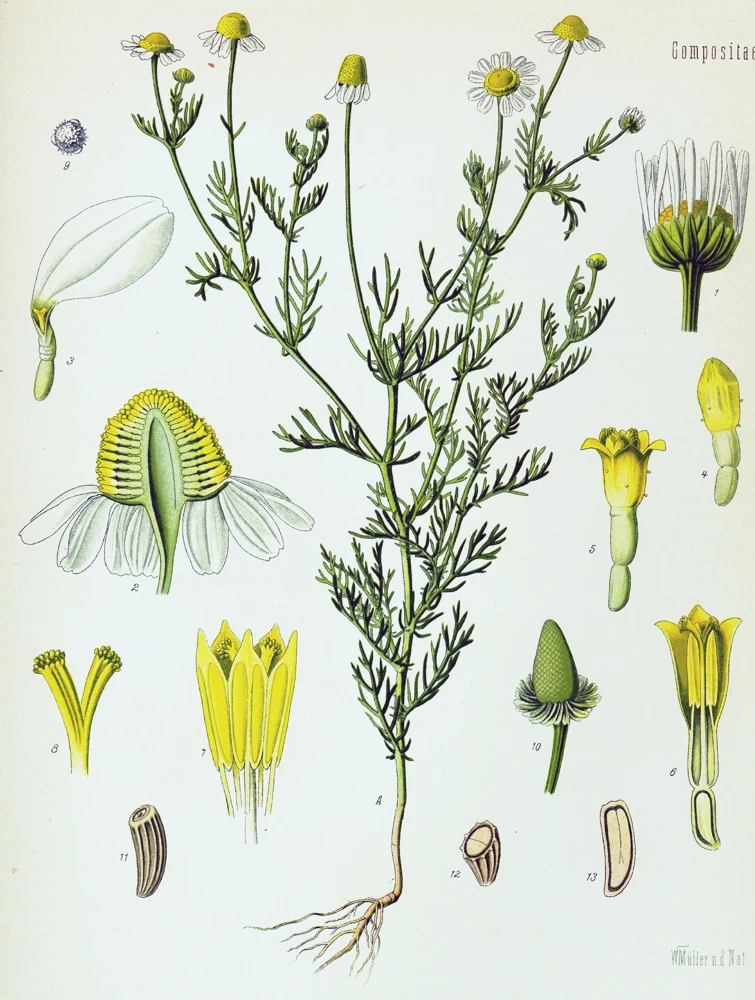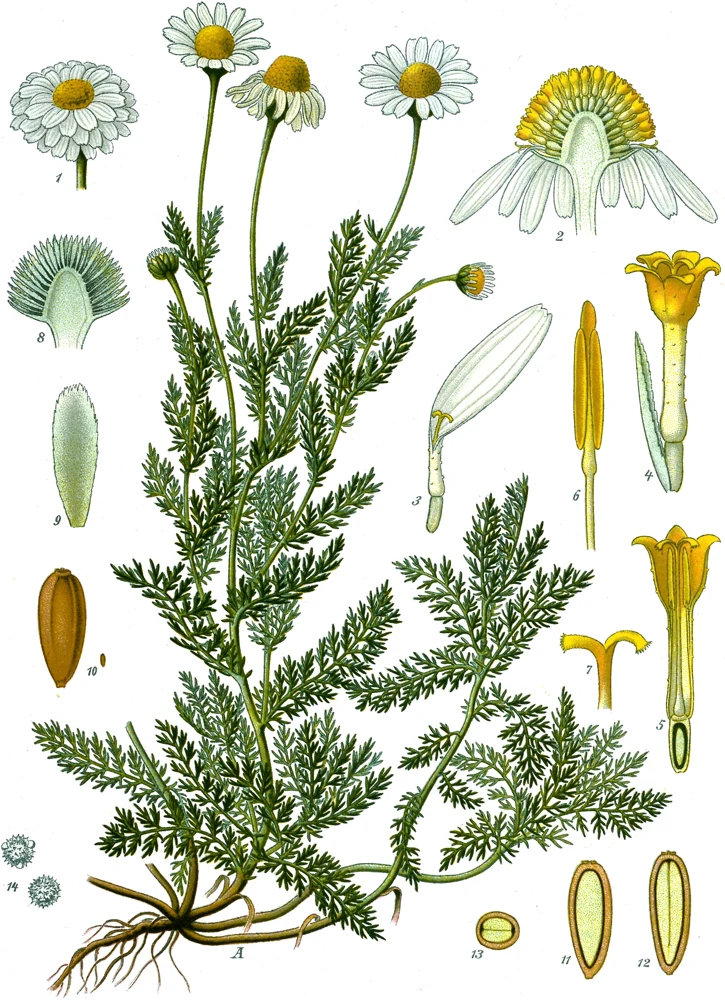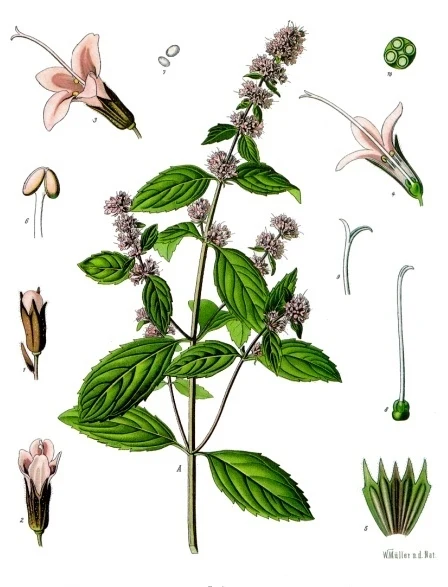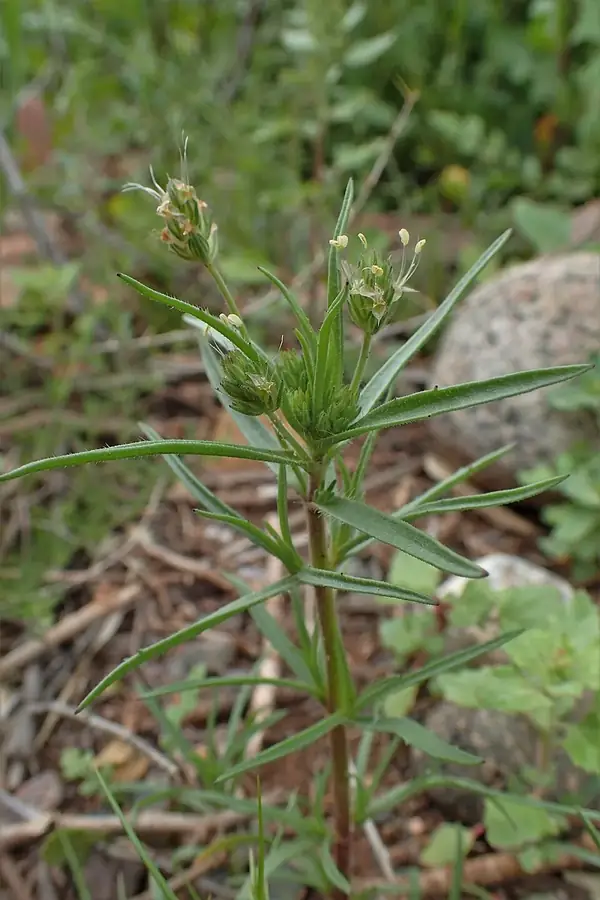
BOTANICAL IDENTITY
The right name is the first step.
Also known as: Brown psyllium
Plantago afra and Plantago indica are covered by the dossier; this is not ispaghula, Plantago ovata.
An illustration is not enough to identify a plant for consumption. Do not forage for a species based solely on this profile.
01 · UNDERSTAND
Properties & uses.
Habitual constipation and stool softening
Well-established medicinal use according to the EMA. Clinical support rests mainly on ispaghula seeds and husks (Plantago ovata), because of the similarity of constituents; these are not demonstrated direct trials specific to Plantago afra.
Read the sourceThe traditional uses described are not clinical proof of effectiveness. Evidence for one preparation cannot automatically be applied to another.
02 · UNDERSTAND THE ACTION
How does the plant act?
Black psyllium acts mainly as a bulking fiber: its mucilages retain water, swell and change stool consistency. EMA recognizes well-established medicinal use for habitual constipation and to facilitate the passage of softer stools. This status needs explanation: clinical support comes mainly from ispaghula, Plantago ovata, whose constituents are similar. These trials must not be presented as direct evidence specific to Plantago afra.
Constituents to know.
Their presence and quantity depend on the plant part and preparation.
- Polysaccharide mucilages
- Located in the seed coat, they bind water and form a swollen mass. The report distinguishes their swelling capacity from that of ispaghula husks.Read the reference
Bulk-forming laxative
The gel retains fluids in the intestinal contents; the increase in volume and softening contribute to stool passage. This is mainly a local physical action.
Read the referenceStool softening
Use is recognized when softer stools are desirable. The EMA specifies that this indication is inferred from the laxative effect, without specific data of its own.
Read the referenceWhat this means for preparation.
Liquid is essential to the mechanism and to safety. Difficulty swallowing, a narrowing of the digestive tract or taking it with too little water can make swelling dangerous; also avoid inhaling the powder.
03 · EXAMINE THE EVIDENCE
What the research shows.
A laboratory or animal result alone does not demonstrate a benefit in humans. Each result must be read alongside the preparation studied and its limitations.
Recognition based on explicitly described extrapolation
- Type of research
- EMA literature assessment; data largely derived from ispaghula seeds and husks.
- Preparation concerned
- Seeds of Plantago afra or P. indica in the monograph; trials often conducted with Plantago ovata or an insufficiently specified preparation.
- Observed results
- The similarity in mucilage and bulking properties supports well-established use.
- Limitations to consider
- The word psyllium is used ambiguously in some studies. No trial of a related species is directly attributed here to P. afra.
What can we take from this?
These data do not allow black psyllium to be promised the same metabolic effects as those sometimes studied for P. ovata husks. Rules for spacing use from other medicines must still be followed.
Documentary review dated 09/10/2026. The references remain available to check the context.
04 · CHOOSE A PREPARATION
One plant, several preparations.
Only forms documented in this profile’s sources are presented.
Whole seedsSeeds · Route: oral
Dried ripe seeds with sufficient liquid.
Please note: Never swallow dry or just before going to bed.
Read the sourcePowder preparationSeeds · Route: oral
Product made from powdered seeds.
Please note: Avoid inhaling the powder; follow its leaflet.
Read the source05 · BEFORE ANY USE
Precautions & contraindications.
This guidance does not cover every individual situation. Missing information is not a guarantee of safety.
Contraindications
- Swallowing disorder, digestive obstruction or narrowing, megacolon, unexplained rectal bleeding: do not use.
Medicine interactions
- Separate from medicines by at least one hour; delayed absorption is possible.
- With opioids or medicines that slow bowel transit: medical advice is essential.
Adverse effects
- Bloating, sometimes significant allergies; risk of obstruction.
Pregnancy & breastfeeding
The monograph permits use if dietary measures are insufficient, with professional advice; do not generalise to mixtures.
Children & adolescents
From age 6 with a suitable preparation and advice; not recommended below this age.
If symptoms persist, worsen or are unusual, consult a healthcare professional. In an emergency, contact the emergency services.
06 · PUTTING KNOWLEDGE INTO PRACTICE
Preparations & recipes.
No home recipe is provided in this profile. For an appropriate preparation, refer to the product leaflet and ask your pharmacist for advice.
07 · CHECK THE SOURCES
Sources for this profile.
- EMA — Psyllii semen: assessment and documentsAccessed on 09/10/2026
- ANSES — summary of precautions for food supplements (June 2023)Accessed on 09/10/2026
- EMA — assessment report on Plantago afra and Plantago indica, seedsAccessed on 09/10/2026
Illustration: Krzysztof Ziarnek, Kenraiz · CC BY-SA 4.0. View the original image and its licence. Image resized and converted to WebP.
A TOUCH OF SOLÉA
Myriam’s tip
Myriam is reviewing the tip for this profile.
Myriam