BOTANICAL IDENTITY
The right name is the first step.
Also known as: Tilia × vulgaris, Tilia x europaea
A common name and photograph do not guarantee identification. Check the botanical name and part indicated on a traceable product.
An illustration is not enough to identify a plant for consumption. Do not forage for a species based solely on this profile.
01 · UNDERSTAND
Properties & uses.
Mild stress and cold symptoms
Use of the monographed group; the source does not demonstrate a benefit specific to each species.
Read the sourceThe traditional uses described are not clinical proof of effectiveness. Evidence for one preparation cannot automatically be applied to another.
02 · UNDERSTAND THE ACTION
How does the plant act?
The medicinal linden in this profile refers to the inflorescences, not the sapwood or buds. The European framework concerns mild stress and cold symptoms. The hybrid taxon is included in the group under a historical name. Research on T. cordata or T. tomentosa does not constitute trials specific to this hybrid.
Constituents to know.
Their presence and quantity depend on the plant part and preparation.
- Mucilages and polyphenols
- The shared report describes these families; their presence is not enough to prove a sedative action in humans.Read the reference
Mild stress and the common cold
These are traditional uses; they do not demonstrate an anxiolytic mechanism specific to this species.
Read the referenceWhat this means for preparation.
Check the inflorescence with its bract and the taxon name. A bud extract requires its own data; it cannot automatically adopt this profile.
03 · EXAMINE THE EVIDENCE
What the research shows.
A laboratory or animal result alone does not demonstrate a benefit in humans. Each result must be read alongside the preparation studied and its limitations.
Limitations of frequently cited mechanisms
- Type of research
- EMA assessment of the Tilia species covered by monographs
- Preparation concerned
- Inflorescences of several taxa, with different preparations in the experiments.
- Observed results
- The recognized scope remains traditional.
- Limitations to consider
- Experiments on seeds, oil, buds or another species do not demonstrate the effect of this infusion.
What can we take from this?
Lime cannot be presented here as a treatment for chronic insomnia or pathological anxiety. No quantified effect specific to this taxon is established.
Documentary review dated 09/10/2026. The references remain available to check the context.
04 · CHOOSE A PREPARATION
One plant, several preparations.
Only forms documented in this profile’s sources are presented.
InfusionInflorescences · Route: oral
Preparation described in the shared monograph.
Please note: Follow the product's package leaflet; concentrations are not interchangeable.
Read the sourceLiquid extract or tinctureInflorescences · Route: oral
Preparation described in the shared monograph.
Please note: Alcohol-containing form: check product-specific restrictions.
Read the source05 · BEFORE ANY USE
Precautions & contraindications.
This guidance does not cover every individual situation. Missing information is not a guarantee of safety.
Contraindications
- Allergy to linden.
Medicine interactions
- The selected data do not allow compatibility with your treatments to be guaranteed. Ask a pharmacist to check.
Adverse effects
- Stop use if an unexpected reaction occurs; limited data do not mean absence of risk.
Pregnancy & breastfeeding
Pregnancy and breastfeeding: medicinal use is not recommended; insufficient data.
Children & adolescents
Age varies by indication and form; do not adapt an adult preparation.
If symptoms persist, worsen or are unusual, consult a healthcare professional. In an emergency, contact the emergency services.
06 · PUTTING KNOWLEDGE INTO PRACTICE
Preparations & recipes.
No home recipe is provided in this profile. For an appropriate preparation, refer to the product leaflet and ask your pharmacist for advice.
07 · CHECK THE SOURCES
Sources for this profile.
- EMA — tiliae flosAccessed on 09/10/2026
- EMA — shared monograph on linden inflorescencesAccessed on 09/10/2026
- EMA — shared final assessment of lime inflorescencesAccessed on 09/10/2026
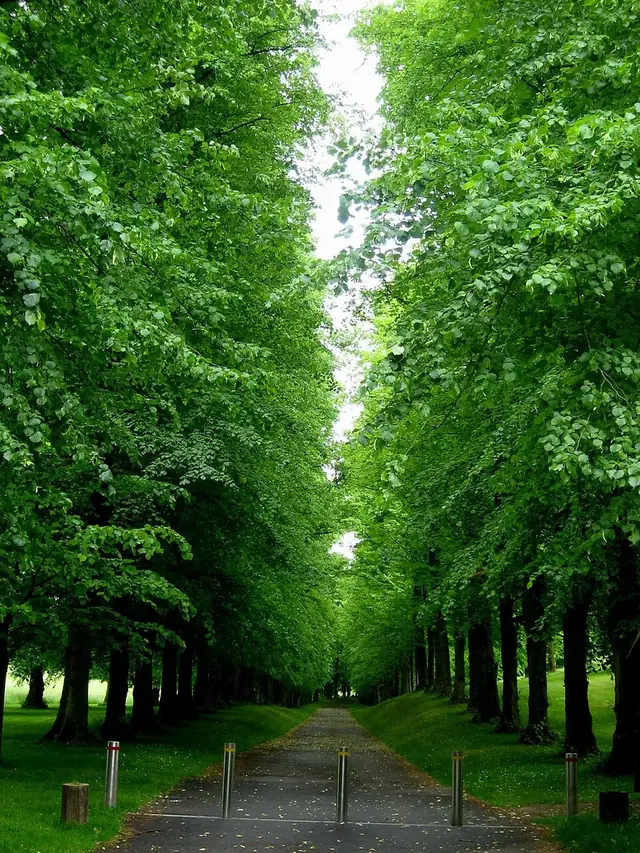
Illustration: Ptelea · CC BY-SA 4.0. View the original image and its licence. Image resized and converted to WebP.
A TOUCH OF SOLÉA
Myriam’s tip
Myriam is reviewing the tip for this profile.
Myriam