Identity & origin
BOTANICAL IDENTITY
The right name is the first step.
The shared “crataegi folium cum flore” monograph includes Crataegus pentagyna Waldst. & Kit. ex Willd. This leaflet is limited to the parts and preparations described in it.
Inclusion in a collective monograph does not prove that each species has been studied separately in humans. The form and pharmaceutical quality described remain decisive.
Also known as: No synonyms listed.
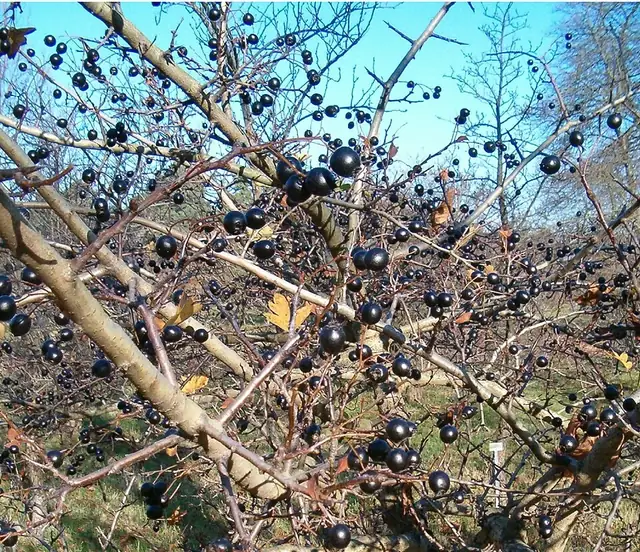
A common name and photograph do not guarantee identification. Check the botanical name and part indicated on a traceable product.
An illustration is not enough to identify a plant for consumption. Do not forage for a species based solely on this profile.
Uses & evidence
UNDERSTANDING THE USES
Properties & uses.
Mild stress and sleep
Use of the monographed group; the source does not demonstrate a benefit specific to each species.
Use considered plausible in a traditional-use monograph. That status alone does not demonstrate clinical efficacy.
Read the sourcePalpitations associated with nervousness
Only after medical exclusion of heart disease.
Use considered plausible in a traditional-use monograph. That status alone does not demonstrate clinical efficacy.
Read the sourceThe traditional uses described are not clinical proof of effectiveness. Evidence for one preparation cannot automatically be applied to another.
Precautions before use
BEFORE ANY USE
Precautions & contraindications.
This guidance does not cover every individual situation. Missing information is not a guarantee of safety.
Contraindications & precautions
- Source-listed contraindicationAllergy to the plant or preparation: contraindication.Source
- PrecautionPalpitations require medical assessment first. Chest pain, breathlessness or swollen legs require urgent assessment.Source
Medicine interactions
- No interaction reported in the sourceNo interactions are reported in the source for the assessed preparations. Evidence is limited; compatibility with medicines is not guaranteed.Source
“Reported” does not prove causality; “possible” may reflect indirect evidence. “None reported” means none in the cited source, not that all combinations have been studied. Do not stop a prescribed treatment based on this profile.
Adverse effects
- Stop use if an unexpected reaction occurs; limited data do not mean absence of risk.
Pregnancy & breastfeeding
Medicinal use is not recommended during pregnancy or breastfeeding because evidence is insufficient; missing evidence establishes neither harm nor safety.
SourceChildren & adolescents
Palpitations: not recommended below 18 because medical assessment is needed. Mild stress/sleep: not established below 12 owing to insufficient data.
SourceIf symptoms persist, worsen or are unusual, consult a healthcare professional. In an emergency, contact the emergency services.
Forms & how they are used
DOCUMENTED FORMS
One plant, several preparations.
Only forms documented in this profile’s sources are presented.
InfusionLeaves with flowers · Route: oral
Preparation described in the shared monograph.
Please note: Follow the product's package leaflet; concentrations are not interchangeable.
Read the sourceExtractLeaves with flowers · Route: oral
Preparation described in the shared monograph.
Please note: Follow the product's package leaflet; concentrations are not interchangeable.
Read the sourceUnderstanding the plant’s actions
EXPLORE THE EVIDENCE
How does the plant act?
C. pentagyna has been the subject of species-specific vascular research. It examines how chemical fractions act on experimental tissues, while the EMA traditional framework concerns the hawthorn leaves and flowers group. Relaxation of an isolated artery is not proof of treatment of hypertension with an infusion.
Constituents to know.
Their presence and quantity depend on the plant part and preparation.
- Polyphenols
- Fractions studied contain chlorogenic acids and epicatechin, among others. Their profile depends on the part and solvent.Read the reference
Experimental vascular relaxation
The studies explore the contribution of nitric oxide and other pathways to relaxation. This mechanism has not been demonstrated as a clinical benefit of a C. pentagyna preparation.
Laboratory or animal observation. A human benefit cannot be inferred from this finding alone.
Read the referenceWhat this means for preparation.
Do not combine fruit results with those for leaves and flowers: the medicinal part in this profile remains that in the monograph.
Studies, findings & limitations
THE RESEARCH
What the research shows.
A laboratory or animal result alone does not demonstrate a benefit in humans. Each result must be read alongside the preparation studied and its limitations.
Leaves, flowers and fruits studied separately
Laboratory or animal observation. A human benefit cannot be inferred from this finding alone.
- Type of research
- Preclinical pharmacological work on vascular tissues
- Preparation concerned
- Ethyl acetate fractions of several parts of C. pentagyna.
- Observed results
- Vasorelaxant effects have been observed with certain fractions.
- Limitations to consider
- Laboratory extraction and isolated tissues; no equivalence with herbal tea, no quantified human effect recognized here. An erratum is noted in the bibliographic record.
What can we take from this?
Inclusion in the EMA group does not turn this study into specific evidence against stress, insomnia or palpitations. No cardiovascular treatment should be replaced on this basis.
Documentary review dated 09/10/2026. The references remain available to check the context.
Sources & last review
CHECKING REFERENCES
Sources for this profile.
- EMA — crataegi folium cum floreAccessed on 09/10/2026
- Study of Crataegus pentagyna fractions and vascular relaxation (2020)Accessed on 09/10/2026
- EMA — document relu pour usages et sécurité : final european union herbal monograph crataegus spp folium cum floreAccessed on 09/10/2026
Image: User:BotBln · CC BY-SA 3.0. View the original image and its licence. Image resized and converted to WebP.