BOTANICAL IDENTITY
The right name is the first step.
Also known as: Cinnamomum zeylanicum
Do not automatically extrapolate the data to Cinnamomum cassia.
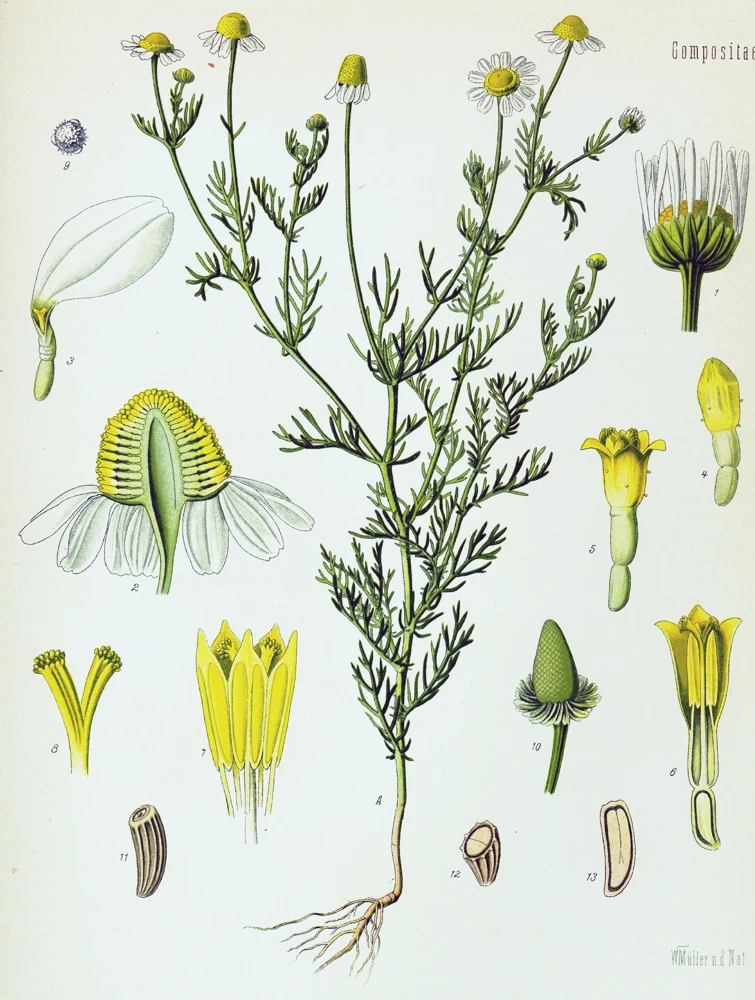
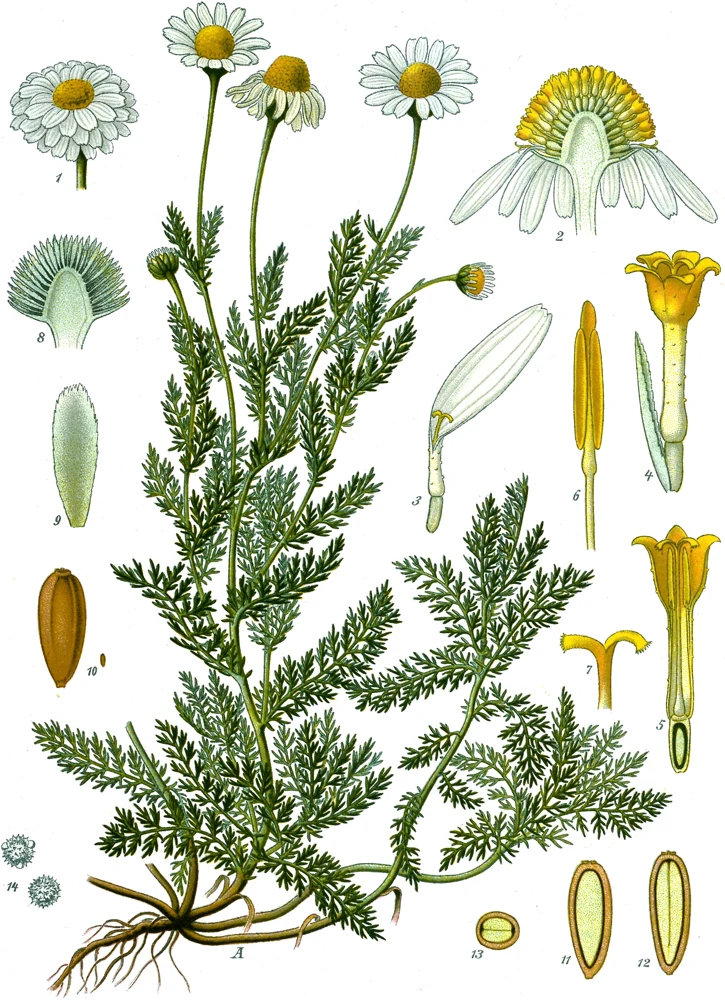
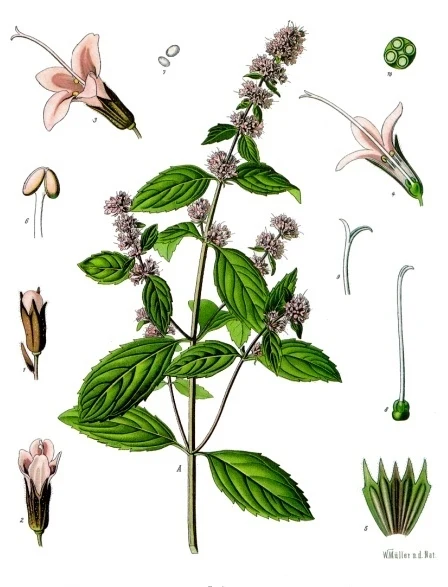
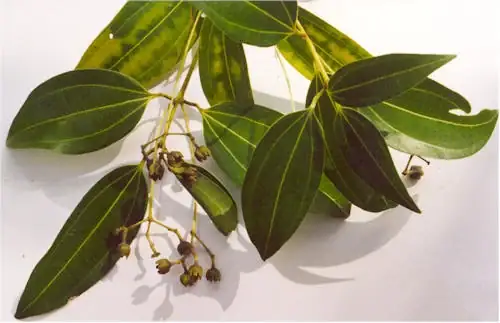
An illustration is not enough to identify a plant for consumption. Do not forage for a species based solely on this profile.
01 · UNDERSTAND
Properties & uses.
Mild digestive complaints
Traditional use for spasmodic discomfort, bloating and flatulence.
Read the sourceThe traditional uses described are not clinical proof of effectiveness. Evidence for one preparation cannot automatically be applied to another.
02 · UNDERSTAND THE ACTION
How does the plant act?
Cinnamomum verum bark has traditional digestive uses. It should not be grouped indiscriminately with cassia cinnamons, or with bark or leaf essential oil. The report describes a complex composition: the aromatic fraction is only one part of it. The characteristic smell provides information about the plant, without demonstrating any particular clinical efficacy.
Constituents to know.
Their presence and quantity depend on the plant part and preparation.
- Cinnamaldehyde and aromatic fraction
- Cinnamaldehyde predominates in the volatile fraction of the bark; eugenol and other terpenes are also described.Read the reference
- Polyphenols and mucilages
- Procyanidins, phenolic acids and polysaccharides complete this profile. Extraction changes the proportions, limiting equivalence between forms.Read the reference
Digestive comfort
Traditional use of the bark concerns certain mild digestive problems. It does not allow a conclusion that it acts as a diabetes treatment.
Read the referenceDifferences between species and parts
The report explicitly states that it does not assess Cinnamomum cassia. Documentation on another cinnamon therefore cannot automatically be transferred to C. verum.
Read the referenceWhat this means for preparation.
Checking the Latin name and the part used is more reliable than the word “cinnamon” alone. A concentrated product cannot be compared with the quantity used to flavor a dish.
03 · EXAMINE THE EVIDENCE
What the research shows.
A laboratory or animal result alone does not demonstrate a benefit in humans. Each result must be read alongside the preparation studied and its limitations.
What a chemical analysis demonstrates
- Type of research
- EMA report characterizing the bark and oil.
- Preparation concerned
- Cinnamomum verum, dry bark and bark oil considered separately.
- Observed results
- Constituents and their variability are described.
- Limitations to consider
- A chemical profile is not a trial of digestive or metabolic benefit; no improvement in glycemic control is inferred from this composition.
What can we take from this?
No replacement of an antidiabetic medicine or home ingestion of essential oil is proposed. The chemical data consulted do not allow a single clinical mechanism to be invented.
Documentary review dated 09/10/2026. The references remain available to check the context.
04 · CHOOSE A PREPARATION
One plant, several preparations.
Only forms documented in this profile’s sources are presented.
InfusionBark · Route: oral
Identified, comminuted bark.
Please note: Check the preparation and its leaflet; concentrations are not interchangeable.
Read the sourceLiquid extract or tinctureBark · Route: oral
Specific preparations to check with a pharmacist.
Please note: Do not substitute an essential oil.
Read the source05 · BEFORE ANY USE
Precautions & contraindications.
This guidance does not cover every individual situation. Missing information is not a guarantee of safety.
Contraindications
- Allergy to the plant or to balsam of Peru.
Medicine interactions
- Interactions are not detailed here: have a pharmacist check treatments and the preparation.
Adverse effects
- This entry does not provide an exhaustive list of adverse effects.
Pregnancy & breastfeeding
Medicinal use is not recommended during pregnancy and breastfeeding due to insufficient data.
Children & adolescents
Medicinal use for adults only.
If symptoms persist, worsen or are unusual, consult a healthcare professional. In an emergency, contact the emergency services.
06 · PUTTING KNOWLEDGE INTO PRACTICE
Preparations & recipes.
No home recipe is provided in this profile. For an appropriate preparation, refer to the product leaflet and ask your pharmacist for advice.
07 · CHECK THE SOURCES
Sources for this profile.
- EMA — Cinnamomi cortex: official dossierAccessed on 09/10/2026
- ANSES — precautions for plants in food supplements, June 2023 summaryAccessed on 09/10/2026
- EMA — assessment report on Cinnamomum verum J. S. Presl (Bark)Accessed on 09/10/2026
Illustration: Wikimedia Commons — auteur indiqué sur la page source · Public domain. View the original image and its licence. Image resized and converted to WebP.
A TOUCH OF SOLÉA
Myriam’s tip
Myriam is reviewing the tip for this profile.
Myriam