BOTANICAL IDENTITY
The right name is the first step.
Also known as: No synonyms listed.
The monograph groups S. scardica, S. clandestina, S. raeseri and S. syriaca.
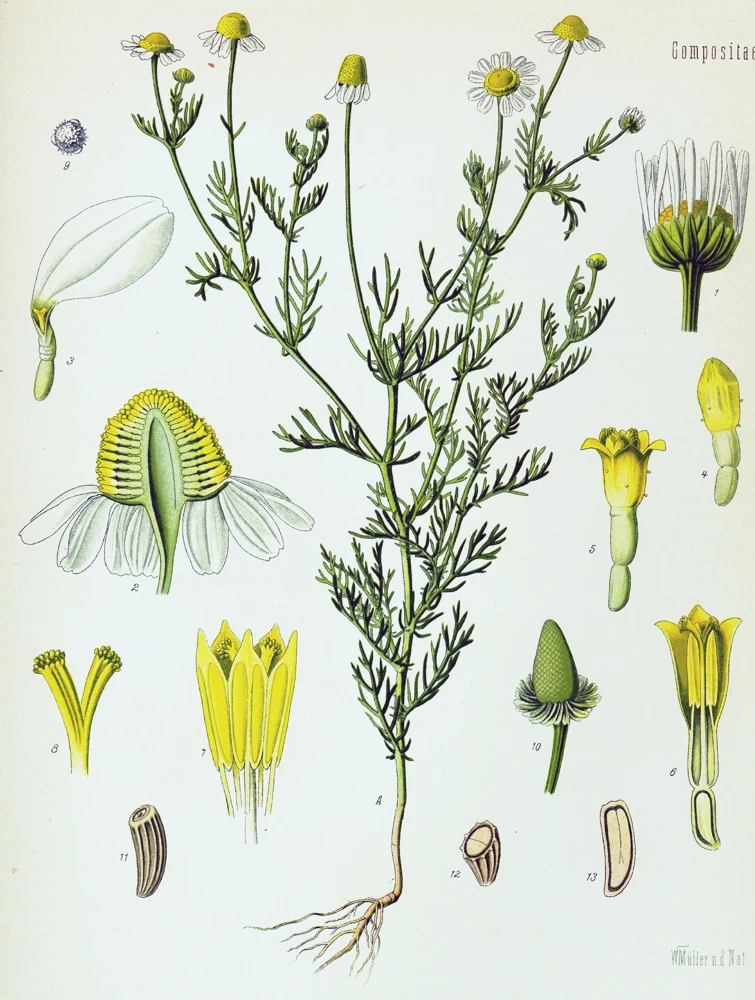
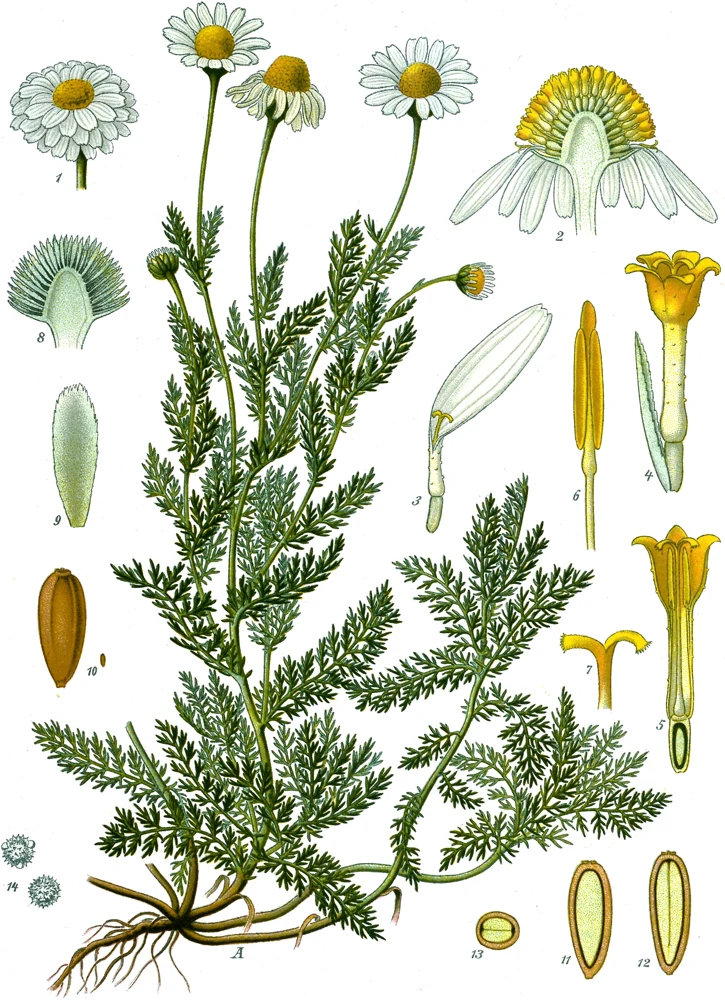
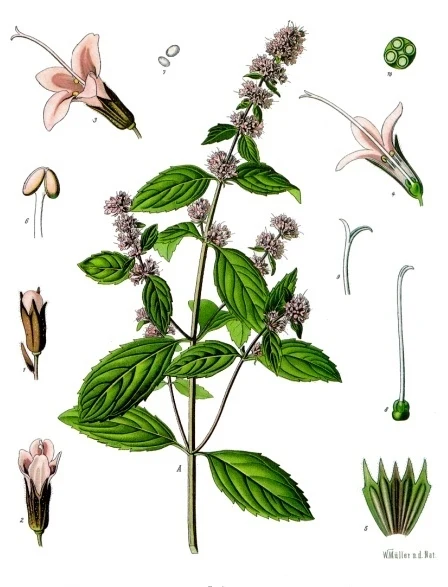
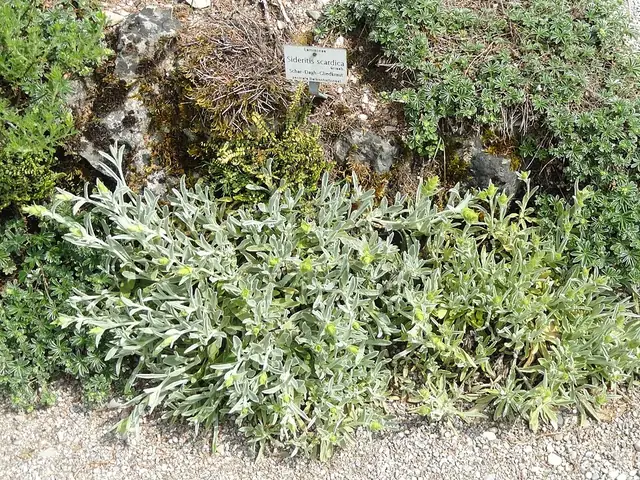
An illustration is not enough to identify a plant for consumption. Do not forage for a species based solely on this profile.
01 · UNDERSTAND
Properties & uses.
The traditional uses described are not clinical proof of effectiveness. Evidence for one preparation cannot automatically be applied to another.
02 · UNDERSTAND THE ACTION
How does the plant act?
Greek mountain tea here refers to Sideritis scardica, whose aerial parts are used as herbal tea. The EMA groups this species with S. clandestina, S. raeseri and S. syriaca for traditional respiratory and digestive uses. Analyses of polyphenols and their metabolites show exposure to certain compounds after ingestion; they do not demonstrate clinical improvement.
Constituents to know.
Their presence and quantity depend on the plant part and preparation.
- Flavonoids and phenolic acids
- Hypolaetin, isoscutellarein and apigenin derivatives are described in S. scardica decoction; the profile depends on the species and preparation.Read the reference
Cough associated with a cold
The herbal tea has a traditional use for relieving cough associated with a cold, without evidence of clinical anti-infective action.
Read the referenceMinor digestive disorders
Traditional use concerns minor gastrointestinal discomfort; it does not demonstrate treatment of a digestive disease.
Read the referenceWhat this means for preparation.
The Latin name is more precise than “Greek tea”. A study with a concentrated extract does not necessarily describe what happens with a cup made from the aerial parts.
03 · EXAMINE THE EVIDENCE
What the research shows.
A laboratory or animal result alone does not demonstrate a benefit in humans. Each result must be read alongside the preparation studied and its limitations.
Absorption does not mean effectiveness
- Type of research
- Metabolite study in ten volunteers analyzed by the EMA.
- Preparation concerned
- Chemically characterised decoction of Sideritis scardica aerial parts.
- Observed results
- Polyphenol metabolites were found in urine after ingestion.
- Limitations to consider
- This concerned excretion and metabolism, not a trial of respiratory or digestive relief. No separate efficacy is demonstrated for each of the species in the monograph.
What can we take from this?
Laboratory antioxidant or neurological actions do not prove prevention of aging or memory disorders.
Documentary review dated 09/10/2026. The references remain available to check the context.
04 · CHOOSE A PREPARATION
One plant, several preparations.
Only forms documented in this profile’s sources are presented.
InfusionAerial parts · Route: oral
Cut aerial parts.
Please note: The conclusions concern the species listed in the monograph.
Read the source05 · BEFORE ANY USE
Precautions & contraindications.
This guidance does not cover every individual situation. Missing information is not a guarantee of safety.
Contraindications
- Allergy to the preparation.
Medicine interactions
- Insufficient evidence in this leaflet to rule out all interactions.
Adverse effects
- Limited tolerability data; stop if a reaction occurs.
Pregnancy & breastfeeding
Pregnancy and breastfeeding: medicinal use is not recommended due to insufficient data.
Children & adolescents
Medicinal use for adults only.
If symptoms persist, worsen or are unusual, consult a healthcare professional. In an emergency, contact the emergency services.
06 · PUTTING KNOWLEDGE INTO PRACTICE
Preparations & recipes.
No home recipe is provided in this profile. For an appropriate preparation, refer to the product leaflet and ask your pharmacist for advice.
07 · CHECK THE SOURCES
Sources for this profile.
- EMA — Sideritis herba: dossier and documentsAccessed on 09/10/2026
- EMA — scientific assessment report: Sideritis scardicaAccessed on 09/10/2026
Illustration: Daderot · Public domain. View the original image and its licence. Image resized and converted to WebP.
A TOUCH OF SOLÉA
Myriam’s tip
Myriam is reviewing the tip for this profile.
Myriam