BOTANICAL IDENTITY
The right name is the first step.
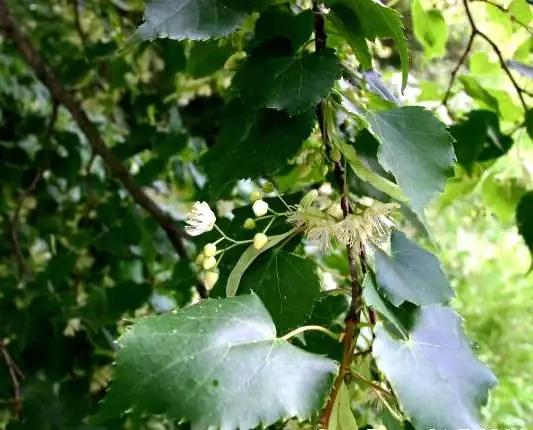
Also known as: small-leaved lime
Tilia platyphyllos and Tilia × vulgaris are also covered; Tilia tomentosa has a separate dossier.
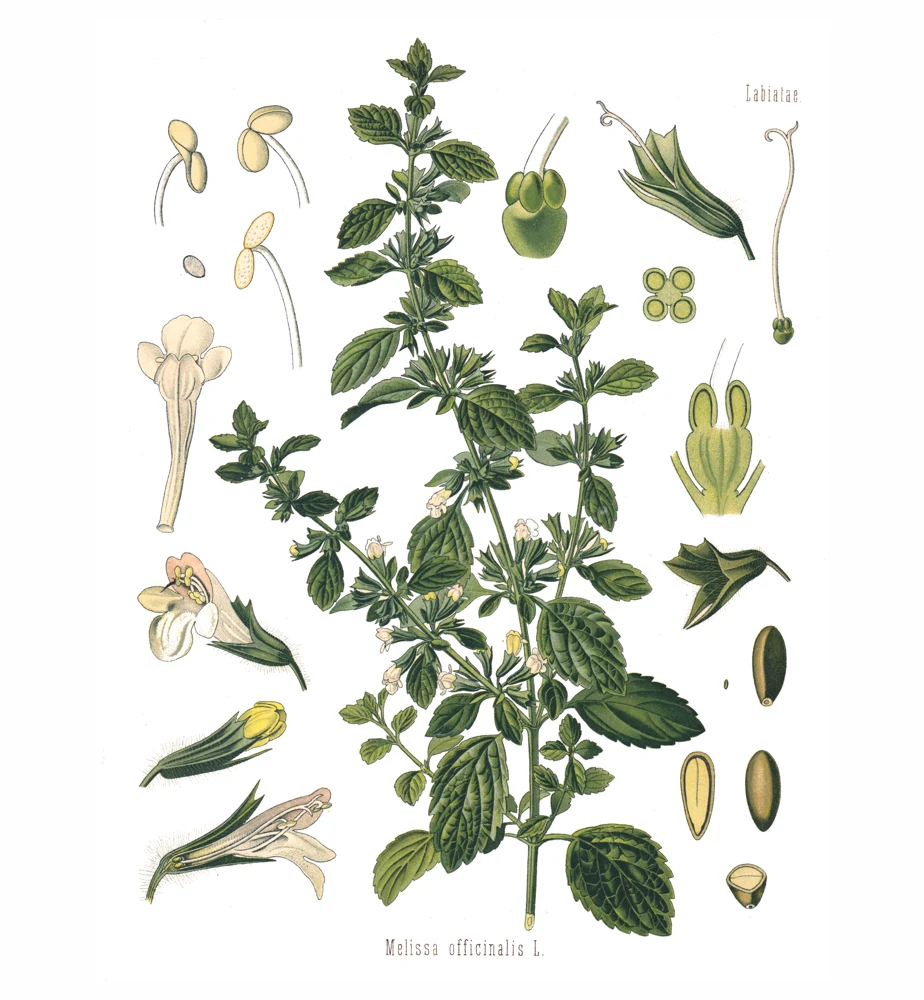
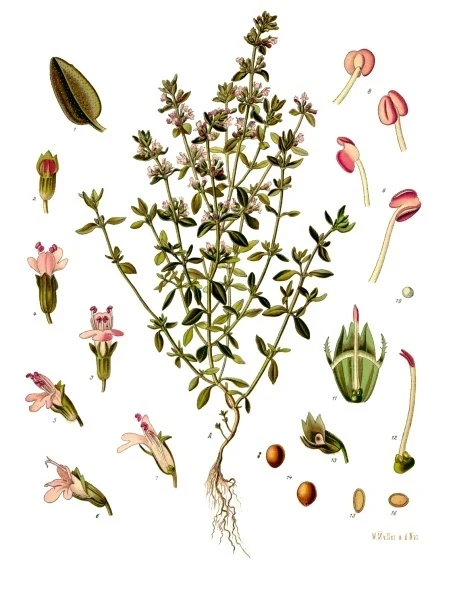
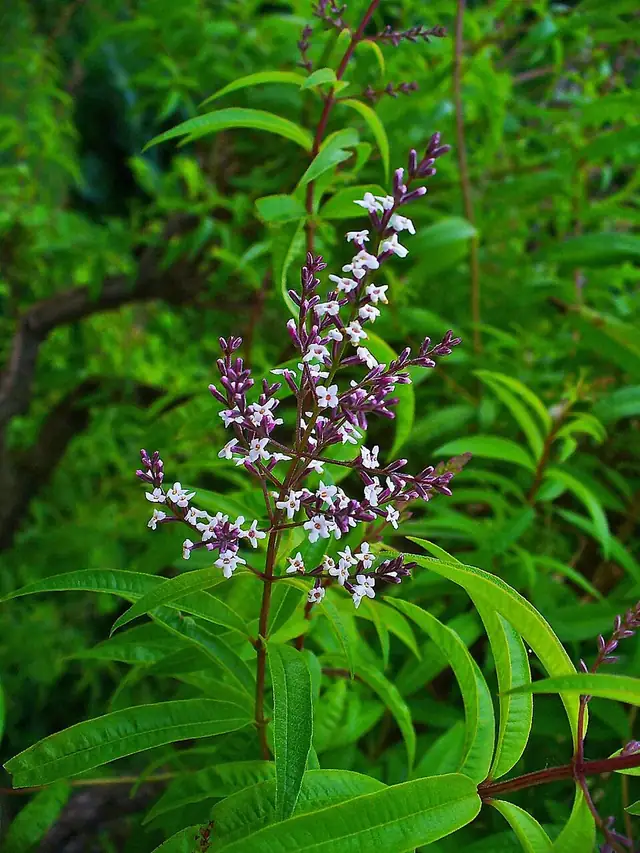
An illustration is not enough to identify a plant for consumption. Do not forage for a species based solely on this profile.
01 · UNDERSTAND
Properties & uses.
The traditional uses described are not clinical proof of effectiveness. Evidence for one preparation cannot automatically be applied to another.
02 · UNDERSTAND THE ACTION
How does the plant act?
Tilia cordata flowers are assessed together with those of Tilia platyphyllos and their hybrid Tilia × vulgaris. Two traditional uses are recognised: cold symptoms and mild nervous tension. The ritual of a hot infusion can be pleasant, but the scientific dossier does not allow lime flower to be described as a sleeping medicine with a measured effect or a precise result to be attributed to each species.
Constituents to know.
Their presence and quantity depend on the plant part and preparation.
- Mucilages and flavonoids
- The shared dossier describes polysaccharides and derivatives of quercetin, kaempferol and myricetin; these profiles do not constitute a single proven sedative principle.Read the reference
Mild relaxation
Use is traditional for minor nervous tension; it does not prove treatment of an anxiety disorder or chronic insomnia.
Read the referenceCommon cold
The flower infusion corresponds to a longstanding symptomatic use; no clinical antiviral activity can be promised.
Read the referenceWhat this means for preparation.
The flower and its bract must not be confused with the sapwood. Age thresholds differ by indication and form; pediatric guidance for the common cold does not automatically apply to relaxation.
03 · EXAMINE THE EVIDENCE
What the research shows.
A laboratory or animal result alone does not demonstrate a benefit in humans. Each result must be read alongside the preparation studied and its limitations.
A predominantly traditional dossier
- Type of research
- EMA assessment of historical and experimental documentation.
- Preparation concerned
- Flowers of the included species, alone or in mixtures complying with the monograph.
- Observed results
- In vitro and animal data support plausibility.
- Limitations to consider
- Controlled clinical trials are lacking; experiments on other Tilia species do not demonstrate an effect specific to Tilia cordata.
What can we take from this?
The shared monograph does not cover silver lime. A mild taste and the absence of immediate drowsiness are neither proof of efficacy nor a universal guarantee of safety.
Documentary review dated 09/10/2026. The references remain available to check the context.
04 · CHOOSE A PREPARATION
One plant, several preparations.
Only forms documented in this profile’s sources are presented.
InfusionInflorescence · Route: oral
Extract or tinctureInflorescence · Route: oral
Specific documented preparations.
Please note: Alcoholic forms require their own precautions.
Read the source05 · BEFORE ANY USE
Precautions & contraindications.
This guidance does not cover every individual situation. Missing information is not a guarantee of safety.
Contraindications
- Allergy to linden.
Medicine interactions
- None reported; limited data.
Adverse effects
- Allergic reactions possible; stop use if a reaction occurs.
Pregnancy & breastfeeding
Pregnancy and breastfeeding: medicinal use is not recommended due to insufficient data.
Children & adolescents
Stress: from 12 years; certain herbal teas for colds from 4 years, according to the leaflet.
If symptoms persist, worsen or are unusual, consult a healthcare professional. In an emergency, contact the emergency services.
06 · PUTTING KNOWLEDGE INTO PRACTICE
Preparations & recipes.
A DOCUMENTED PREPARATION
Small-leaved lime blossom infusion — a quiet pause
Traditional use for mild symptoms of mental stress. This recipe uses only Tilia cordata, one of the species covered by the monograph, rather than silver lime.
Plant part: Dried inflorescences with bract
Ingredients & quantities
- 1.5 g dried, cut Tilia cordata Miller inflorescences with their bract
- 150 ml drinking water, brought to the boil
Preparation steps
- Check the botanical name and plant part on a product intended for herbal tea; weigh the stated quantity.
- Place the herb in a heatproof cup and pour over 150 ml boiling water.
- Steep for 5–15 minutes unless the product leaflet specifies otherwise. This is the general method in the EMA glossary; the plant monograph does not specify a particular steeping time.
- Strain, then let the infusion cool to a comfortable drinking temperature.
Use: Monograph reference: one 150 ml preparation, 2–4 times daily, equivalent to 3–6 g of herb daily. For stress, seek advice if symptoms persist; no numbered duration is given for this indication.
Storage: Prepare immediately before use, as specified by the EMA glossary. The monograph does not document a household storage period; do not prepare a batch for later use.
Before you start. This guide restricts use to adults aged 18 and over. Not recommended during pregnancy or breastfeeding because safety data are insufficient. Contraindicated with allergy to lime blossom. If an adverse reaction occurs, stop and seek advice. This recipe concerns the inflorescences; leaves alone, sapwood and other species are not interchangeable. No interactions are reported in this monograph; this does not establish compatibility with medicines. Ask a pharmacist if you take medication.
A DOCUMENTED PREPARATION
Lime blossom — common-cold infusion, ages 6–11
Traditional use for symptoms of an early common cold. The paediatric reference does not cover stress, insomnia or reducing fever. It does not establish an antiviral effect in children.
EMA/HMPC/337067/2011, section 2.3: children between 4 and 12, for common-cold symptoms only. This chapter selects ages 6–11; at 12, confirm the leaflet’s age band and dose.
Read the complete children’s chapterPlant part: Dried inflorescences with bract
Ingredients & quantities
- 1 g dried, cut Tilia cordata Miller inflorescences with bract
- 150 ml boiling drinking water
Preparation steps
- An adult checks the botanical name, plant part and leaflet of a pharmaceutical-quality product, then weighs the amount agreed with the professional.
- Pour boiling water over the herb in a heatproof cup, out of the child’s reach.
- Steep for 5–15 minutes unless the leaflet specifies otherwise: this is the EMA glossary’s general method, not a species-specific time.
- Strain carefully and allow to cool; an adult checks the temperature before offering the preparation.
Use: EMA paediatric common-cold reference: one preparation, 2–4 times daily, equivalent to 2–4 g herb daily. Consult if symptoms persist over one week, worsen, or if fever or purulent sputum develops. Breathing difficulty requires urgent care.
Storage: Prepare immediately before use. This source establishes no household shelf life; discard any remainder and do not prepare a stock batch.
Before you start. Before medicinal use in a child, ask a pharmacist or doctor to confirm the product and dose. Do not use with lime-blossom allergy. This protocol concerns Tilia cordata inflorescences, not sapwood or silver lime. Do not try to make the child sweat by wrapping them up or giving a scalding drink. Obtain medical advice first with medicines or chronic disease.
07 · CHECK THE SOURCES
Sources for this profile.
- EMA — Tiliae flos: dossier and documentsAccessed on 09/10/2026
- EMA — Tilia cordata Miller, flos monograph: posology and precautionsAccessed on 09/10/2026
- ANSES — precautions for herbal supplements, June 2023 tableAccessed on 09/10/2026
- EMA — Lime blossom — common-cold infusion, ages 6–11: paediatric sourceAccessed on 09/10/2026
- EMA — Glossary on herbal teas, section 4: general preparation methodAccessed on 09/10/2026
Illustration: Sten ; édition JoJan — Wikimedia Commons · CC BY-SA 3.0. View the original image and its licence. Image resized and converted to WebP.
A TOUCH OF SOLÉA
Myriam’s tip
Myriam is reviewing the tip for this profile.
Myriam