SOLÉAHERBAL · THE LIVING HOUSE

SEARCH BY NEED

Plants related to your search.

Results present documented uses and their limitations. They do not provide a diagnosis.

3,100 plants in the herbarium My favourites

Documentary entries are excluded from searches by need.Understanding the profiles

Your herbarium, at your pace
37 results
Rosaceae
Use profile

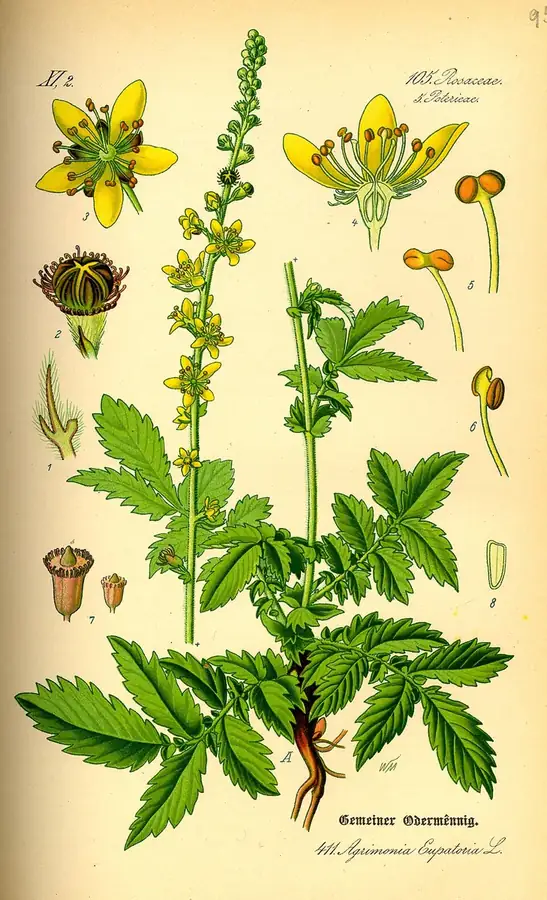
Agrimonia eupatoria L.

Agrimony

Mild diarrhea

Why this plant?

Under “ Skin ”: Traditional local use for minor inflammation of the mouth or skin and superficial wounds.

Traditional use

Blood in the stool, dehydration or worsening symptoms: seek medical advice.

View the profile
Family not detailed in the references for this profile.
Use profile

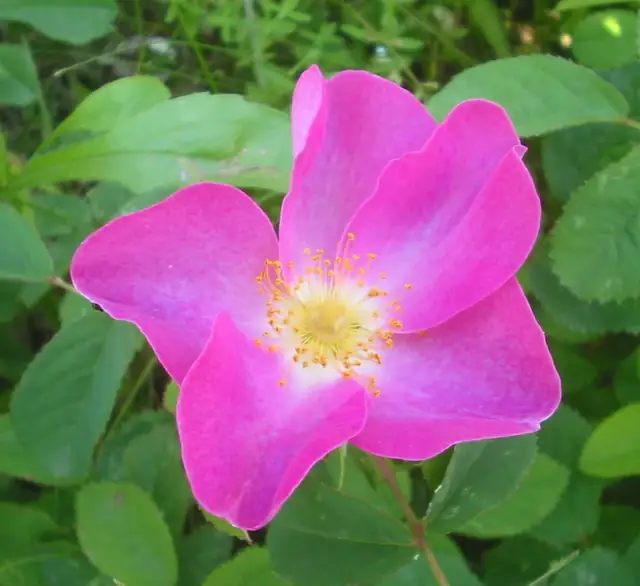
Rosa gallica L.

Apothecary's rose

Minor irritation of the skin, mouth and throat

Why this plant?

Under “ Skin ”: Traditional local use of a petal infusion, as a mouth rinse or skin application, for minor inflammation. Scented water, hydrosol and essential oil are not equivalent preparations.

Traditional use

The petal monograph does not validate the essential oil or hydrosol.

View the profile
Apiaceae
Use profile

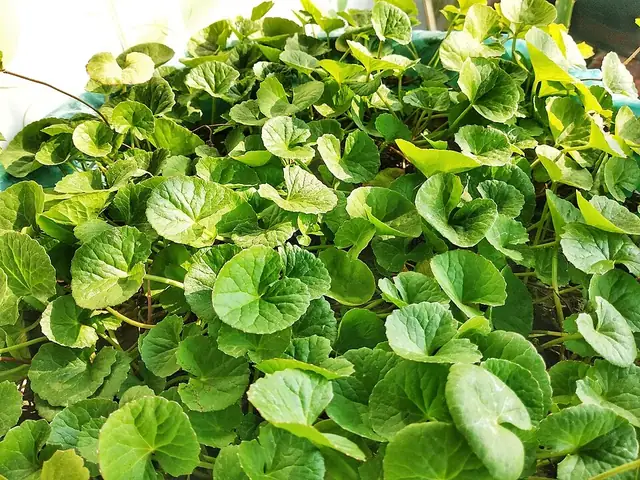
Centella asiatica (L.) Urb.

Asiatic pennywort

Minor wounds

Why this plant?

Under “ Skin ”: Traditional local use to promote their healing.

Traditional use

Documented external care; no oral use proposed.

View the profile
Not specified in the sources consulted.
Use profile

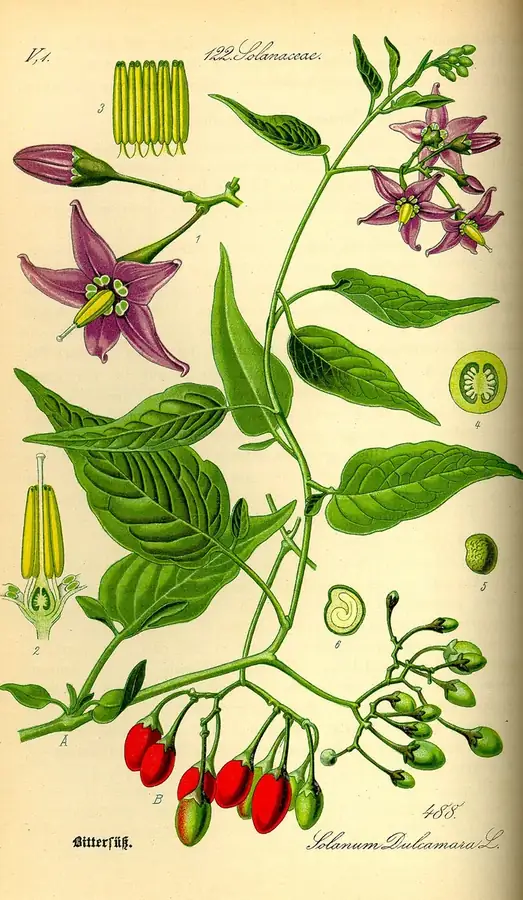
Solanum dulcamara

Bittersweet

Mild recurrent eczema

Why this plant?

Under “ Skin ”: Traditional external use of older stems in a defined preparation. This information does not justify any ingestion.

Traditional use

An information profile on a plant with risks; do not ingest.

View the profile
Not specified in the sources consulted.
Use profile

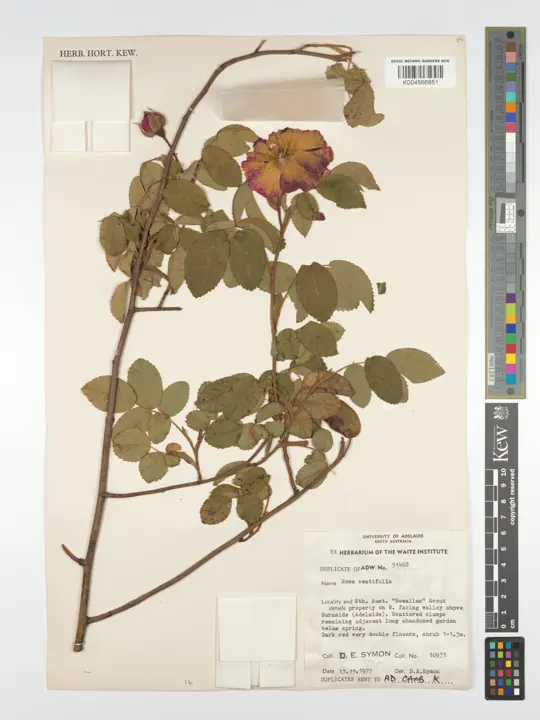
Rosa centifolia

Cabbage rose

Mouth and throat

Why this plant?

Under “ Skin ”: Traditional use of a petal infusion applied to the skin for minor skin inflammation; clinical benefit is not established.

Traditional use

The hydrosol and essential oil are not validated by the petal monograph.

View the profile
Asteraceae
Use profile

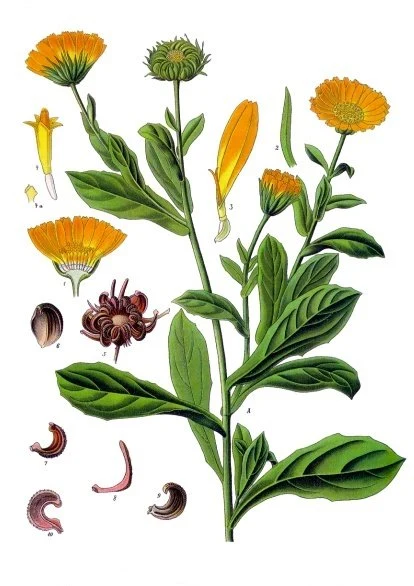
Calendula officinalis L.

Calendula — pot marigold

Minor skin irritations

Why this plant?

Under “ Skin ”: Traditional use for minor skin inflammation and to support the healing of small wounds.

Traditional use

Allergies are possible. Seek medical advice for signs of infection, worsening or persistence beyond one week.

View the profile
Not specified in the sources consulted.
Use profile

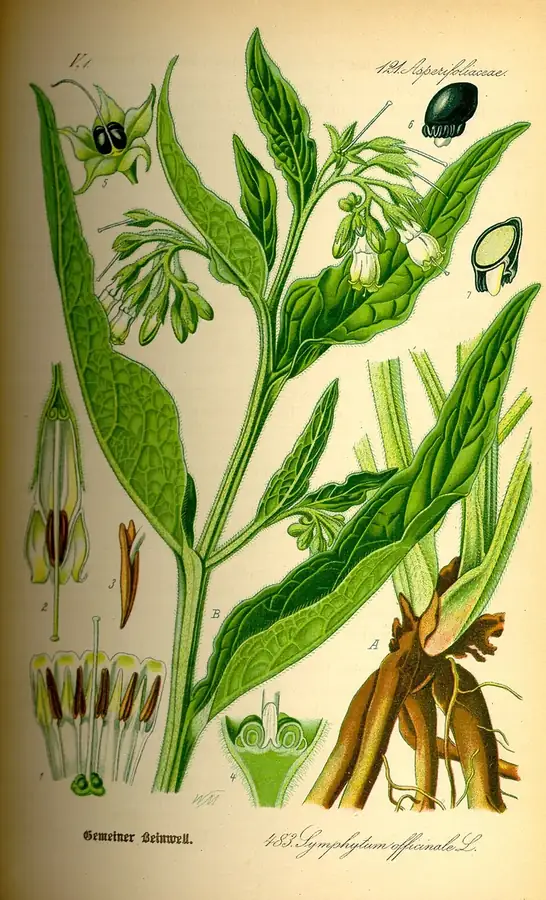
Symphytum officinale

Common comfrey

Minor injuries

Why this plant?

Under “ Skin ”: Traditional external use of defined preparations for minor sprains and bruises.

Traditional use

Adults, topical use only: no longer than 10 days with a quality-controlled product. Do not swallow or prepare at home.

View the profile
Onagraceae
Use profile

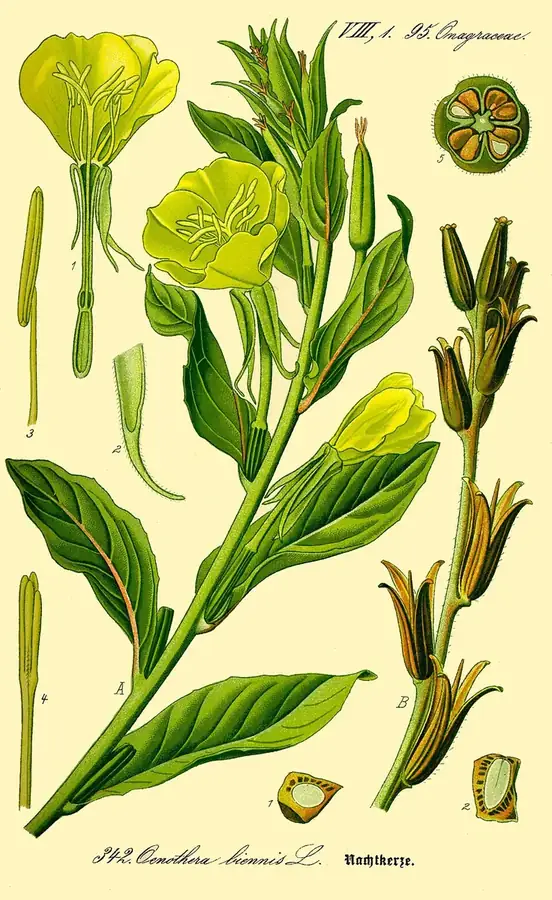
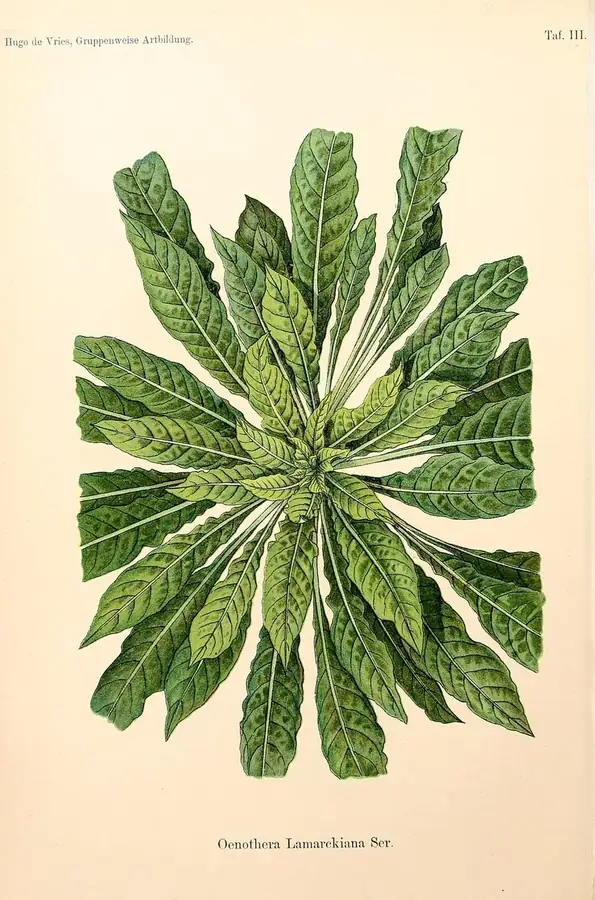
Oenothera biennis L.

Common evening primrose

Itching of dry skin

Why this plant?

Under “ Skin ”: Oral seed oil: EMA traditional use for itching associated with dry skin. Findings do not establish efficacy for eczema and do not validate hormone treatment or labour induction.

Traditional use

This monograph does not validate promises of hormone regulation or help with childbirth.

View the profile
Not specified in the sources consulted.
Use profile

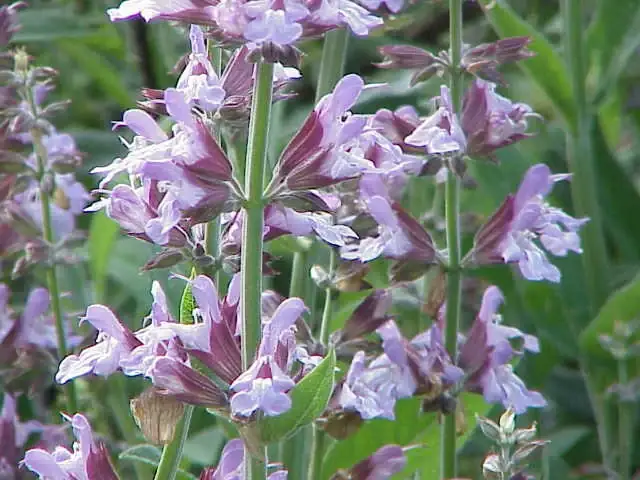
Salvia officinalis

Common sage

Digestion and sweating

Why this plant?

Under “ Skin ”: Traditional uses for heartburn, bloating and excessive sweating.

Traditional use

Essential oil: unfavorable benefit–risk balance according to the EMA; do not ingest.

View the profile
Juglandaceae
Use profile

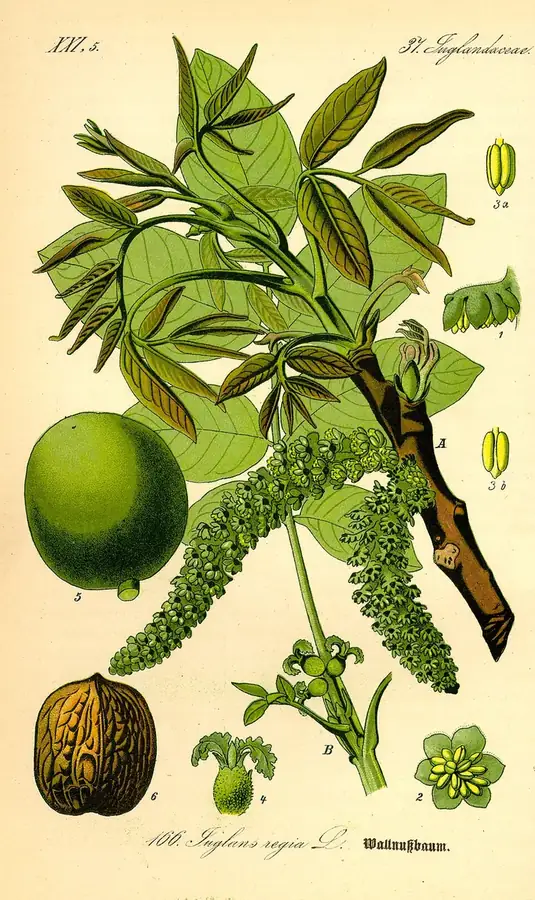
Juglans regia L.

Common walnut

Skin and perspiration

Why this plant?

Under “ Skin ”: Traditional local use for minor skin inflammation and excessive sweating of the hands or feet.

Traditional use

External use in adults, for no more than one week without medical advice.

View the profile
Poaceae
Use profile

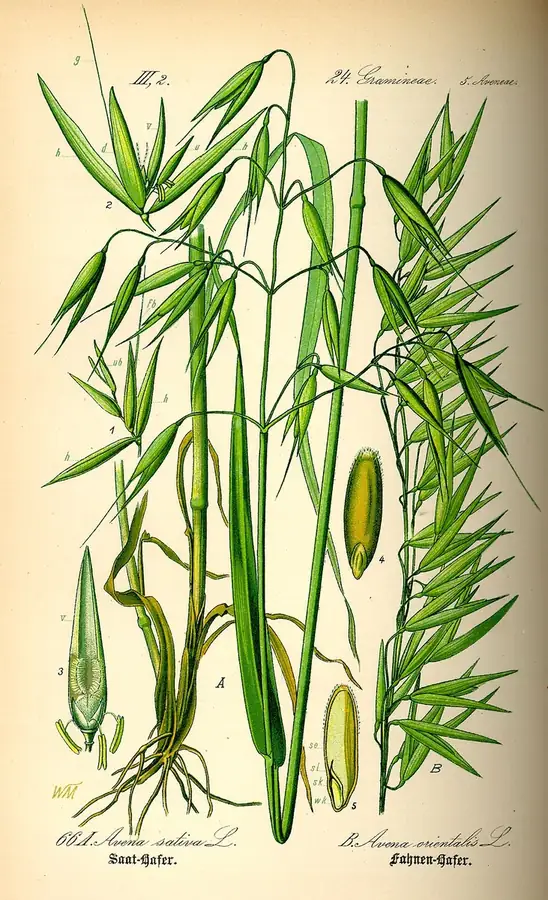
Avena sativa L.

Cultivated oat

Relaxation and sleep

Why this plant?

Under “ Skin ”: Traditional use of oat flour or colloidal oatmeal preparations, distinct from an oat-herb tea.

Traditional use

May impair alertness; do not drive if affected.

View the profile
Family not detailed in the references for this profile.
Use profile

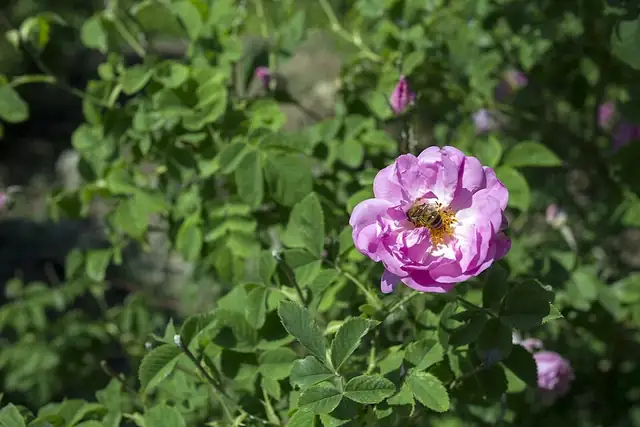
Rosa × damascena Mill.

Damask rose

Minor irritation of the skin, mouth and throat

Why this plant?

Under “ Skin ”: Traditional local use of a petal infusion, as a mouth rinse or skin application, for minor inflammation. Scented water, hydrosol and essential oil are not equivalent preparations.

Traditional use

The petal monograph does not validate the essential oil or hydrosol.

View the profile
Lamiaceae
Use profile

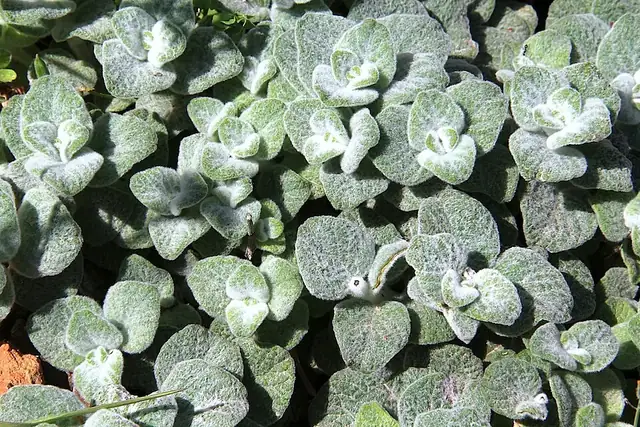
Origanum dictamnus L.

Dittany of Crete

Digestion and colds

Why this plant?

Under “ Skin ”: Traditional local use for minor irritations and bruises.

Traditional use

Seek medical advice if a cough lasts longer than one week or digestive discomfort longer than two weeks.

View the profile
Family not detailed in the references for this profile.
Use profile

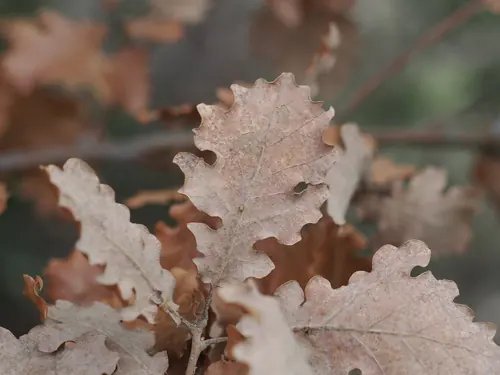
Quercus pubescens Willd.

Downy oak

Mild diarrhea

Why this plant?

Under “ Skin ”: Traditional local use of bark preparations for minor mouth or skin inflammation. Oral use is not interchangeable.

Traditional use

Diarrhoea with blood or fever: seek medical advice without delay.

View the profile
Not specified in the sources consulted.
Use profile

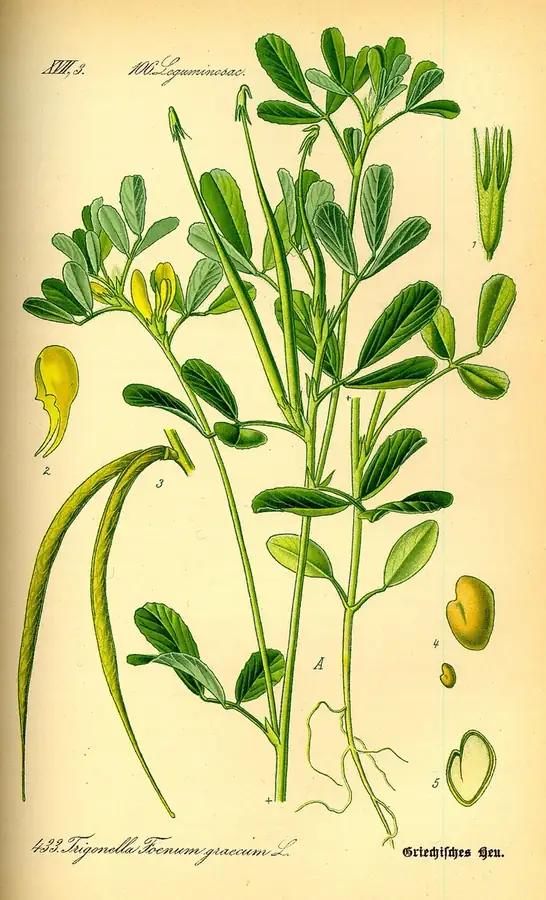
Trigonella foenum-graecum

Fenugreek

Appetite

Why this plant?

Under “ Skin ”: Traditional use for minor skin inflammation.

Traditional use

Its status as a spice does not validate concentrated intake.

View the profile
Equisetaceae
Use profile

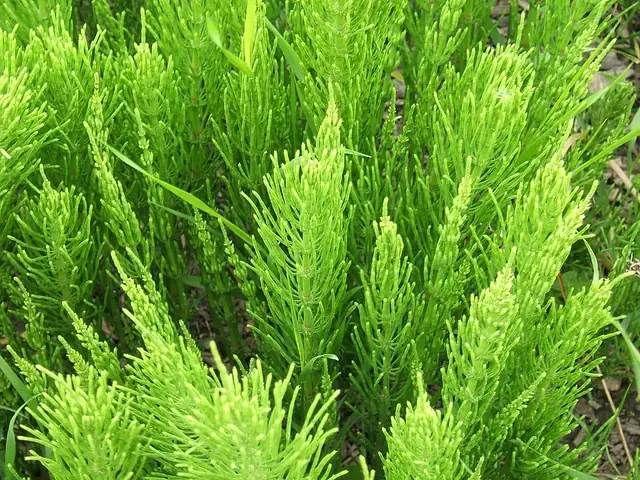
Equisetum arvense L.

Field horsetail

Urinary elimination

Why this plant?

Under “ Skin ”: Traditional external use of suitable preparations.

Traditional use

Identify Equisetum arvense precisely; do not harvest based on a photo alone.

View the profile
Family not detailed in the references for this profile.
Use profile

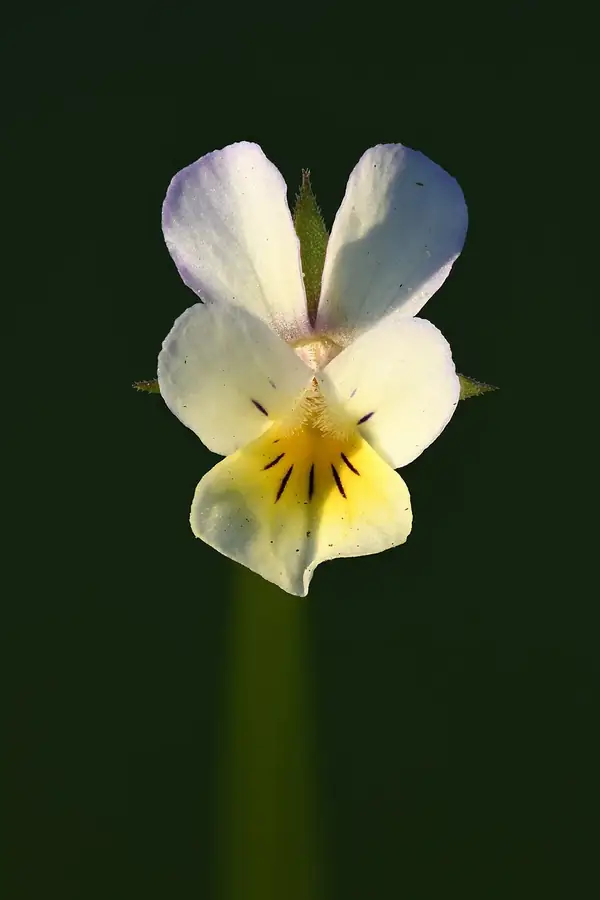
Viola arvensis Murray

Field pansy

Mild seborrheic skin conditions

Why this plant?

Under “ Skin ”: Flowering aerial parts: traditional oral or cutaneous use for mild seborrhoeic skin conditions, depending on preparation and age. Clinical evidence is insufficient.

Traditional use

An extensive or infected lesion requires examination.

View the profile
Family not detailed in the references for this profile.
Use profile

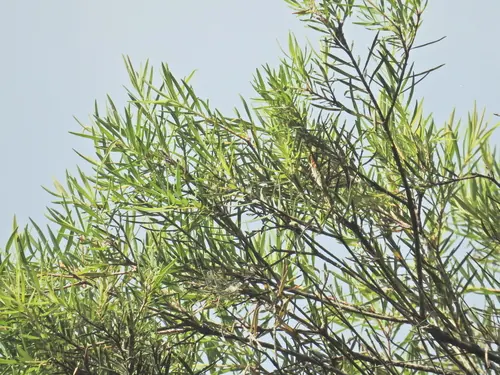
Melaleuca linariifolia Sm.

Flax-leaved paperbark

Minor superficial lesions and mild acne

Why this plant?

Under “ Skin ”: Use of the monographed group; the source does not demonstrate a benefit specific to each species. Applies to oil of the specified composition in a defined local formulation, not every oil from this species.

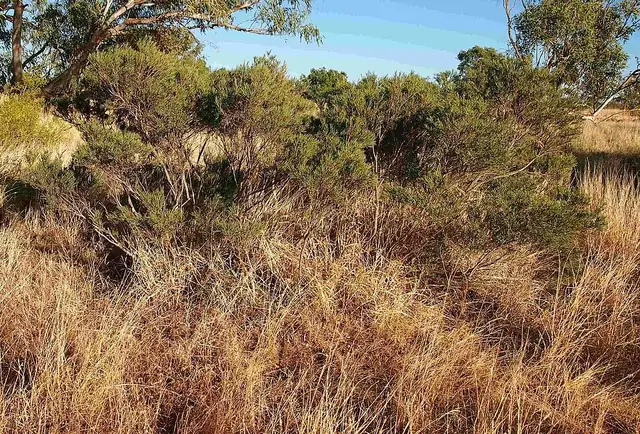
Traditional use

Essential oil: do not swallow.

View the profile
Asteraceae
Use profile

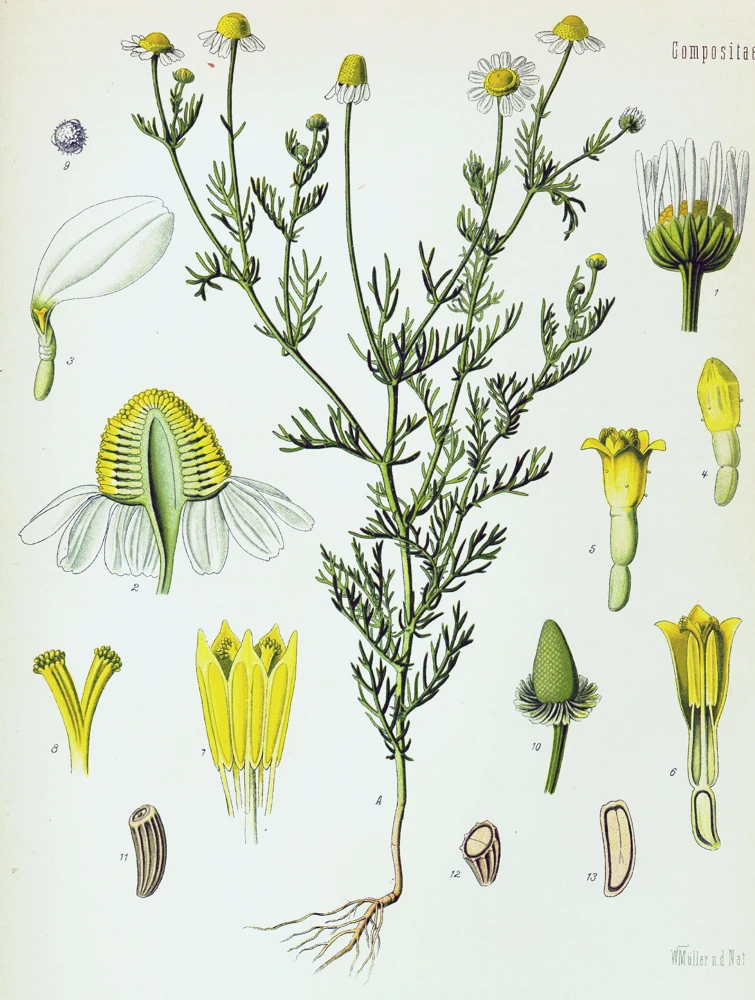
Matricaria recutita L.

German chamomile

Digestive comfort

Why this plant?

Under “ Skin ”: Traditional use of suitable preparations for minor inflammation and superficial wounds.

Traditional use

Allergies to Asteraceae; precautions differ by form. Seek medical advice if symptoms last more than a week.

View the profile
Asteraceae
Use profile

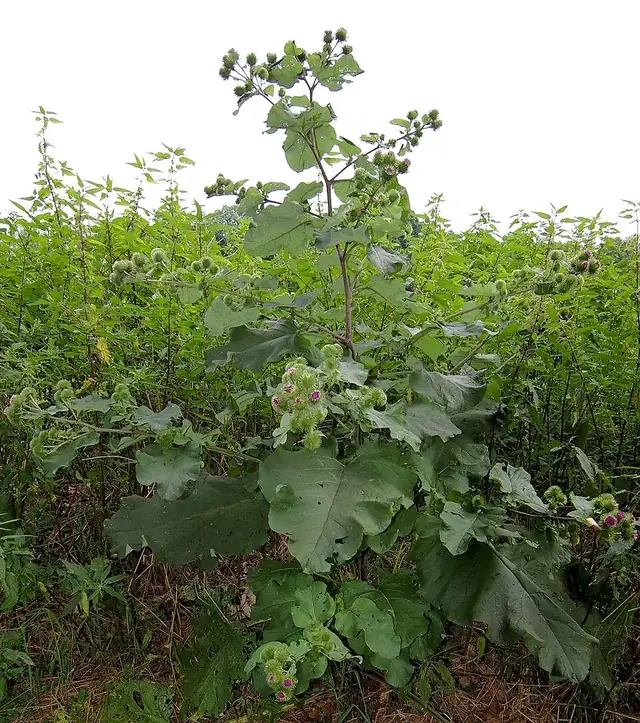
Arctium lappa L.

Greater burdock

Urinary elimination

Why this plant?

Under “ Skin ”: Traditional uses for temporary loss of appetite and seborrhoeic skin conditions; no promise of curing acne.

Traditional use

Fever, urinary pain or worsening symptoms: seek medical advice.

View the profile
Sapindaceae
Use profile

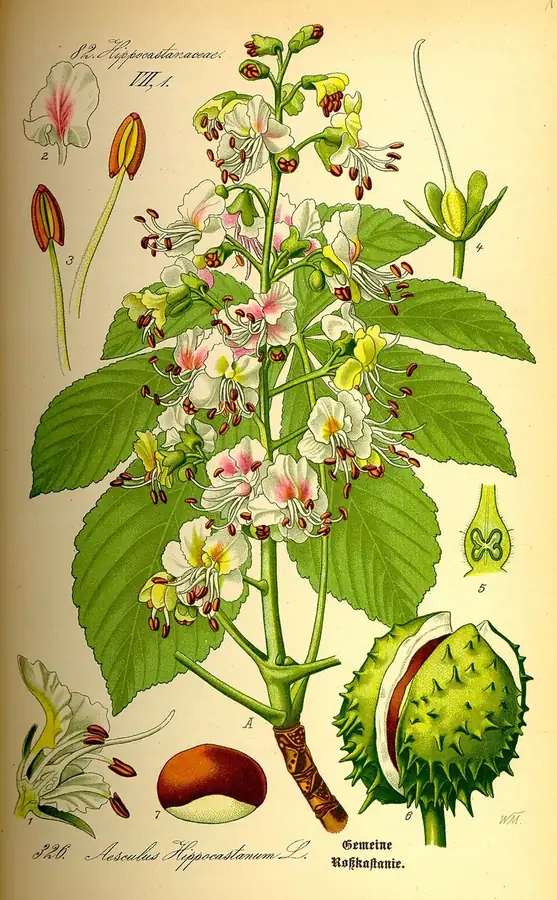
Aesculus hippocastanum L.

Horse chestnut

Chronic venous insufficiency

Why this plant?

Under “ Skin ”: Traditional uses of suitable preparations for minor venous discomfort or bruises.

Well-established medicinal use (EMA)

A suddenly swollen or painful leg requires medical assessment.

View the profile
Family not detailed in the references for this profile.
Use profile

Oenothera grandiflora L’Hér.

Large-flowered evening primrose

Itching of dry skin

Why this plant?

Under “ Skin ”: Oral seed oil: EMA traditional use for itching associated with dry skin. Findings do not establish efficacy for eczema and do not validate hormone treatment or labour induction.

Traditional use

This oil is not a proven treatment for eczema.

View the profile
Anacardiaceae
Use profile

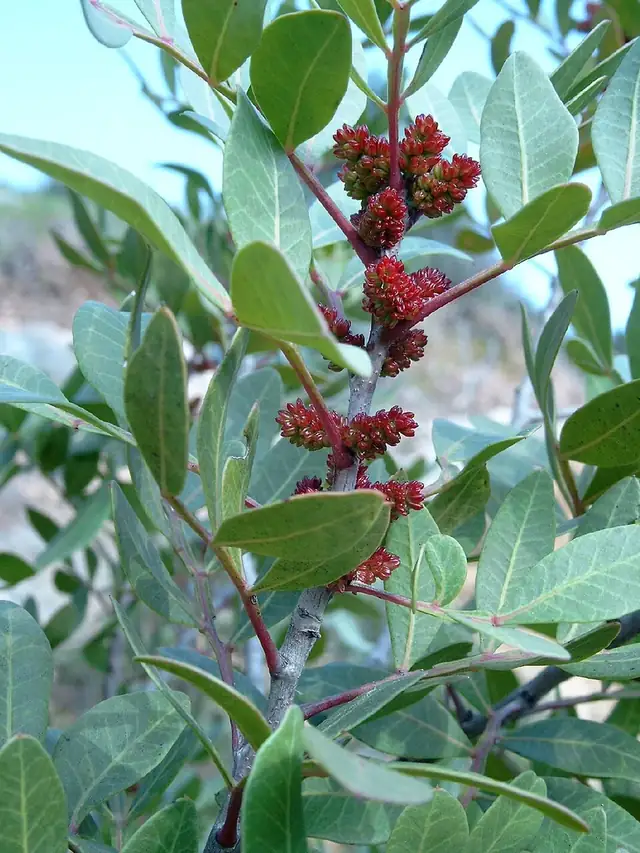
Pistacia lentiscus L.

Mastic tree

Digestion

Why this plant?

Under “ Skin ”: Traditional external use for minor inflammation and to support superficial wound healing.

Traditional use

Does not replace treatment of an infection or a gastrointestinal ulcer.

View the profile
Family not detailed in the references for this profile.
Use profile

Melaleuca dissitiflora F.Muell.

Melaleuca dissitiflora

Minor superficial lesions and mild acne

Why this plant?

Under “ Skin ”: Use of the monographed group; the source does not demonstrate a benefit specific to each species. Applies to oil of the specified composition in a defined local formulation, not every oil from this species.
Traditional use

Essential oil: do not swallow.

View the profile
WhatsApp Appointments