Rosaceae
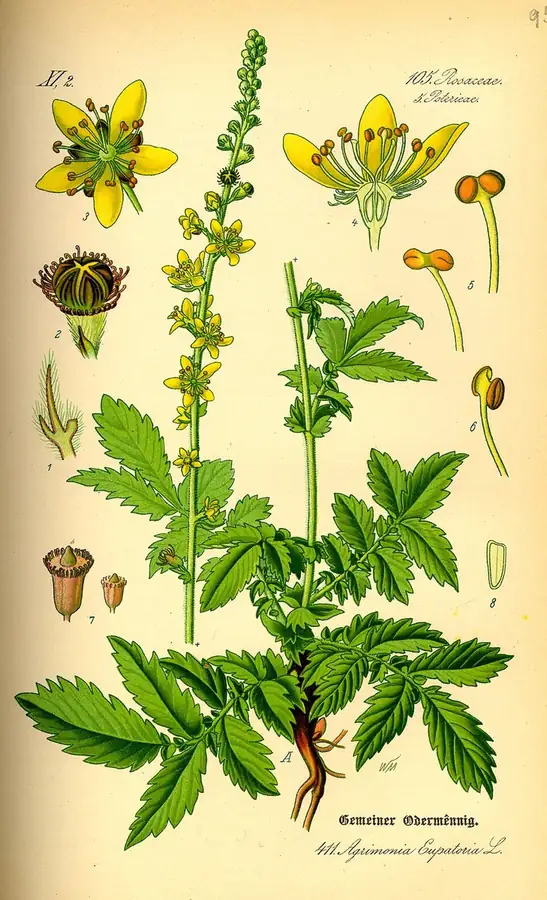
Agrimonia eupatoria L.
Agrimony
Traditional oral use; seek medical advice if it persists for more than three days.
Traditional use
Blood in the stool, dehydration or worsening symptoms: seek medical advice.
Discover the plantTHE SOLÉA HERBARIUM
Search a name, explore a use and take time to understand.
Agrimonia eupatoria L.
Traditional oral use; seek medical advice if it persists for more than three days.
Traditional use
Blood in the stool, dehydration or worsening symptoms: seek medical advice.
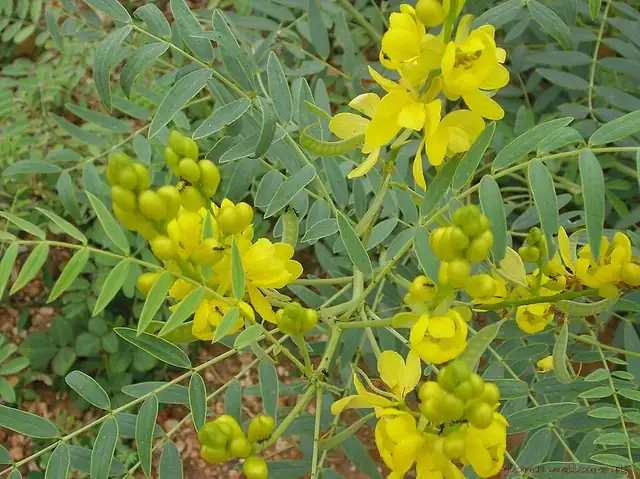
Discover the plantCassia senna L.
Well-established use of standardized preparations for a short period.
Well-established medicinal use (EMA)
No more than one week for occasional constipation without reassessment.
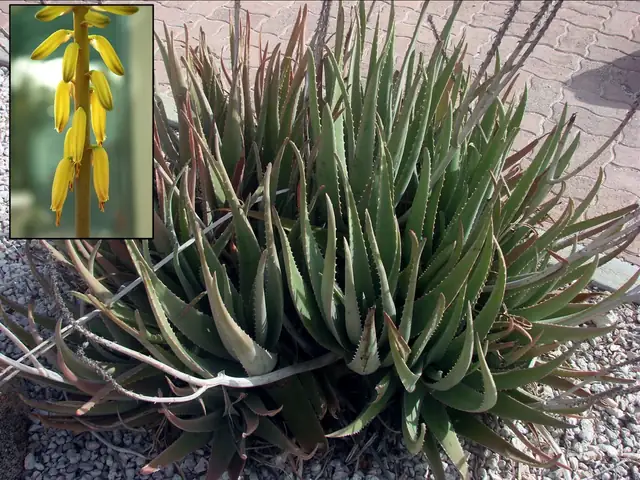
Discover the plantAloe barbadensis Mill.
Well-established short-term use of standardized medicines; seek professional advice before use.
Well-established medicinal use (EMA)
Laxative juice: no home use proposed.
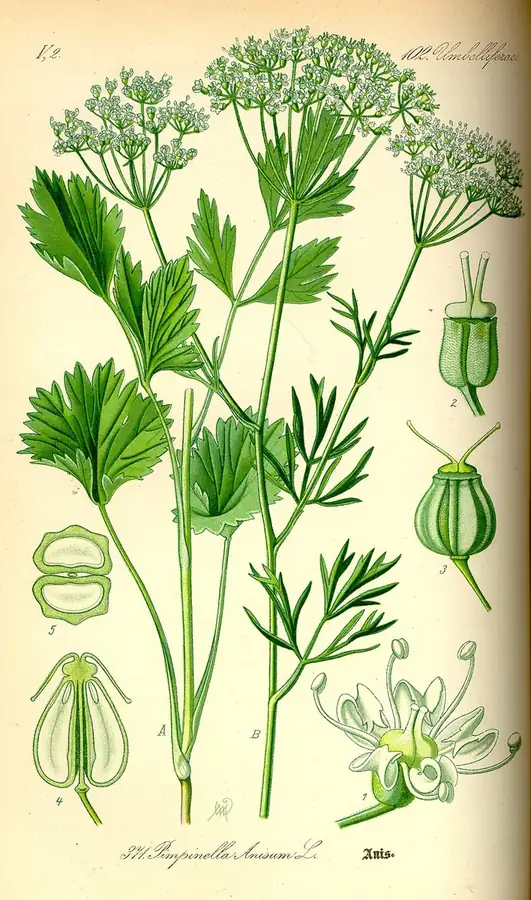
Discover the plantPimpinella anisum L.
Traditional use for bloating and flatulence.
Traditional use
No more than two weeks without advice; seek medical advice for fever or breathing difficulty.
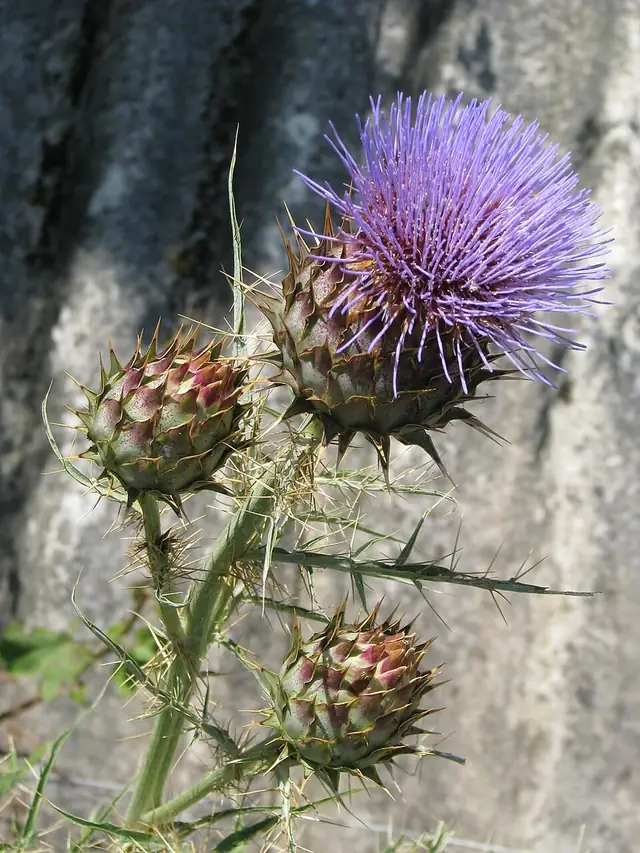
Discover the plantCynara cardunculus L.
Traditional use for indigestion with feelings of fullness, bloating and gas.
Traditional use
Biliary precautions are essential.
Discover the plantVaccinium myrtillus
Some fresh-fruit extracts have a traditional use for minor circulatory disorders. The trials do not allow a firm clinical conclusion.
Traditional use
Seek medical advice if symptoms persist beyond two weeks; no prolonged unsupervised use.
Discover the plantPlantago afra L.
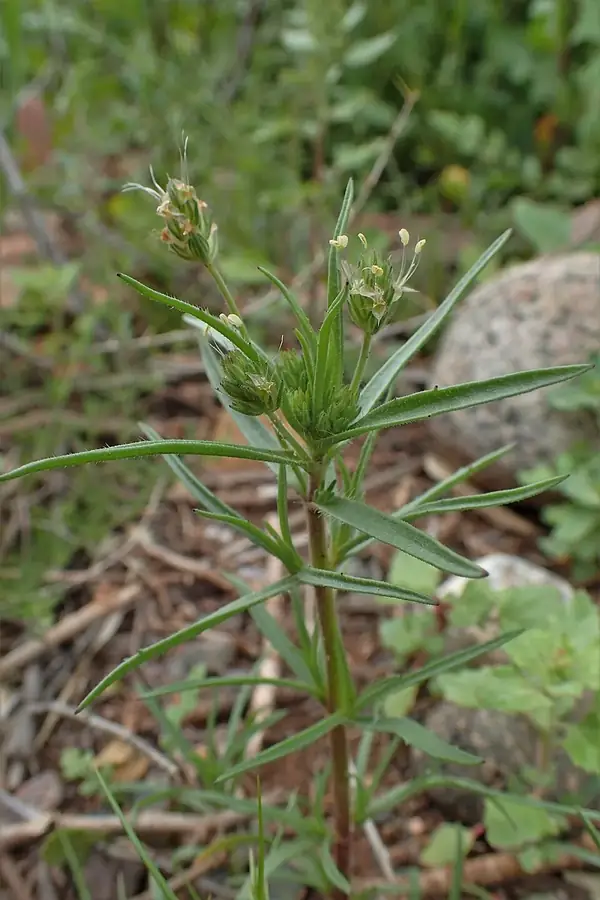
Well-established medicinal use according to the EMA. Clinical support rests mainly on ispaghula seeds and husks (Plantago ovata), because of the similarity of constituents; these are not demonstrated direct trials specific to Plantago afra.
Well-established medicinal use (EMA)
Obstruction is possible with insufficient water. Seek medical advice if constipation lasts beyond three days.
Discover the plantCnicus benedictus L.
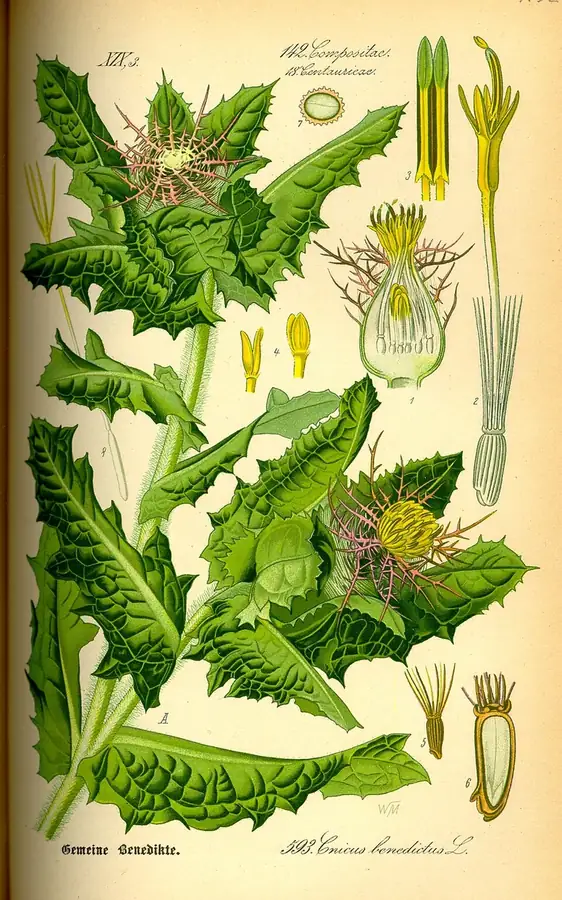
Traditional uses for temporary loss of appetite, dyspepsia and mild digestive spasms.
Traditional use
Do not confuse with milk thistle.
Discover the plantPlantago ovata
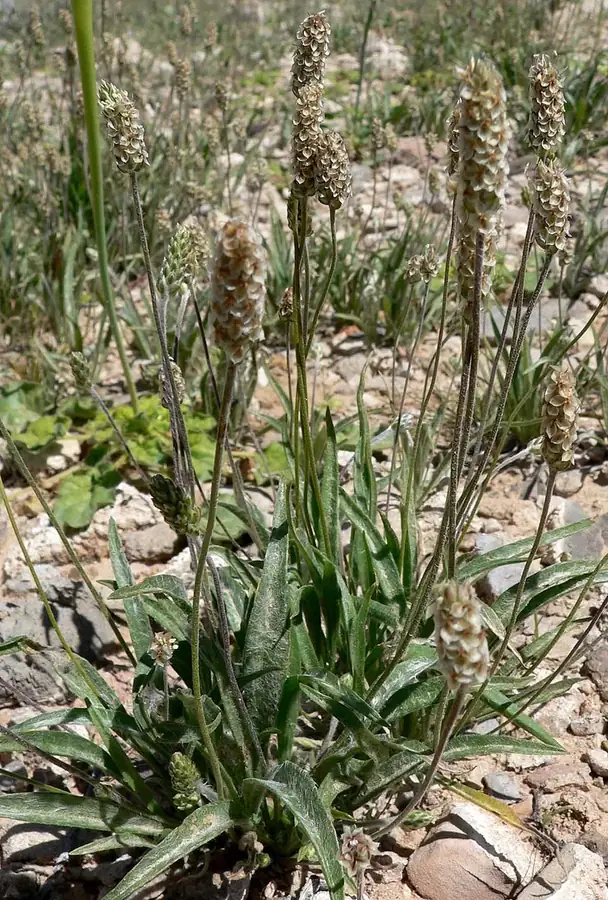
Seed husks: clinical data support their effect on constipation and stool softening.
Human studies
Pain, vomiting or persistent constipation: seek medical advice.
Discover the plantMenyanthes trifoliata L.
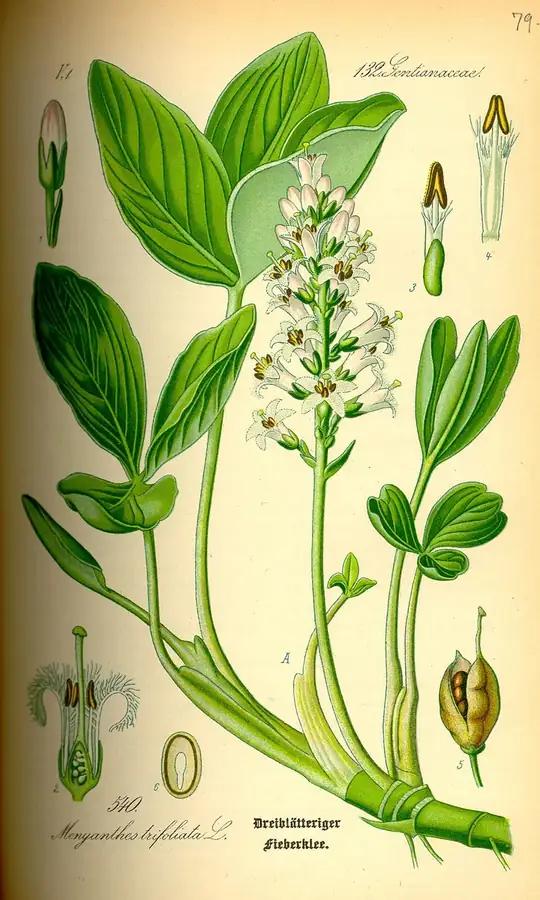
Traditional use for temporary loss of appetite, bloating and flatulence.
Traditional use
Persistent digestive disorders or a red and swollen joint: seek medical advice.
Discover the plantPeumus boldus Molina
Traditional use for indigestion and minor digestive spasms.
Traditional use
No essential oil for swallowing. Pain under the ribs or jaundice: seek medical advice.
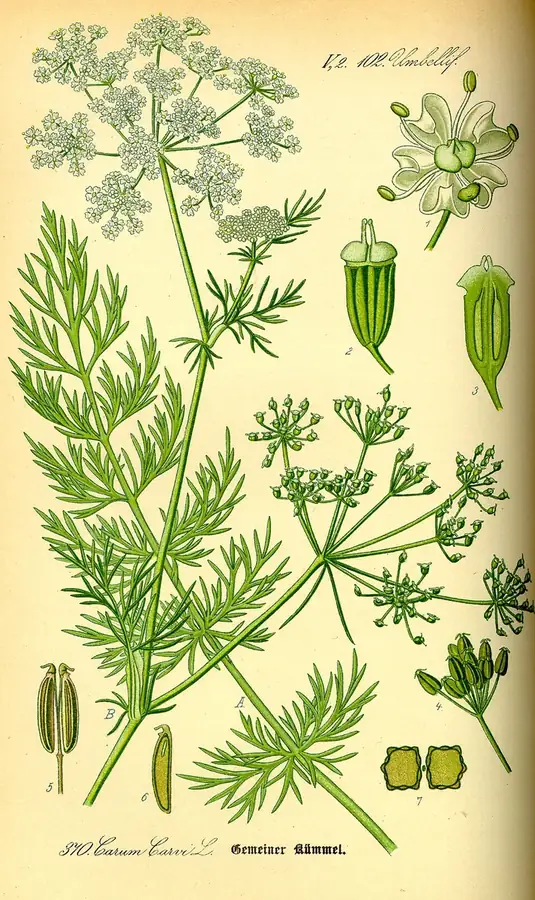
Discover the plantCarum carvi L.
Traditional digestive use; clinical effectiveness has not been demonstrated for all preparations.
Traditional use
Check for cross-allergies.
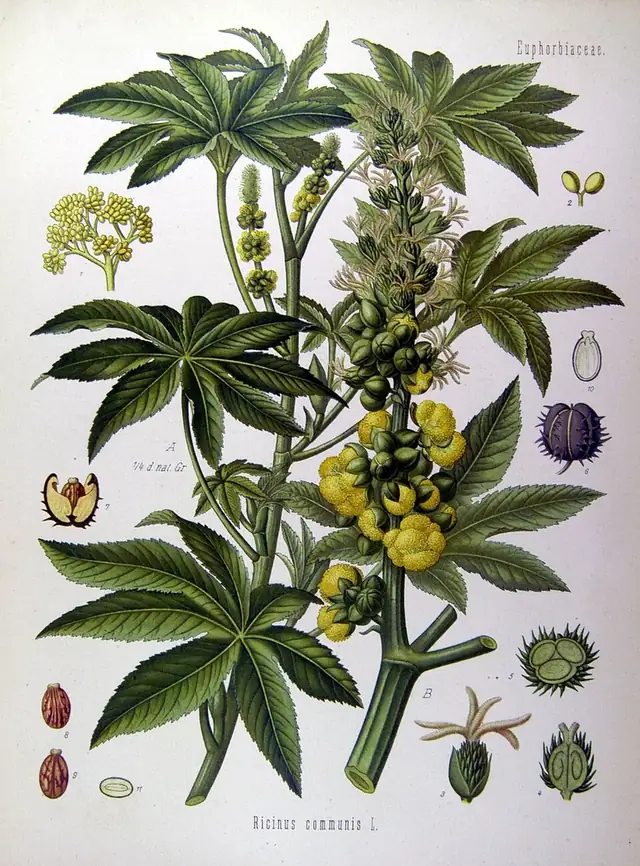
Discover the plantRicinus communis
Well-established use of pharmaceutical oil as a short-term laxative, after simpler measures have failed.
Human studies
Never use to induce labor; no prolonged course.
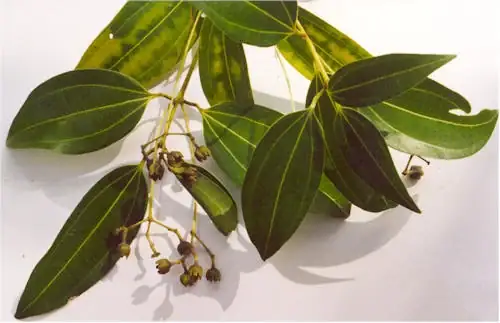
Discover the plantCinnamomum verum J. S. Presl
Traditional use for spasmodic discomfort, bloating and flatulence.
Traditional use
Check the species and form; essential oils are excluded from recipes.
Discover the plantGlycyrrhiza uralensis Fisch.
Use of the monographed group; the source does not demonstrate a benefit specific to each species.
Traditional use
Licorice may raise blood pressure and lower potassium.
Discover the plantRheum palmatum
Well-established medicinal use (EMA) of defined preparations for a short period; this recognition does not correspond to a body of robust direct trials of the species alone.
Well-established medicinal use (EMA)
Persistent constipation: investigate the cause; do not repeat treatment courses.
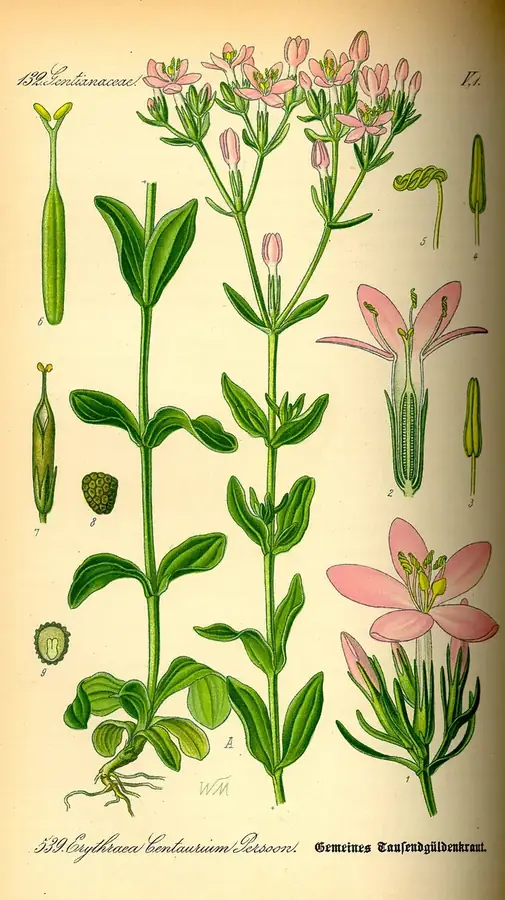
Discover the plantCentaurium erythraea Rafn.
Traditional uses for temporary loss of appetite and mild digestive complaints.
Traditional use
Avoid in cases of gastrointestinal ulcers.
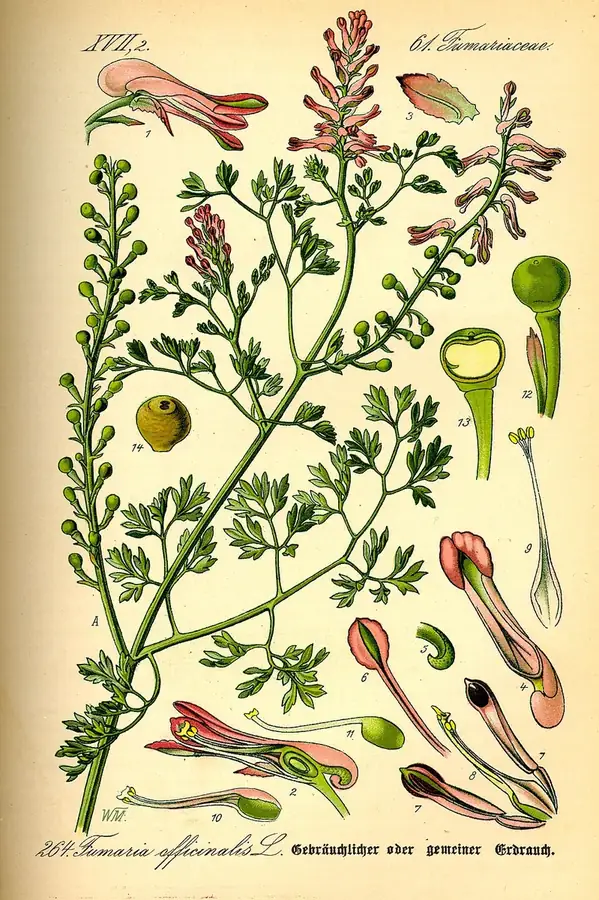
Discover the plantFumaria officinalis L.
Traditional use for heaviness after meals, slow digestion and flatulence.
Traditional use
Seek medical advice if symptoms worsen or persist beyond two weeks.
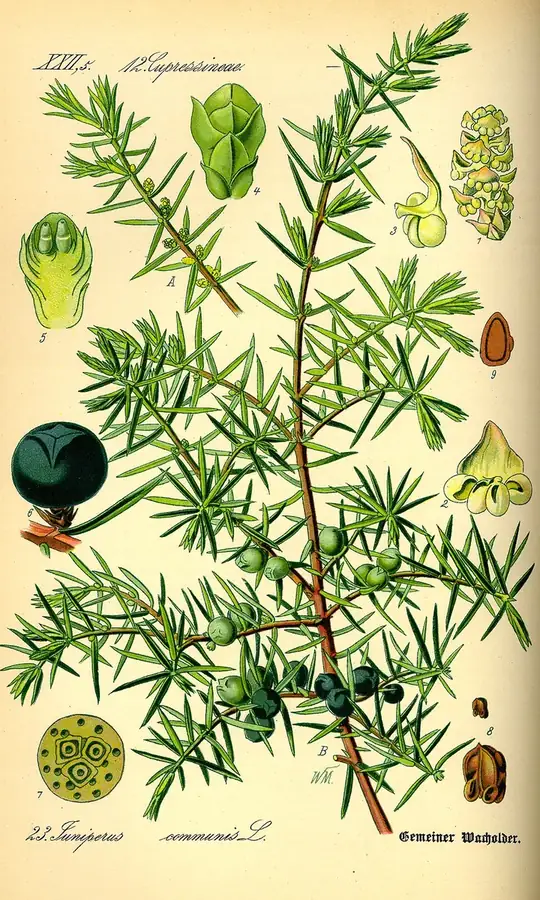
Discover the plantJuniperus communis L.
Traditional use of the pseudofruits for mild digestive complaints.
Traditional use
Fever, lower back pain, blood in the urine or difficulty urinating: seek medical advice promptly. Does not treat a urinary tract infection.
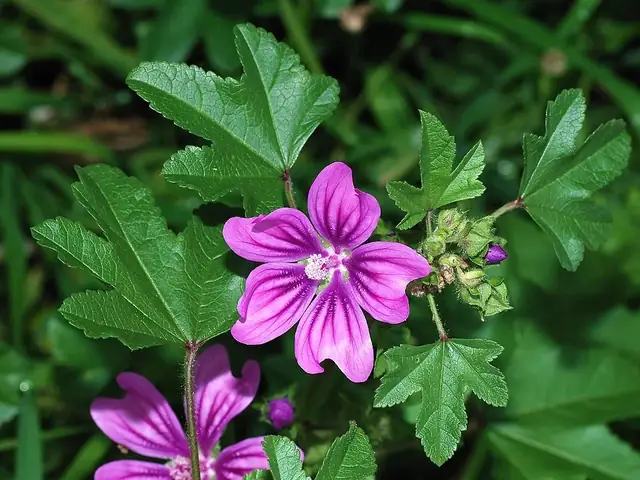
Discover the plantMalva sylvestris L.
Traditional use for irritation of the mouth or throat with a dry cough.
Traditional use
Seek medical advice if irritation lasts beyond one week, digestive discomfort beyond two weeks, or symptoms worsen.
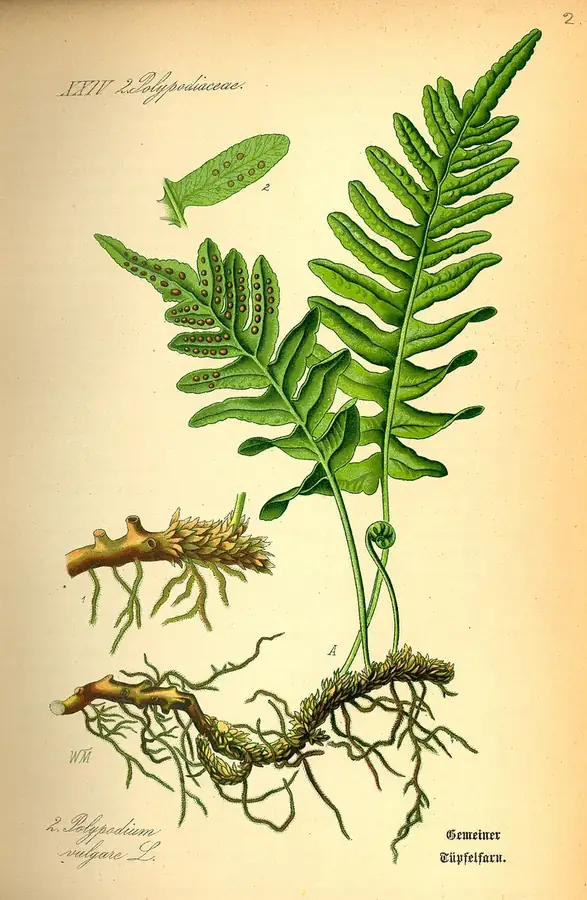
Discover the plantPolypodium vulgare
Expectorant with traditional use.
Traditional use
Fever, breathlessness or purulent sputum: seek medical advice.
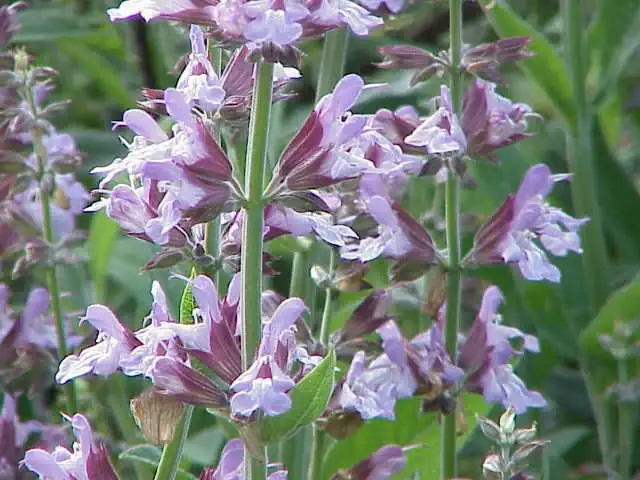
Discover the plantSalvia officinalis
Traditional uses for heartburn, bloating and excessive sweating.
Traditional use
Essential oil: unfavorable benefit–risk balance according to the EMA; do not ingest.
Discover the plantSideritis syriaca L.
Use of the monographed group; the source does not demonstrate a benefit specific to each species.
Traditional use
“Mountain tea” refers to several species: read the Latin name.
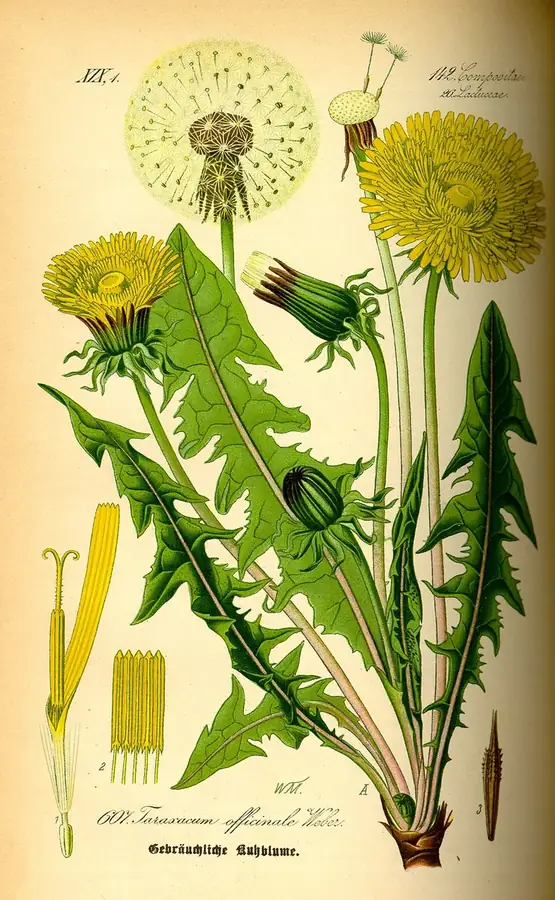
Discover the plantTaraxacum officinale
The EMA recognizes a traditional use for root preparations; the hypothesis of biliary stimulation calls for precautions in biliary tract disease.
Traditional use
Root only for this decoction. Biliary or liver disease: seek medical advice before use.
Discover the plant