SOLÉAHERBAL · THE LIVING HOUSE

SEARCH BY NEED

Plants related to your search.

Results present documented uses and their limitations. They do not provide a diagnosis.

3,100 plants in the herbarium My favourites

Documentary entries are excluded from searches by need.Understanding the profiles

Your herbarium, at your pace
32 results
Not specified in the sources consulted.
Use profile

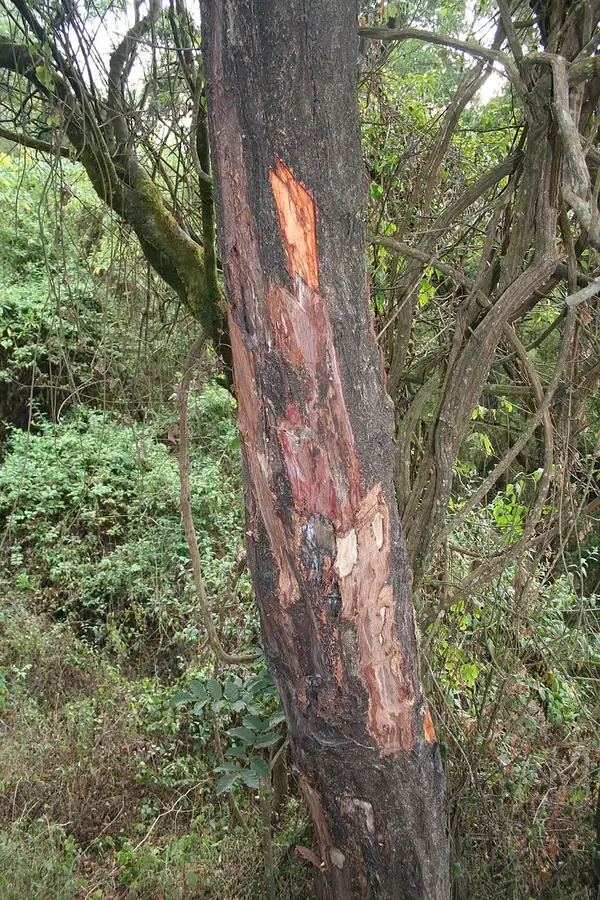
Prunus africana

African cherry

Prostate-related urinary symptoms

Why this plant?

Under “ Urinary comfort ”: Traditional use after a diagnosis of benign prostatic enlargement and exclusion of a serious disease by a doctor.

Traditional use

Urinary retention, blood, fever or pain: seek medical advice promptly.

View the profile
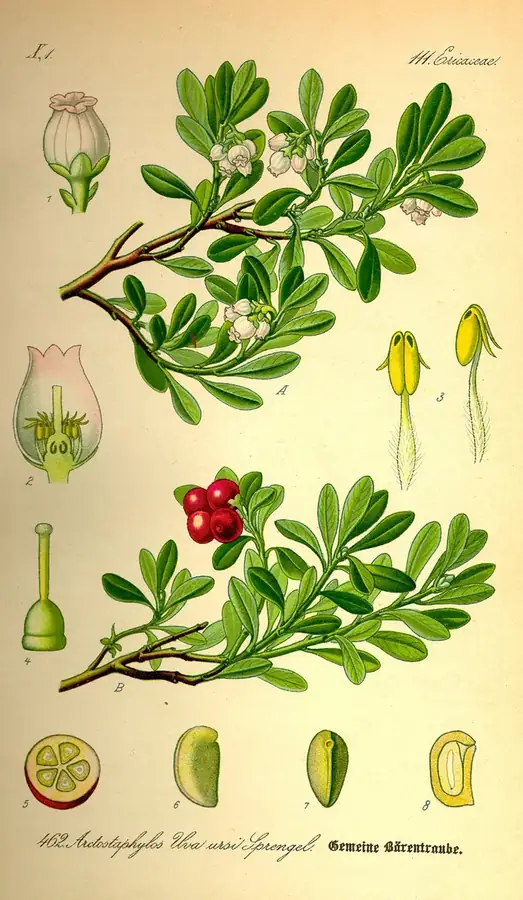
Ericaceae
Use profile

Arctostaphylos uva-ursi (L.) Spreng.

Bearberry

Mild recurrent urinary symptoms

Why this plant?

Under “ Urinary comfort ”: Traditional use in adult women for symptoms of mild recurrent lower urinary tract infections after medical exclusion of serious causes. It does not replace indicated antibiotics or treat kidney infection.

Traditional use

Fever, flank pain or blood in urine: seek prompt medical advice. Reassessment after 4 days of symptoms; do not replace an indicated antibiotic.

View the profile
Not specified in the sources consulted.
Use profile

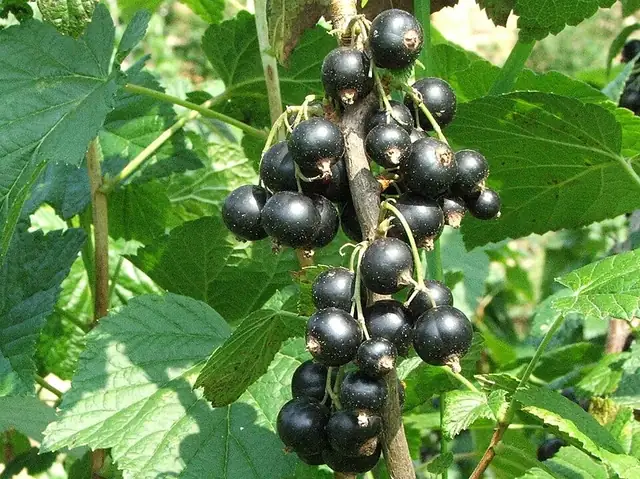
Ribes nigrum

Blackcurrant — leaf

Joints

Why this plant?

Under “ Urinary comfort ”: Traditional use promoting urine volume in minor complaints.

Traditional use

Red, swollen joint or fever; blood in the urine or urinary pain: seek medical advice.

View the profile
Not specified in the sources consulted.
Use profile

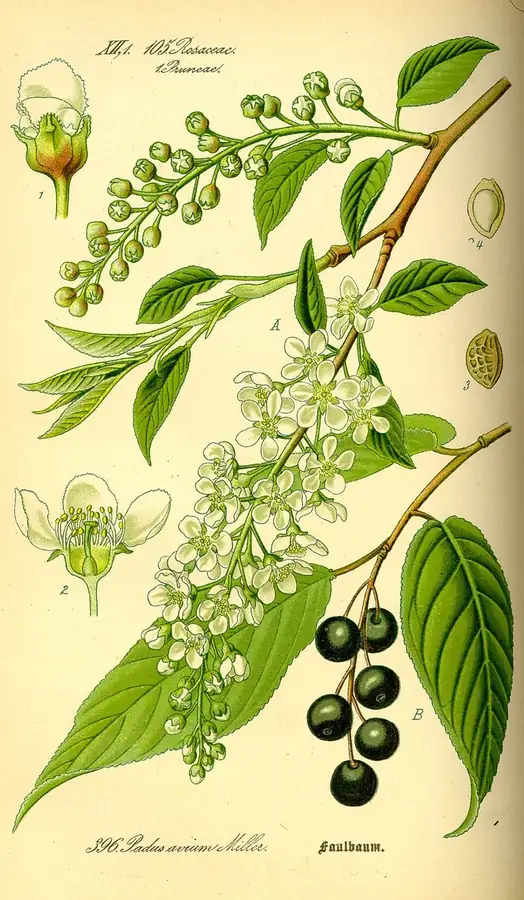
Prunus avium

Cherry tree — cherry stalks

Urinary comfort

Why this plant?

Under “ Urinary comfort ”: Traditional use for minor urinary complaints, combined with sufficient fluid intake.

Traditional use

Fever, painful urination, spasms or blood in the urine: seek medical advice.

View the profile
Fabaceae
Use profile

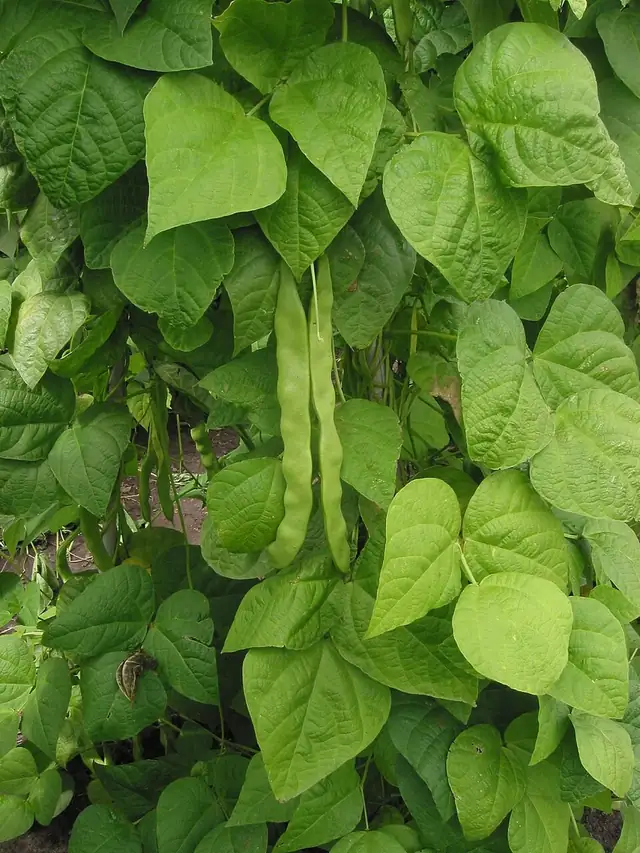
Phaseolus vulgaris L.

Common bean

Urinary elimination

Why this plant?

Under “ Urinary comfort ”: Traditional use of the pod to increase urine output in minor urinary complaints.

Traditional use

Fever, lower back pain, blood in the urine or difficulty urinating: seek medical advice promptly. Does not treat a urinary tract infection.

View the profile
Cupressaceae
Use profile

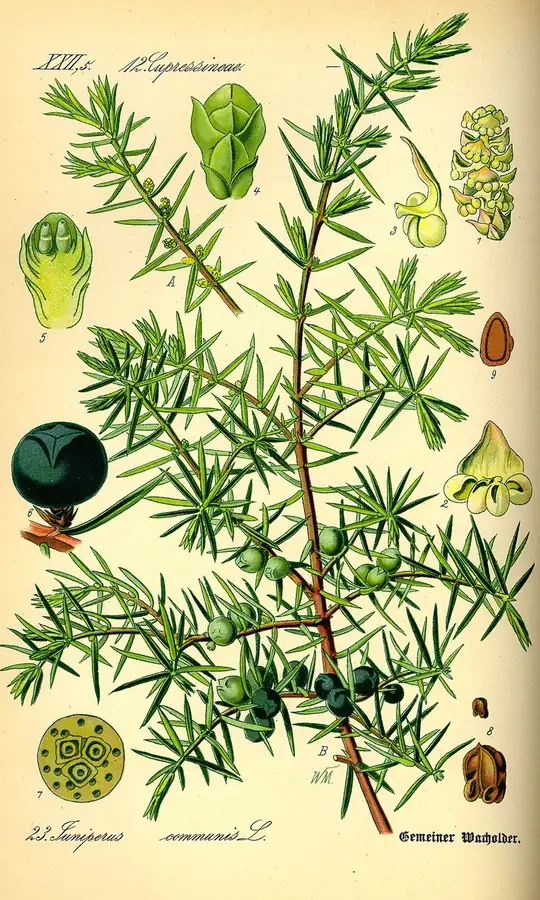
Juniperus communis L.

Common juniper

Digestive comfort

Why this plant?

Under “ Urinary comfort ”: Traditional adjunctive use; not suitable for kidney disease.

Traditional use

Fever, lower back pain, blood in the urine or difficulty urinating: seek medical advice promptly. Does not treat a urinary tract infection.

View the profile
Poaceae
Use profile

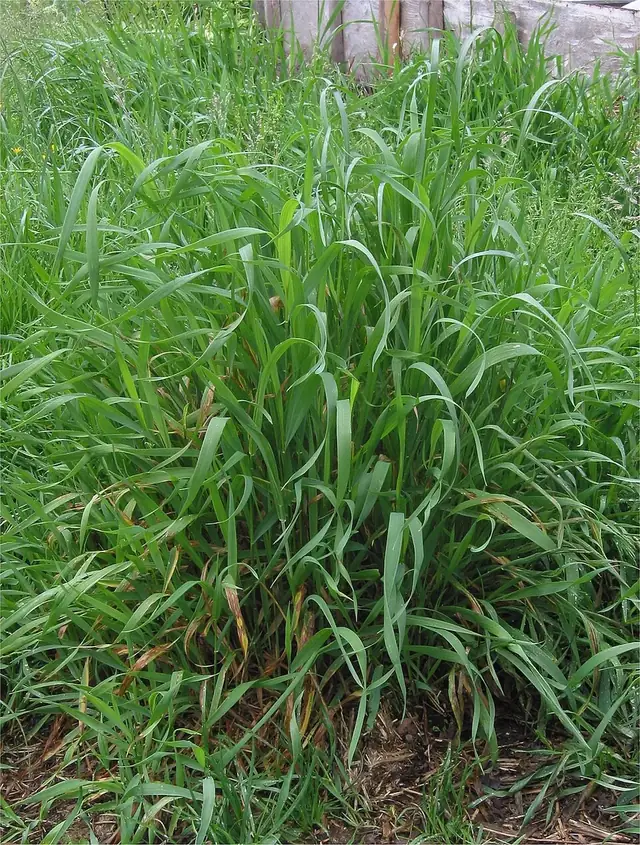
Agropyron repens (L.) P. Beauv.

Couch grass

Urinary elimination

Why this plant?

Under “ Urinary comfort ”: Traditional adjunctive use to increase urine volume in minor complaints; does not treat an infection on its own.

Traditional use

Fever, burning or blood in the urine: seek medical advice.

View the profile
Not specified in the sources consulted.
Use profile

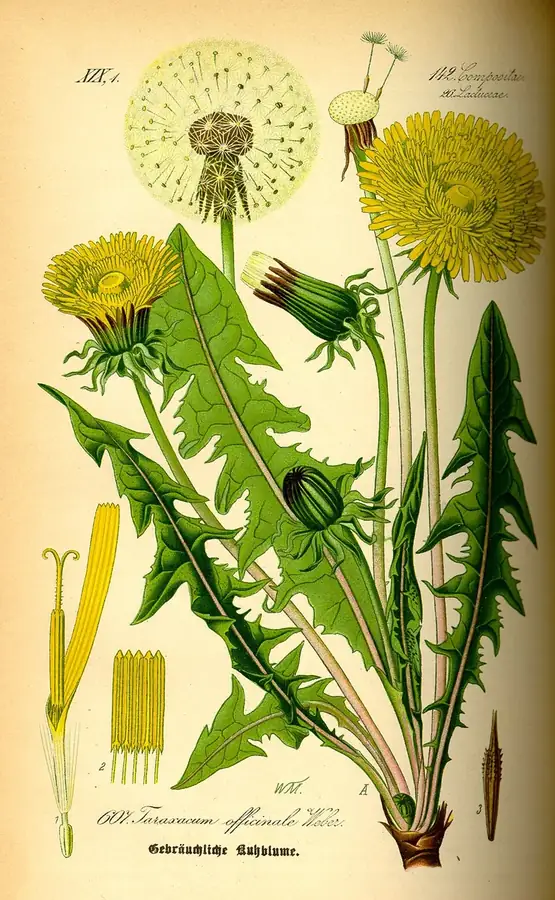
Taraxacum officinale

Dandelion

Digestion and appetite

Why this plant?

Under “ Urinary comfort ”: Traditional use aims to increase urine output with fluid intake, without demonstrated anti-infective action.

Traditional use

Root only for this decoction. Biliary or liver disease: seek medical advice before use.

View the profile
Family not detailed in the references for this profile.
Use profile

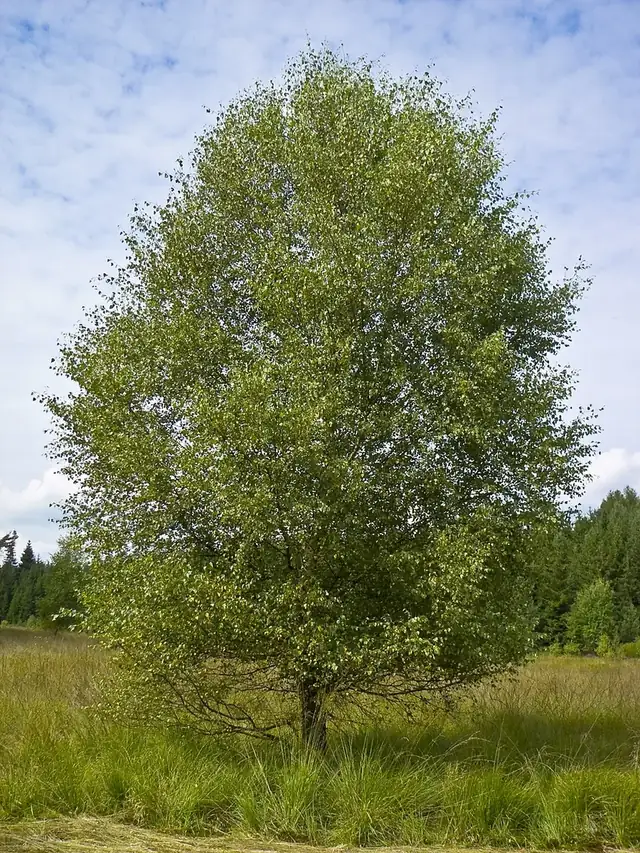
Betula pubescens Ehrh.

Downy birch

Traditional urinary elimination

Why this plant?

Under “ Urinary comfort ”: Use of the monographed group; the source does not demonstrate a benefit specific to each species.

Traditional use

Fever, pain or blood in the urine: seek medical advice.

View the profile
Oleaceae
Use profile

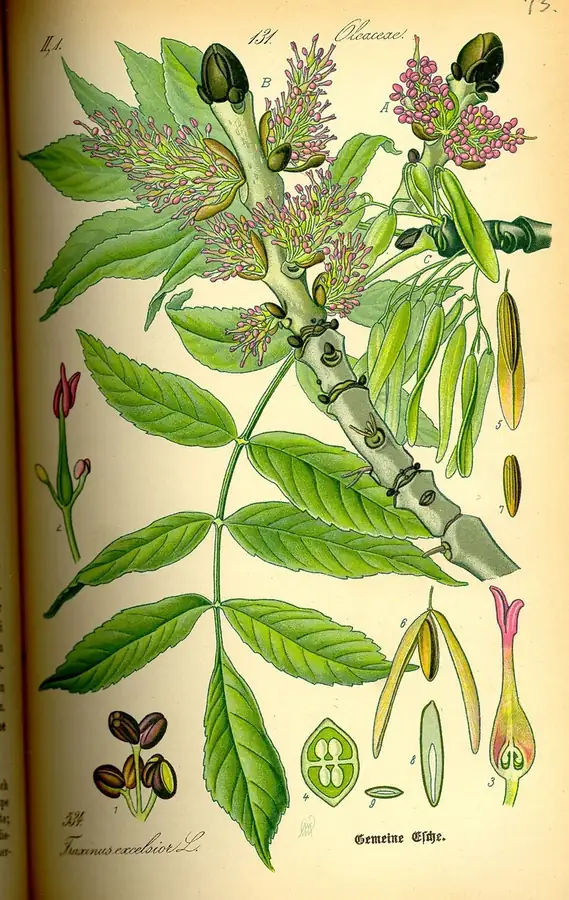
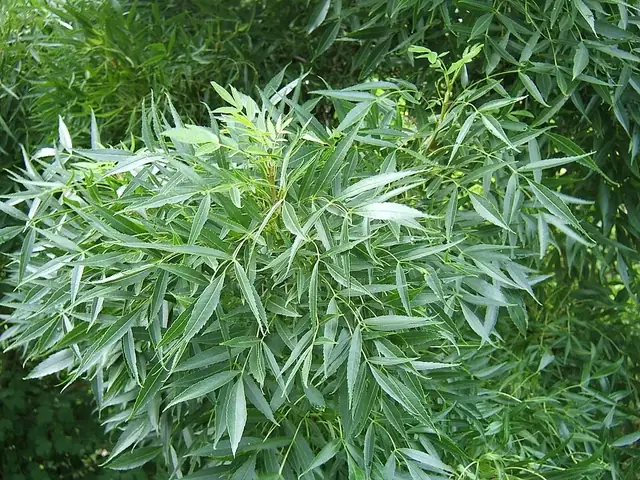
Fraxinus excelsior L.

European ash

Minor joint pain

Why this plant?

Under “ Urinary comfort ”: Traditional adjunctive use for minor urinary complaints.

Traditional use

Fever, lower back pain, blood in the urine or difficulty urinating: seek medical advice promptly. Does not treat a urinary tract infection. A red, swollen joint or fever: seek medical advice.

View the profile
Equisetaceae
Use profile

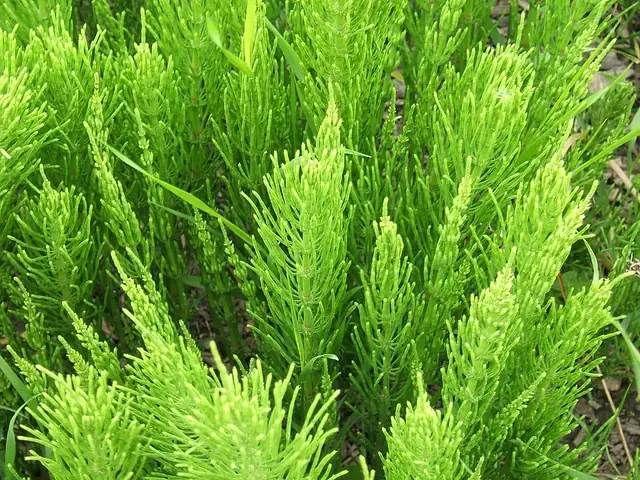
Equisetum arvense L.

Field horsetail

Urinary elimination

Why this plant?

Under “ Urinary comfort ”: Traditional adjunctive use to increase urine volume in minor complaints.

Traditional use

Identify Equisetum arvense precisely; do not harvest based on a photo alone.

View the profile
Family not detailed in the references for this profile.
Use profile

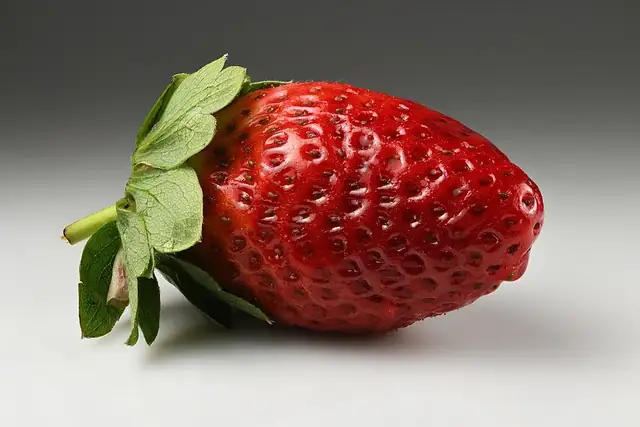
Fragaria × ananassa (Duchesne ex Weston) Duchesne ex Rozier

Garden strawberry

Mild diarrhea or urinary drainage

Why this plant?

Under “ Urinary comfort ”: Comminuted leaves as herbal tea: traditional group uses for mild diarrhoea or minor urinary symptoms with adequate fluids. Fruits and other preparations are not covered; species-specific benefit is unproven.

Traditional use

Diarrhea with fever or blood, painful urinary symptoms: seek medical advice.

View the profile
Asteraceae
Use profile

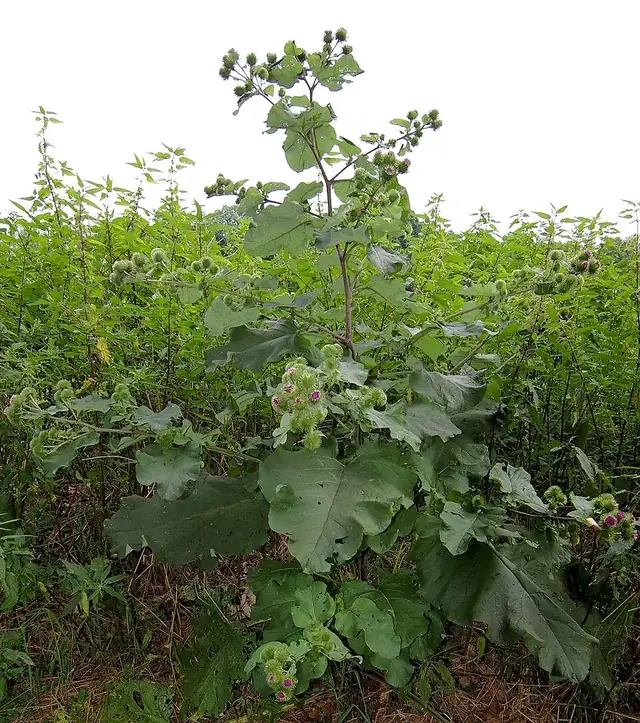
Arctium lappa L.

Greater burdock

Urinary elimination

Why this plant?

Under “ Urinary comfort ”: Traditional adjunctive use for minor urinary problems.

Traditional use

Fever, urinary pain or worsening symptoms: seek medical advice.

View the profile
Family not detailed in the references for this profile.
Use profile

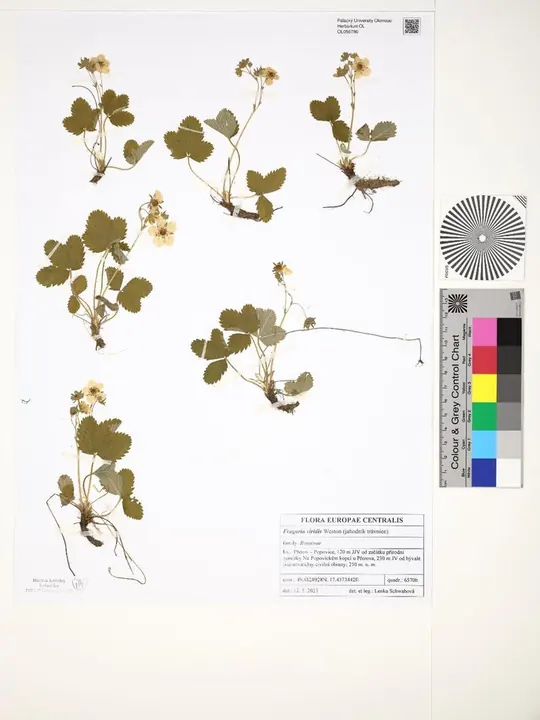
Fragaria viridis Weston

Green strawberry

Mild diarrhea or urinary drainage

Why this plant?

Under “ Urinary comfort ”: Comminuted leaves as herbal tea: traditional group uses for mild diarrhoea or minor urinary symptoms with adequate fluids. Fruits and other preparations are not covered; species-specific benefit is unproven.

Traditional use

Diarrhea with fever or blood, painful urinary symptoms: seek medical advice.

View the profile
Family not detailed in the references for this profile.
Use profile

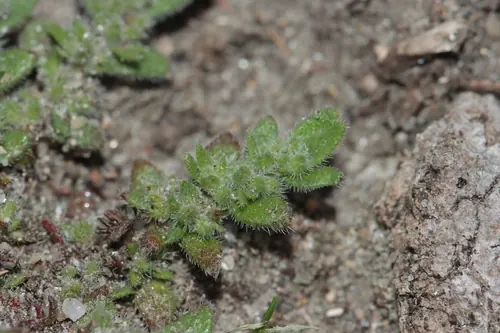
Herniaria hirsuta L.

Hairy rupturewort

Traditional urinary elimination

Why this plant?

Under “ Urinary comfort ”: Increasing urine output alongside minor urinary complaints; does not treat an infection.

Traditional use

Fever, blood in the urine or pain: seek medical advice.

View the profile
Family not detailed in the references for this profile.
Use profile

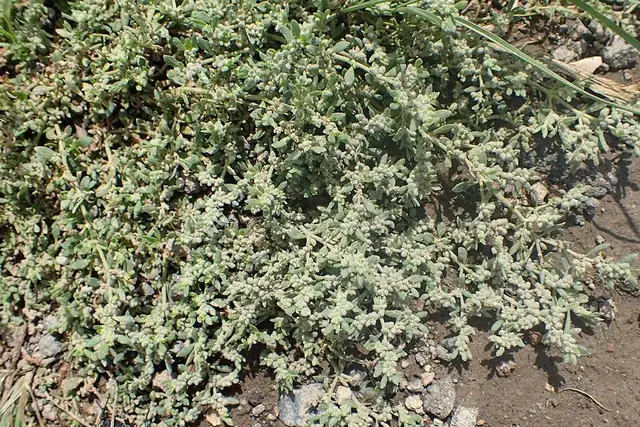
Herniaria incana Lam.

Herniaria incana

Traditional urinary elimination

Why this plant?

Under “ Urinary comfort ”: Increasing urine output alongside minor urinary complaints; does not treat an infection.

Traditional use

Fever, blood in the urine or pain: seek medical advice.

View the profile
Apiaceae
Use profile

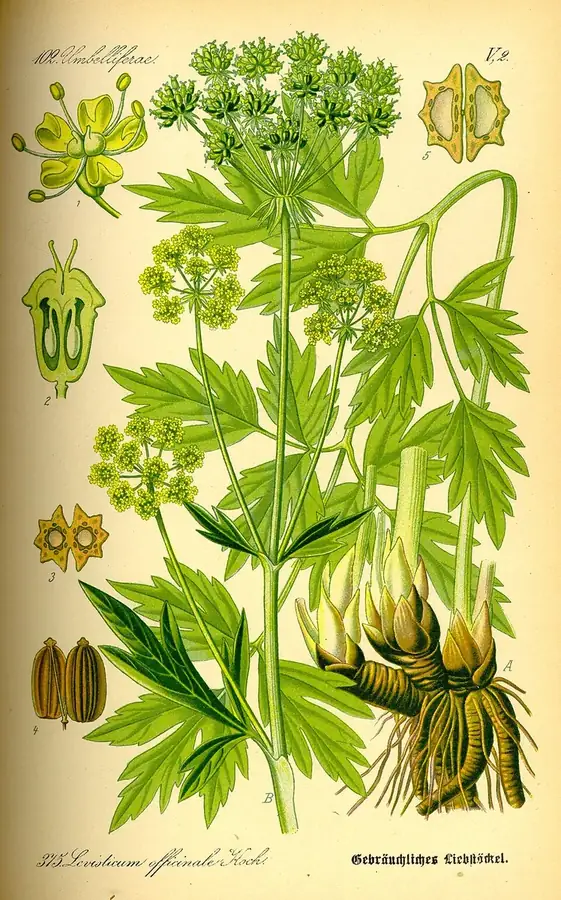
Levisticum officinale W.D.J.Koch

Lovage

Urinary elimination

Why this plant?

Under “ Urinary comfort ”: Traditional adjunctive use for minor urinary complaints.

Traditional use

Fever, lower back pain, blood in the urine or difficulty urinating: seek medical advice promptly. Does not treat a urinary tract infection.

View the profile
Aquifoliaceae
Use profile

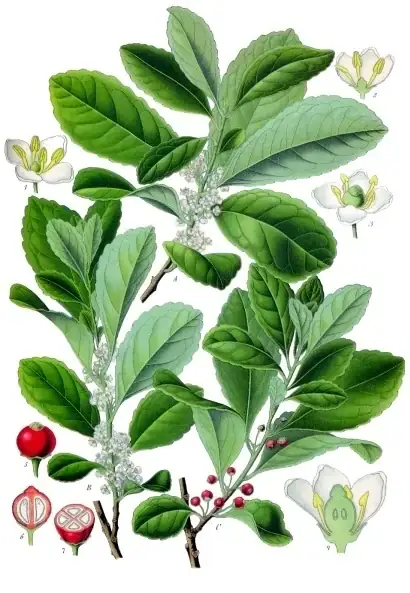
Ilex paraguariensis A.St.-Hil.

Maté

Temporary fatigue

Why this plant?

Under “ Urinary comfort ”: Traditional adjunctive use; does not treat an infection.

Traditional use

Palpitations or persistent fatigue: investigate the cause without increasing intake.

View the profile
Asteraceae
Use profile

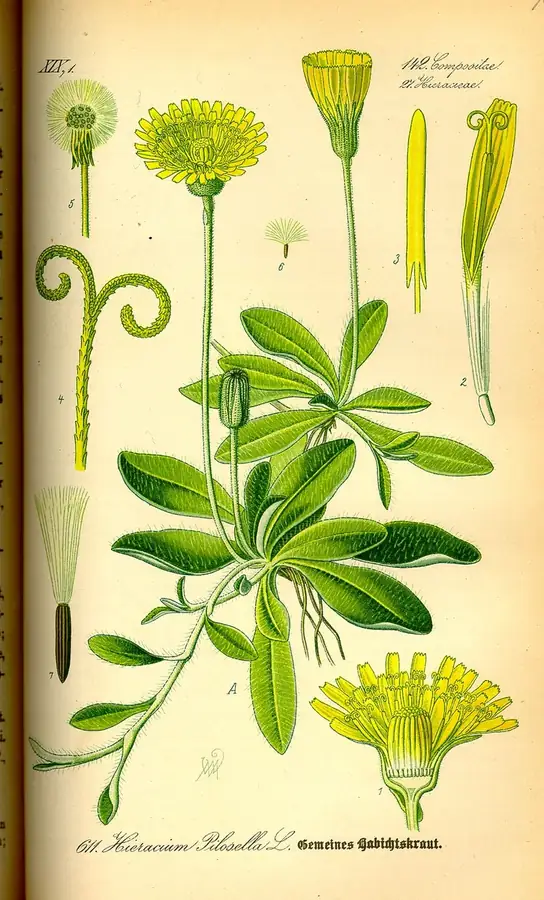
Hieracium pilosella L.

Mouse-ear hawkweed

Urinary elimination

Why this plant?

Under “ Urinary comfort ”: Traditional use as a mild diuretic for minor urinary problems.

Traditional use

Fever, lower back pain, blood in the urine or difficulty urinating: seek medical advice promptly. Does not treat a urinary tract infection.

View the profile
Family not detailed in the references for this profile.
Use profile

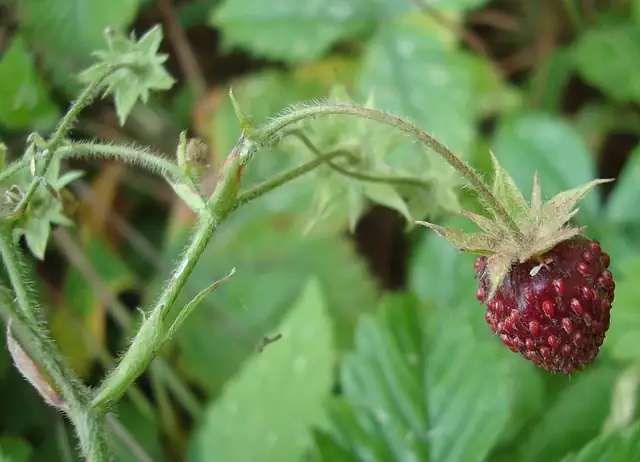
Fragaria moschata Weston

Musk strawberry

Mild diarrhea or urinary drainage

Why this plant?

Under “ Urinary comfort ”: Comminuted leaves as herbal tea: traditional group uses for mild diarrhoea or minor urinary symptoms with adequate fluids. Fruits and other preparations are not covered; species-specific benefit is unproven.

Traditional use

Diarrhea with fever or blood, painful urinary symptoms: seek medical advice.

View the profile
Family not detailed in the references for this profile.
Use profile

Fraxinus angustifolia Vahl

Narrow-leaved ash

Minor joint pain

Why this plant?

Under “ Urinary comfort ”: Use of the monographed group; the source does not demonstrate a benefit specific to each species.

Traditional use

Swollen joint or urinary symptoms with fever: seek medical advice.

View the profile
Oleaceae
Use profile

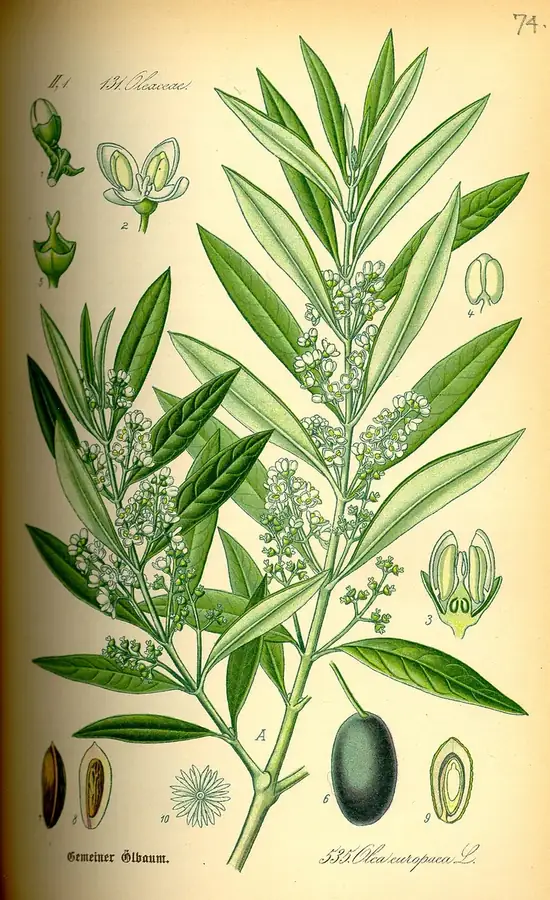
Olea europaea L.

Olive tree

Mild water retention

Why this plant?

Under “ Urinary comfort ”: Traditional use to promote renal elimination, after medical exclusion of a serious cause.

Traditional use

Unexplained edema requires a diagnosis. No treatment for hypertension is proposed here.

View the profile
Lamiaceae
Use profile

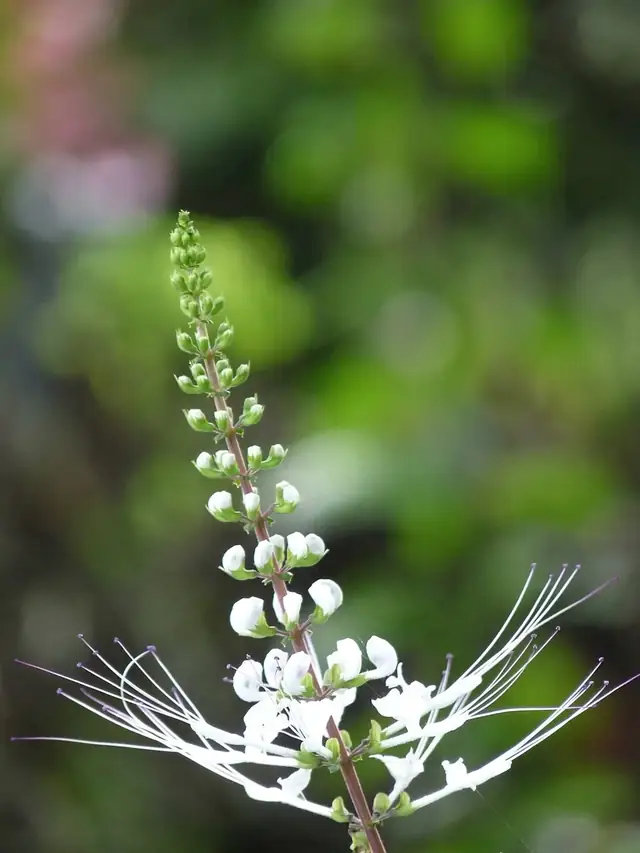
Orthosiphon aristatus (Blume) Miq. var. aristatus

Orthosiphon

Urinary elimination

Why this plant?

Under “ Urinary comfort ”: Traditional adjunctive use to increase urine output in minor urinary complaints.

Traditional use

Fever, lower back pain, blood in the urine or difficulty urinating: seek medical advice promptly. Does not treat a urinary tract infection.

View the profile
Cucurbitaceae
Use profile

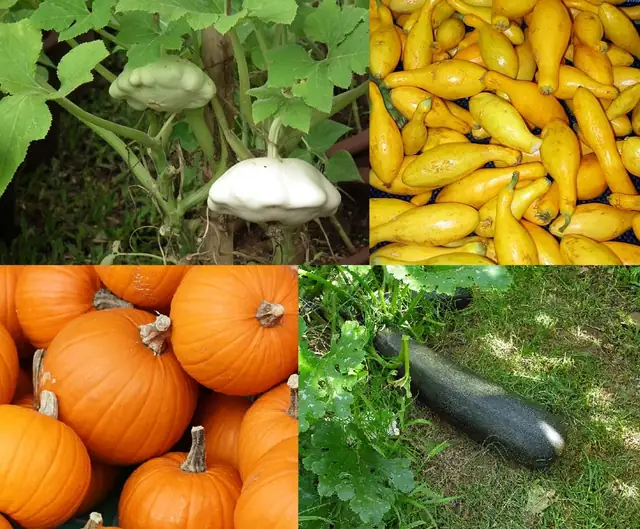
Cucurbita pepo L.

Pumpkin

Urinary comfort

Why this plant?

Under “ Urinary comfort ”: Traditional use for urinary problems associated with benign prostate enlargement or an overactive bladder, after serious causes have been medically excluded.

Traditional use

Blood in the urine, pain or urinary retention: seek medical advice.

View the profile
WhatsApp Appointments