SOLÉAHERBAL · THE LIVING HOUSE

SEARCH BY NEED

Plants related to your search.

Results present documented uses and their limitations. They do not provide a diagnosis.

3,100 plants in the herbarium My favourites

Documentary entries are excluded from searches by need.Understanding the profiles

Your herbarium, at your pace
23 results
Rosaceae
Use profile

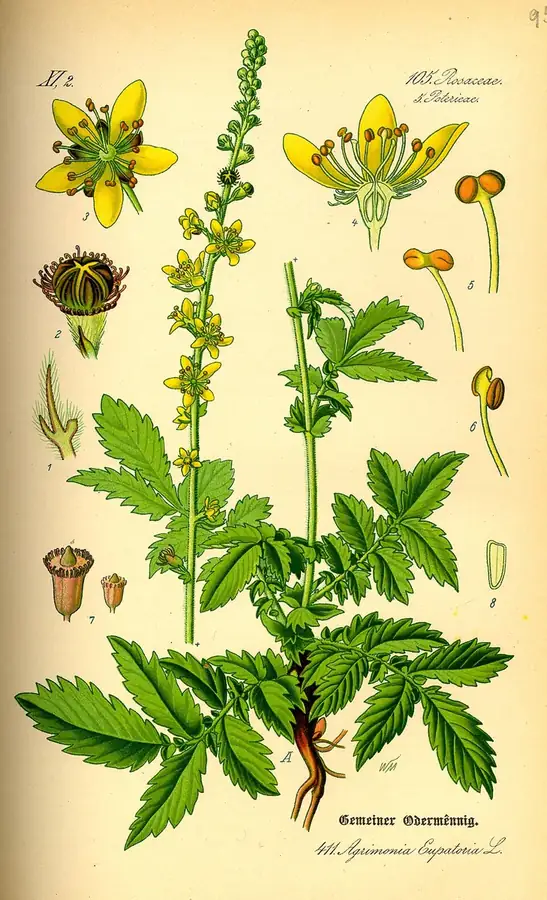
Agrimonia eupatoria L.

Agrimony

Mild diarrhea

Why this plant?

Under “ Mouth & throat ”: Traditional local use for minor inflammation of the mouth or skin and superficial wounds.

Traditional use

Blood in the stool, dehydration or worsening symptoms: seek medical advice.

View the profile
Family not detailed in the references for this profile.
Use profile

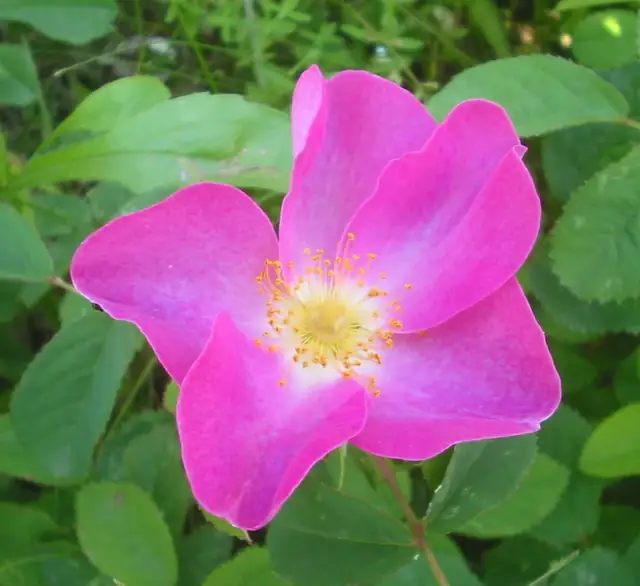
Rosa gallica L.

Apothecary's rose

Minor irritation of the skin, mouth and throat

Why this plant?

Under “ Mouth & throat ”: Traditional local use of a petal infusion, as a mouth rinse or skin application, for minor inflammation. Scented water, hydrosol and essential oil are not equivalent preparations.

Traditional use

The petal monograph does not validate the essential oil or hydrosol.

View the profile
Not specified in the sources consulted.
Use profile

Vaccinium myrtillus

Bilberry

Heavy legs

Why this plant?

Under “ Mouth & throat ”: Traditional uses of dried ripe fruit. Mouth preparations are spat out; they are distinct from fresh-fruit extracts.

Traditional use

Seek medical advice if symptoms persist beyond two weeks; no prolonged unsupervised use.

View the profile
Not specified in the sources consulted.
Use profile

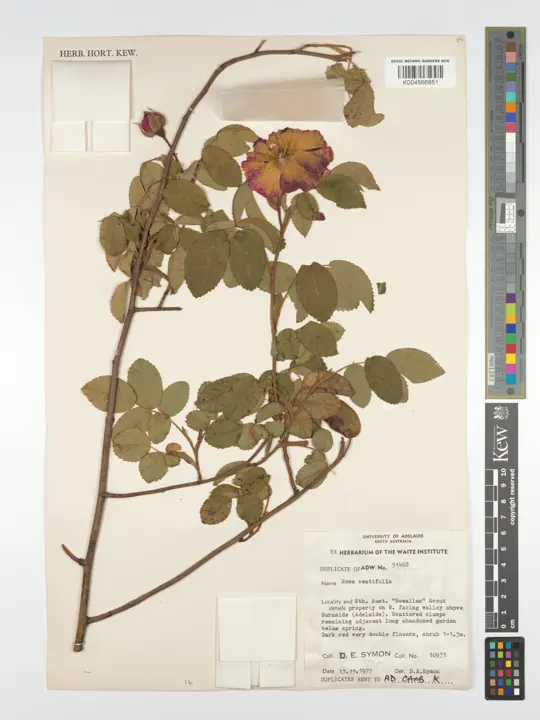
Rosa centifolia

Cabbage rose

Mouth and throat

Why this plant?

Under “ Mouth & throat ”: Traditional local use of a petal infusion as a mouth rinse for mild mouth and throat inflammation; this is not an indication to drink rose water.

Traditional use

The hydrosol and essential oil are not validated by the petal monograph.

View the profile
Asteraceae
Use profile

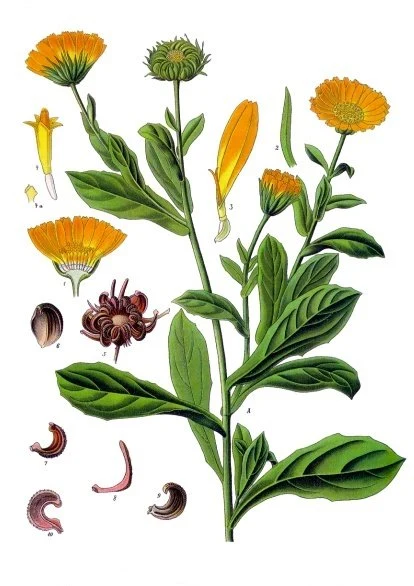
Calendula officinalis L.

Calendula — pot marigold

Minor skin irritations

Why this plant?

Under “ Mouth & throat ”: Traditional use of oromucosal preparations for minor inflammation of the mouth or throat.

Traditional use

Allergies are possible. Seek medical advice for signs of infection, worsening or persistence beyond one week.

View the profile
Not specified in the sources consulted.
Use profile

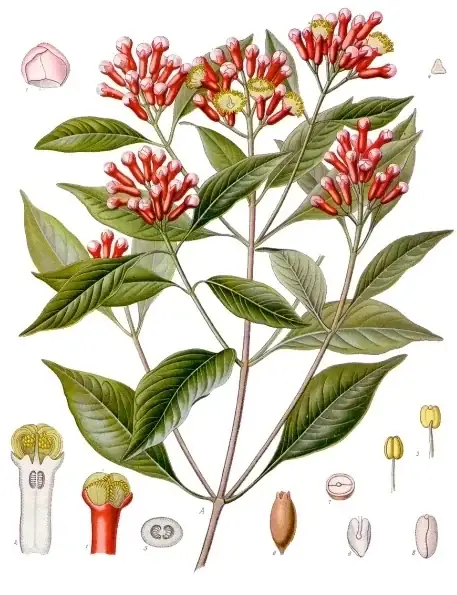
Syzygium aromaticum

Clove tree

Temporary toothache

Why this plant?

Under “ Mouth & throat ”: Traditional use of an essential oil preparation for pain related to tooth decay while awaiting dental care.

Traditional use

Neither ingestion of essential oil nor undiluted application is recommended.

View the profile
Malvaceae
Use profile

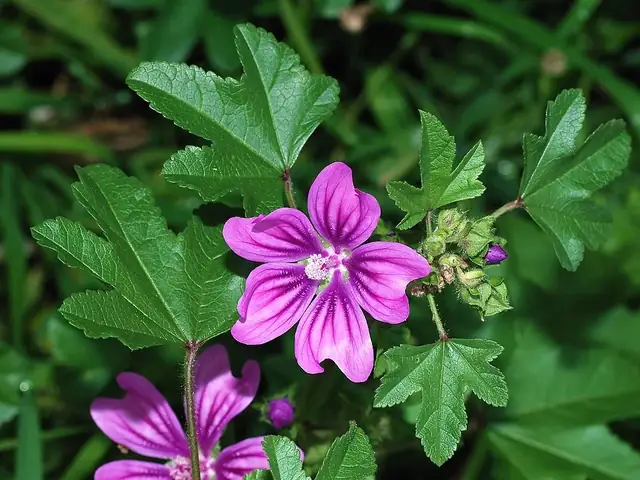
Malva sylvestris L.

Common mallow

Irritated throat

Why this plant?

Under “ Mouth & throat ”: Traditional use for irritation of the mouth or throat with a dry cough.

Traditional use

Seek medical advice if irritation lasts beyond one week, digestive discomfort beyond two weeks, or symptoms worsen.

View the profile
Not specified in the sources consulted.
Use profile

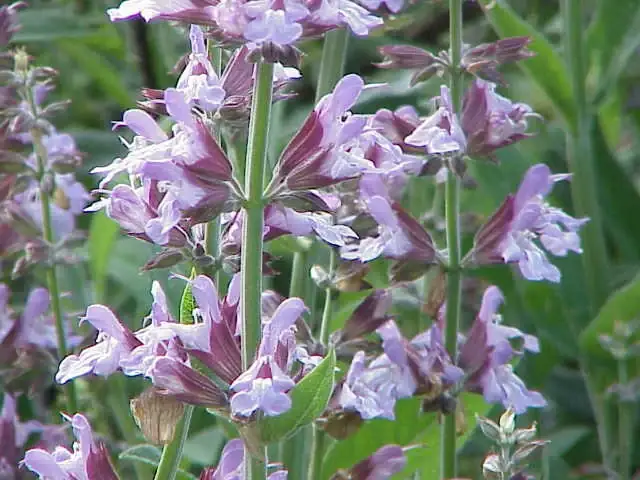
Salvia officinalis

Common sage

Digestion and sweating

Why this plant?

Under “ Mouth & throat ”: Traditional use for minor inflammation of the mouth, throat or skin.

Traditional use

Essential oil: unfavorable benefit–risk balance according to the EMA; do not ingest.

View the profile
Family not detailed in the references for this profile.
Use profile

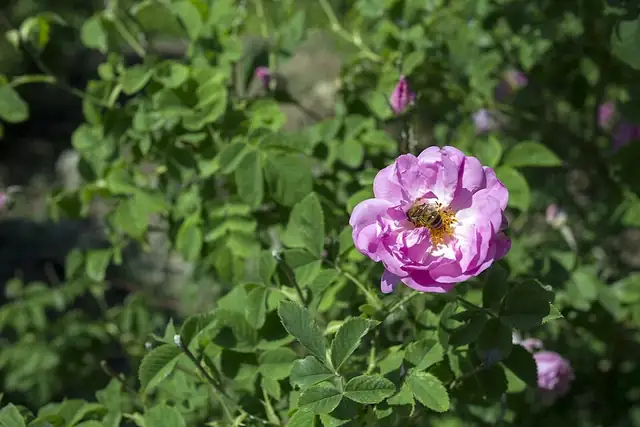
Rosa × damascena Mill.

Damask rose

Minor irritation of the skin, mouth and throat

Why this plant?

Under “ Mouth & throat ”: Traditional local use of a petal infusion, as a mouth rinse or skin application, for minor inflammation. Scented water, hydrosol and essential oil are not equivalent preparations.

Traditional use

The petal monograph does not validate the essential oil or hydrosol.

View the profile
Family not detailed in the references for this profile.
Use profile

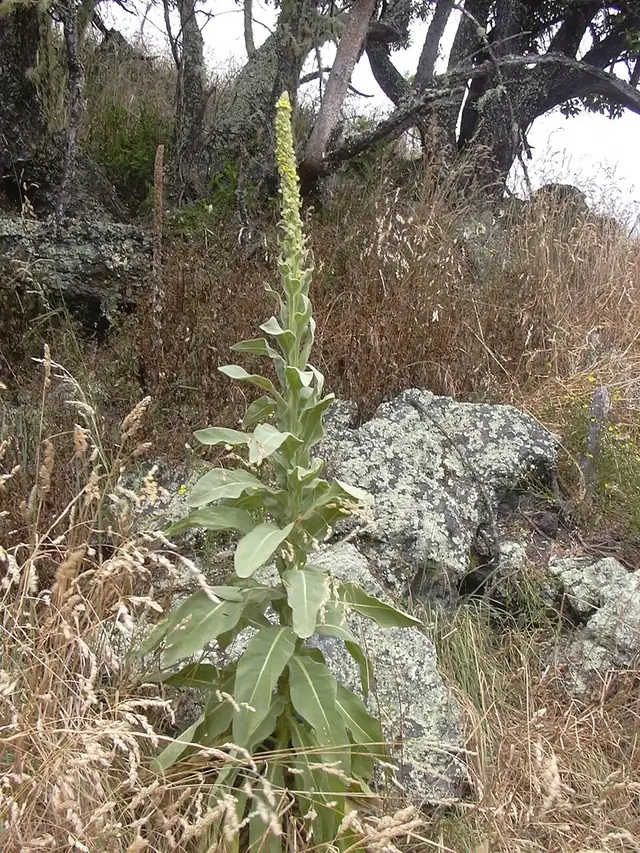
Verbascum densiflorum Bertol.

Dense-flowered mullein

Irritated throat with dry cough from a cold

Why this plant?

Under “ Mouth & throat ”: Flowers as herbal tea: traditional relief of sore throat with dry cough and cold. The three monographed species are covered; efficacy specific to this species alone is not established.

Traditional use

Seek medical advice if the cough worsens, with fever or shortness of breath.

View the profile
Family not detailed in the references for this profile.
Use profile

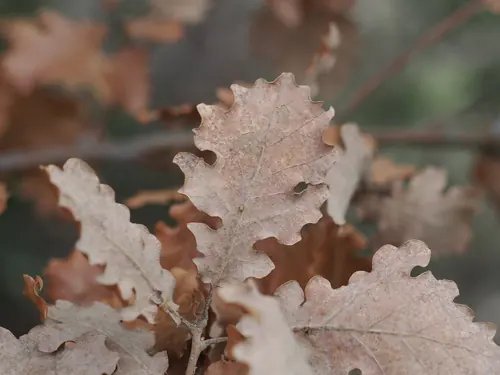
Quercus pubescens Willd.

Downy oak

Mild diarrhea

Why this plant?

Under “ Mouth & throat ”: Traditional local use of bark preparations for minor mouth or skin inflammation. Oral use is not interchangeable.

Traditional use

Diarrhoea with blood or fever: seek medical advice without delay.

View the profile
Family not detailed in the references for this profile.
Use profile

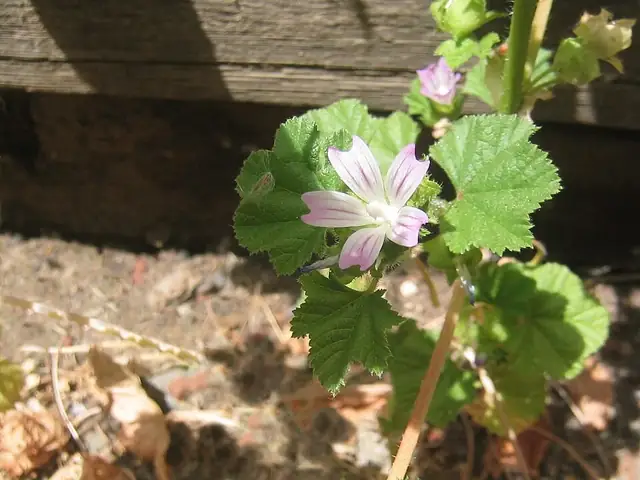
Malva neglecta Wallr.

Dwarf mallow

Oral irritation or dry cough

Why this plant?

Under “ Mouth & throat ”: Use of the monographed group; the source does not demonstrate a benefit specific to each species.

Traditional use

This profile concerns the leaf, not the flower of common mallow.

View the profile
Not specified in the sources consulted.
Use profile

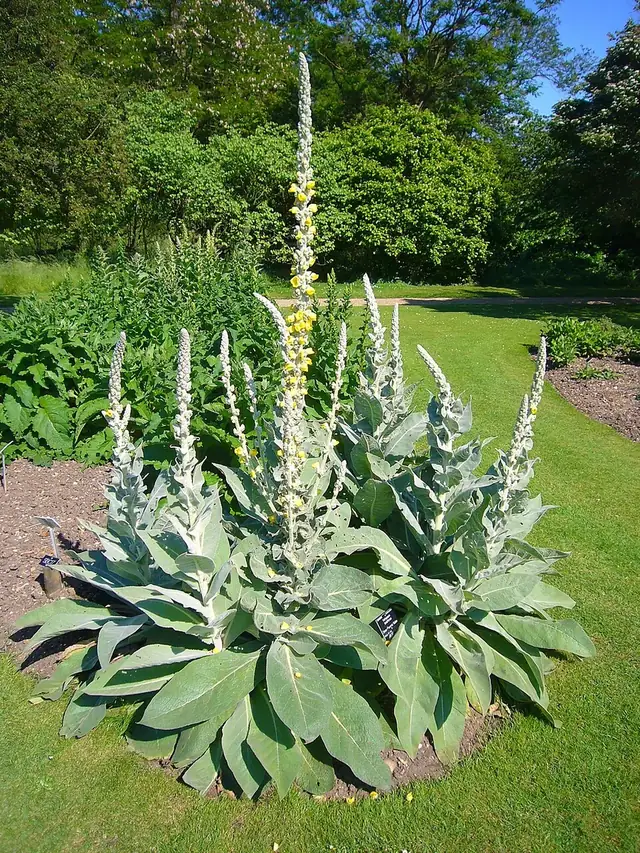
Verbascum thapsus

Great mullein

Throat and dry cough

Why this plant?

Under “ Mouth & throat ”: Flowers as herbal tea: traditional relief of sore throat with dry cough and cold. The three monographed species are covered; efficacy specific to this species alone is not established.

Traditional use

Shortness of breath, fever or purulent sputum: seek medical advice.

View the profile
Malvaceae
Use profile

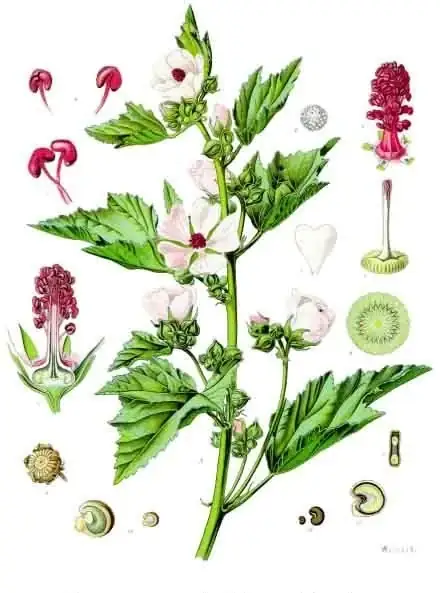
Althaea officinalis L.

Marshmallow

Throat and dry cough

Why this plant?

Under “ Mouth & throat ”: Traditional use for irritation of the mouth/throat and the associated dry cough.

Traditional use

A cough with fever or breathing difficulty requires medical advice.

View the profile
Burseraceae
Use profile

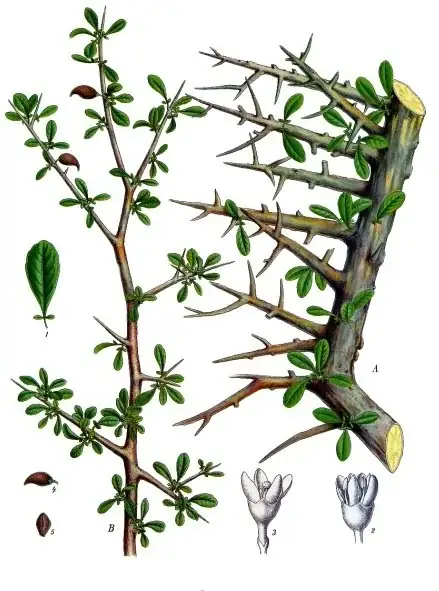
Commiphora molmol Engler

Myrrh

Minor oral and skin lesions

Why this plant?

Under “ Mouth & throat ”: Traditional uses for minor mouth ulcers/inflammation, small wounds and minor boils.

Traditional use

Seek medical advice if symptoms persist for more than one week or worsen.

View the profile
Family not detailed in the references for this profile.
Use profile

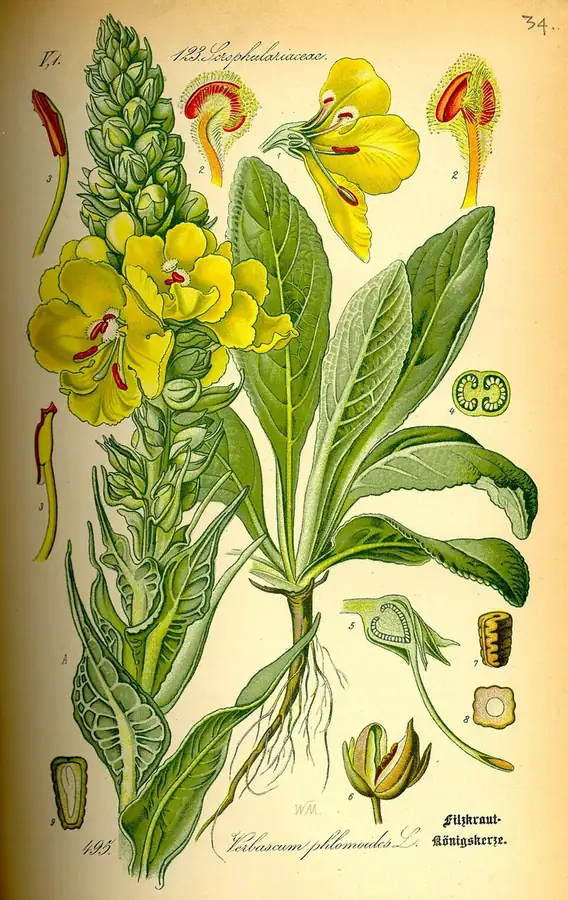
Verbascum phlomoides L.

Orange mullein

Irritated throat with dry cough from a cold

Why this plant?

Under “ Mouth & throat ”: Flowers as herbal tea: traditional relief of sore throat with dry cough and cold. The three monographed species are covered; efficacy specific to this species alone is not established.

Traditional use

Seek medical advice if the cough worsens, with fever or shortness of breath.

View the profile
Not specified in the sources consulted.
Use profile

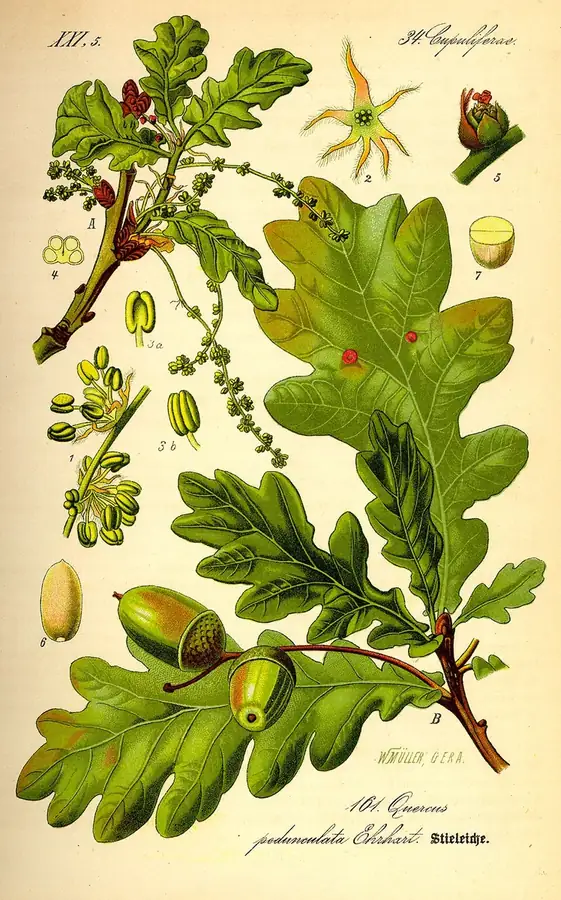
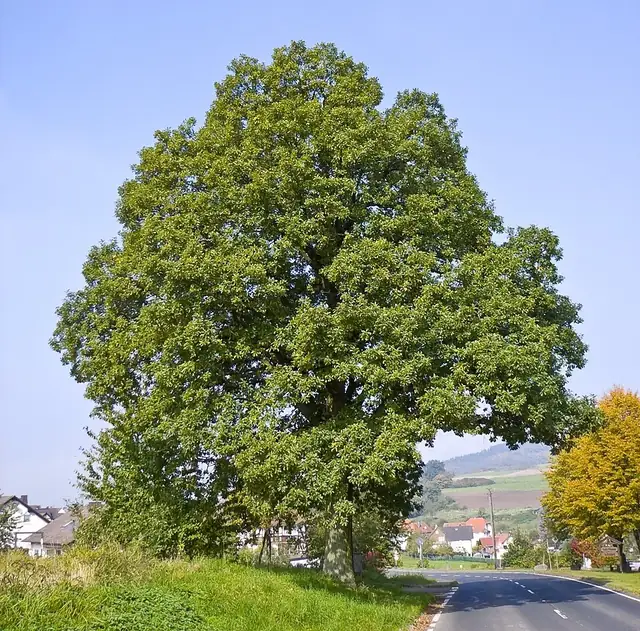
Quercus robur

Pedunculate oak

Diarrhoea, mouth and skin

Why this plant?

Under “ Mouth & throat ”: These uses reflect a history of bark preparations; they do not prove action on the infectious cause of diarrhea.

Traditional use

Bark only; distinguish route and amount. Seek advice for persistent diarrhoea, blood or fever.

View the profile
Not specified in the sources consulted.
Use profile

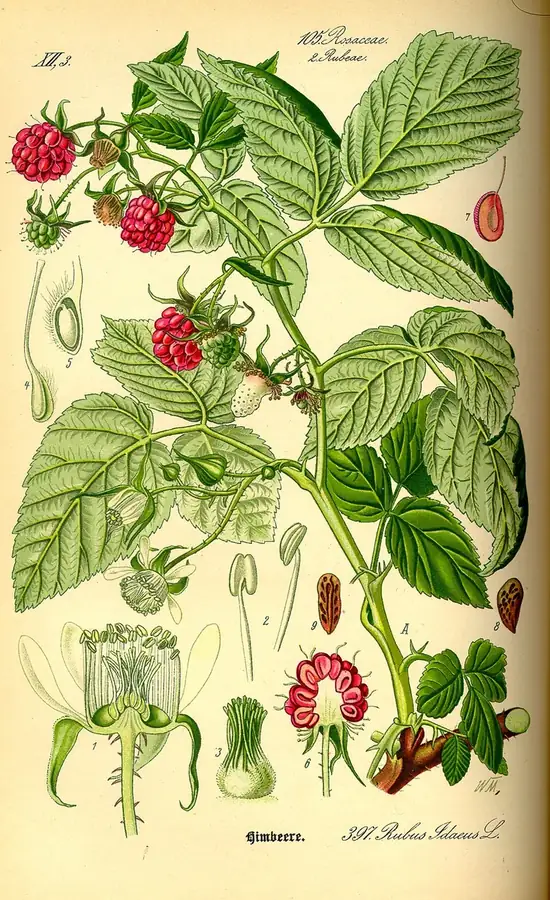
Rubus idaeus

Raspberry

Menstruation

Why this plant?

Under “ Mouth & throat ”: Leaf infusion: traditional use for mild diarrhoea orally, or minor mouth/throat inflammation as a gargle that is spat out. Clinical evidence is insufficient.

Traditional use

Diarrhea lasting beyond three days or another complaint beyond one week: seek medical advice.

View the profile
Not specified in the sources consulted.
Use profile

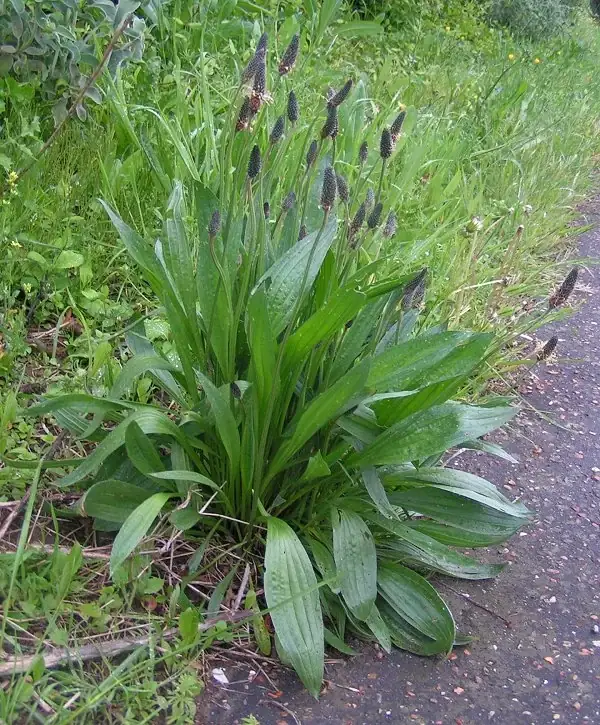
Plantago lanceolata

Ribwort plantain

Throat and dry cough

Why this plant?

Under “ Mouth & throat ”: Traditional relief of irritation of the mouth or throat and the associated cough.

Traditional use

Fever, breathlessness, purulent sputum or symptoms beyond a week: seek medical advice.

View the profile
Family not detailed in the references for this profile.
Use profile

Quercus petraea (Matt.) Liebl.

Sessile oak

Mild diarrhea

Why this plant?

Under “ Mouth & throat ”: Traditional local use of bark preparations for minor mouth or skin inflammation. Oral use is not interchangeable.

Traditional use

Diarrhoea with blood or fever: seek medical advice without delay.

View the profile
Myrtaceae
Use profile

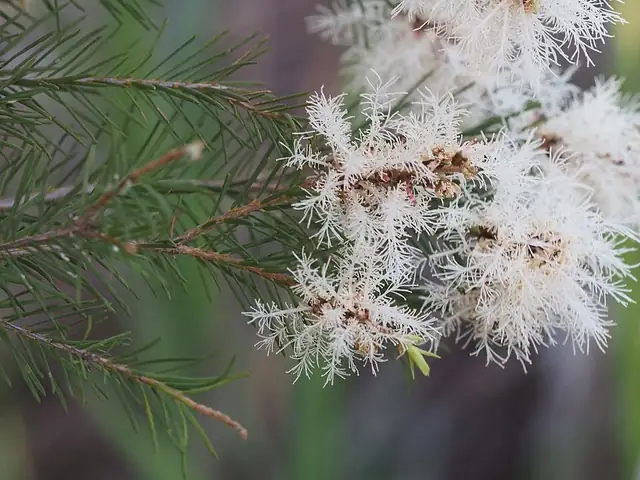
Melaleuca alternifolia (Maiden & Betche) Cheel

Tea tree

Minor skin lesions

Why this plant?

Under “ Mouth & throat ”: Traditional use for certain symptoms of athlete's foot and minor oral inflammation; not a guarantee of a cure. Applies to oil of the specified composition in a defined local formulation, not every oil from this species.

Traditional use

Essential oil is toxic if swallowed. In the event of accidental ingestion, contact a poison control center.

View the profile
Not specified in the sources consulted.
Use profile

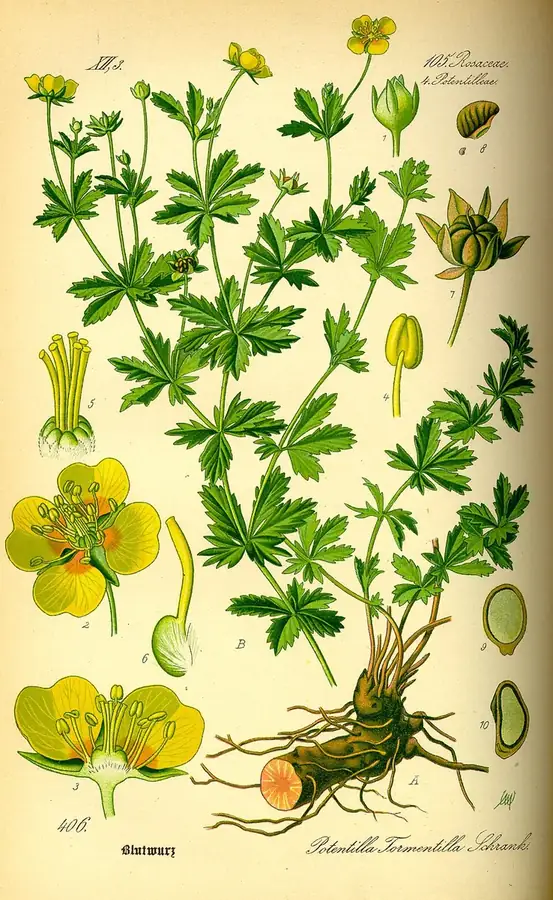
Potentilla erecta

Tormentil

Mild diarrhea

Why this plant?

Under “ Mouth & throat ”: Minor inflammation of the oral mucosa: traditional use.

Traditional use

Blood in the stool, recurrence or worsening symptoms: seek medical advice.

View the profile
Hamamelidaceae
Use profile

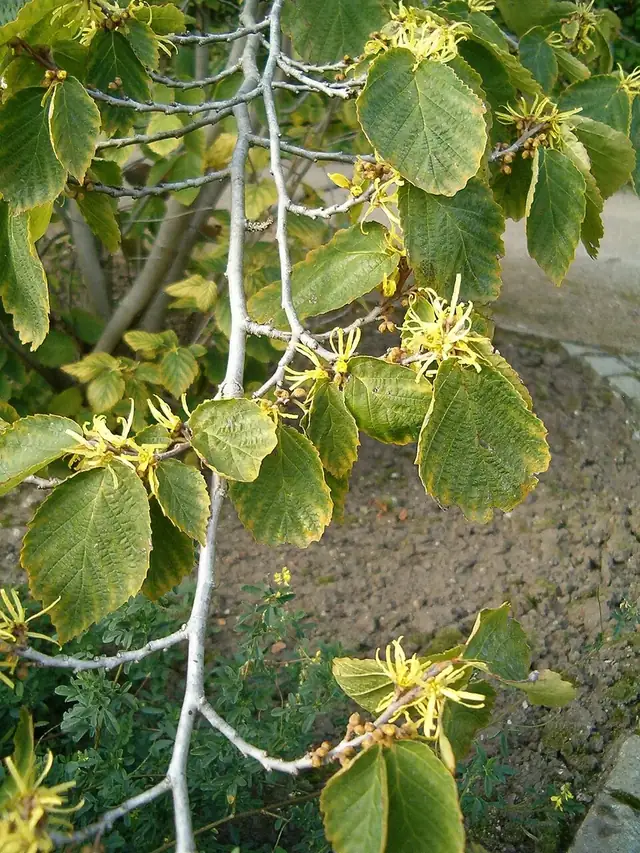
Hamamelis virginiana L.

Witch hazel

Minor skin irritations

Why this plant?

Under “ Mouth & throat ”: Certain leaf or bark preparations have traditional local use.

Traditional use

Rectal bleeding, an infected wound or a persistent symptom: seek medical advice.

View the profile
WhatsApp Appointments