SOLÉAHERBAL · THE LIVING HOUSE

SEARCH BY NEED

Plants related to your search.

Results present documented uses and their limitations. They do not provide a diagnosis.

3,100 plants in the herbarium My favourites

Documentary entries are excluded from searches by need.Understanding the profiles

Your herbarium, at your pace
41 results
Apiaceae
Use profile

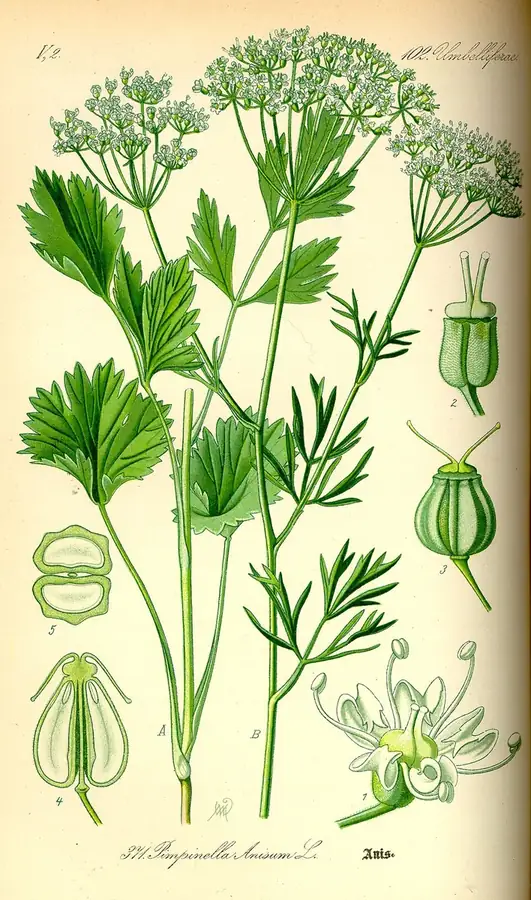
Pimpinella anisum L.

Anise

Digestion

Why this plant?

Under “ Respiratory comfort ”: Traditional use to facilitate expectoration.

Traditional use

No more than two weeks without advice; seek medical advice for fever or breathing difficulty.

View the profile
Not specified in the sources consulted.
Use profile

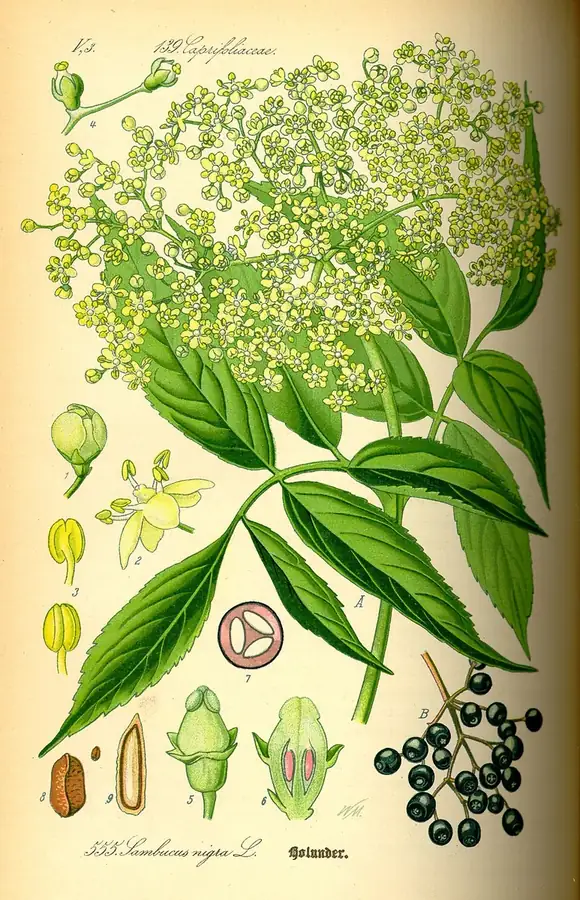
Sambucus nigra

Black elder

Onset of a cold

Why this plant?

Under “ Respiratory comfort ”: Traditional use for the first symptoms of a cold; clinical evidence is insufficient.

Traditional use

Seek medical advice in cases of fever, shortness of breath or worsening symptoms.

View the profile
Family not detailed in the references for this profile.
Use profile

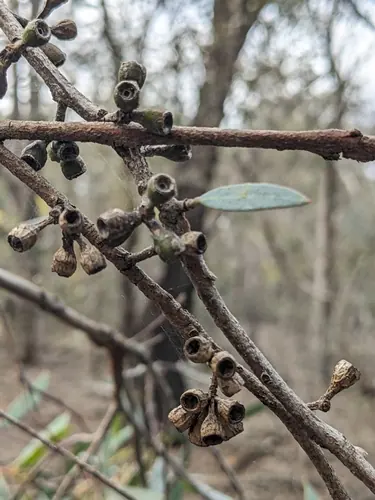
Eucalyptus polybractea R.T.Baker

Blue-leaved mallee

Cough associated with a cold and localized muscle pain

Why this plant?

Under “ Respiratory comfort ”: Use of the monographed group; the source does not demonstrate a benefit specific to each species.

Traditional use

Do not swallow the essential oil or apply it to a young child's face.

View the profile
Family not detailed in the references for this profile.
Use profile

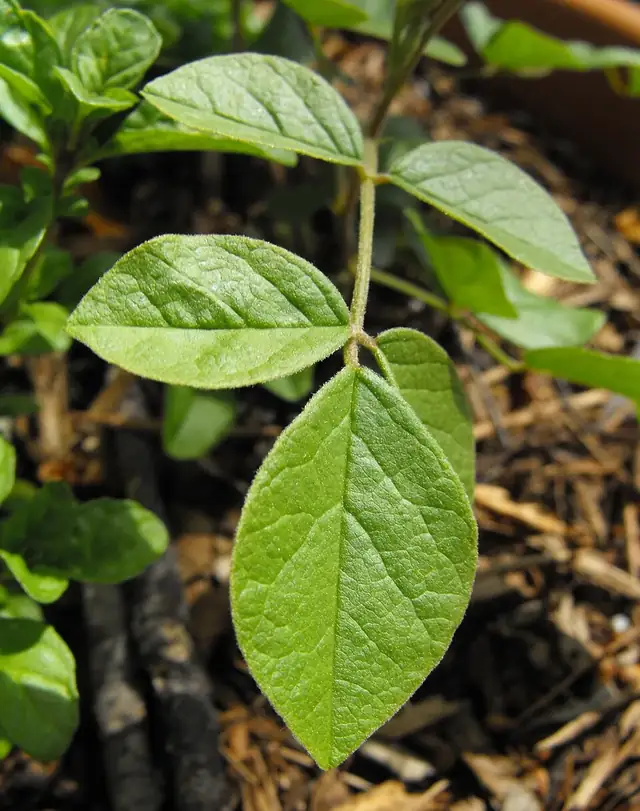
Glycyrrhiza uralensis Fisch.

Chinese licorice

Dyspepsia and cough associated with the common cold

Why this plant?

Under “ Respiratory comfort ”: Traditional use of specified oral root preparations in the shared monograph for dyspepsia/digestive burning and expectoration during a cold. This does not establish species-specific clinical efficacy.

Traditional use

Licorice may raise blood pressure and lower potassium.

View the profile
Araliaceae
Use profile

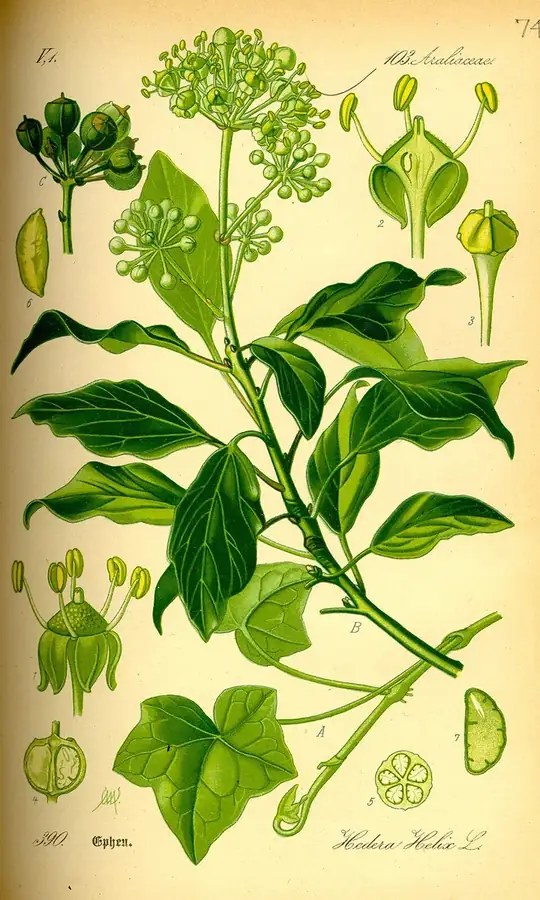
Hedera helix L.

Common ivy

Productive cough

Why this plant?

Under “ Respiratory comfort ”: Well-established use of certain extracts to facilitate expectoration.

Well-established medicinal use (EMA)

The raw plant is toxic: no self-treatment with leaves or berries. Use only an authorized preparation.

View the profile
Family not detailed in the references for this profile.
Use profile

Tilia × europaea L.

Common lime

Mild stress and cold symptoms

Why this plant?

Under “ Respiratory comfort ”: Use of the monographed group; the source does not demonstrate a benefit specific to each species.

Traditional use

Different lime species and sapwood are not interchangeable.

View the profile
Malvaceae
Use profile

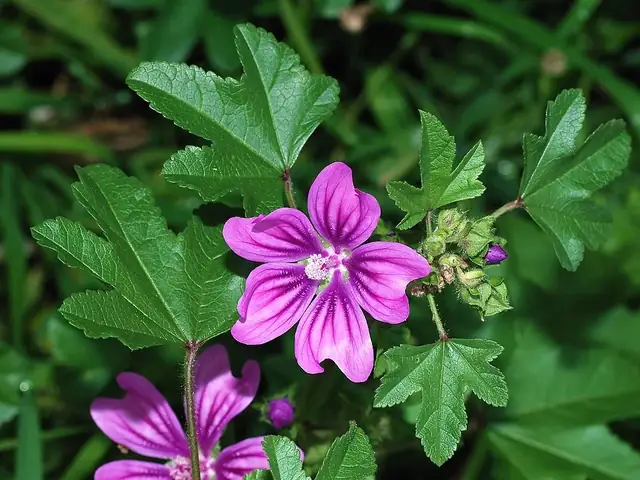
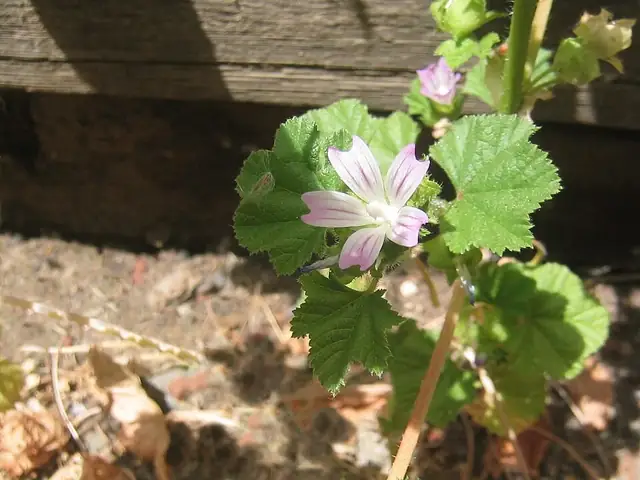
Malva sylvestris L.

Common mallow

Irritated throat

Why this plant?

Under “ Respiratory comfort ”: Traditional use for irritation of the mouth or throat with a dry cough.

Traditional use

Seek medical advice if irritation lasts beyond one week, digestive discomfort beyond two weeks, or symptoms worsen.

View the profile
Not specified in the sources consulted.
Use profile

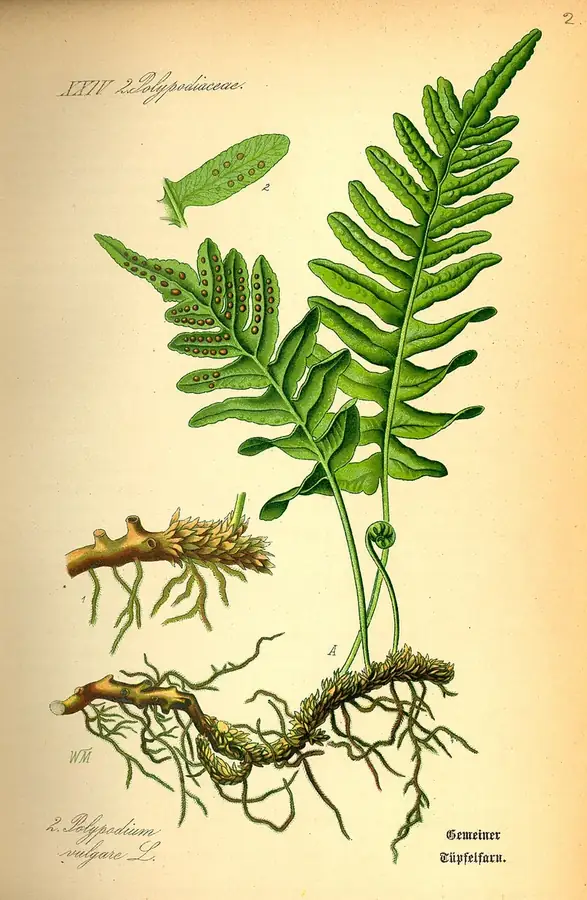
Polypodium vulgare

Common polypody

Cough associated with a cold

Why this plant?

Under “ Respiratory comfort ”: Expectorant with traditional use.

Traditional use

Fever, breathlessness or purulent sputum: seek medical advice.

View the profile
Lamiaceae
Use profile

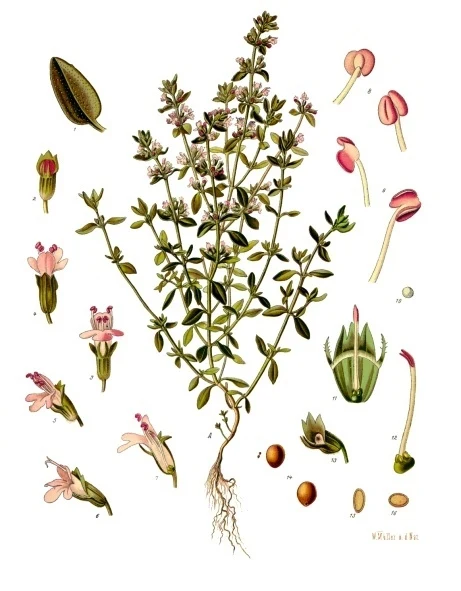
Thymus vulgaris L.

Common thyme

Productive cough associated with a cold

Why this plant?

Under “ Respiratory comfort ”: Traditional oral use of the leaves and flowers, as tea or specified preparations, for productive cough associated with a cold. Results from thyme–ivy combinations do not establish the efficacy of thyme alone or its tea.

Traditional use

Shortness of breath, fever, purulent sputum, worsening symptoms or symptoms lasting more than a week: seek medical advice.

View the profile
Not specified in the sources consulted.
Use profile

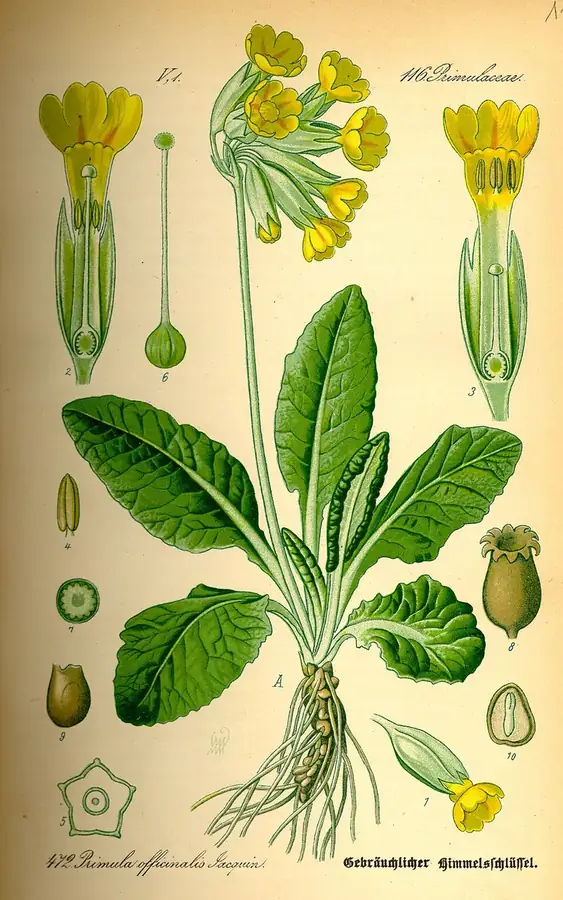
Primula veris

Cowslip

Traditional expectoration

Why this plant?

Under “ Respiratory comfort ”: The root has a history of use for cough associated with a cold; this does not justify a promise to cure an infection.

Traditional use

Flowers and roots are not interchangeable. Primula allergy; seek medical advice for gastritis or ulcers.

View the profile
Family not detailed in the references for this profile.
Use profile

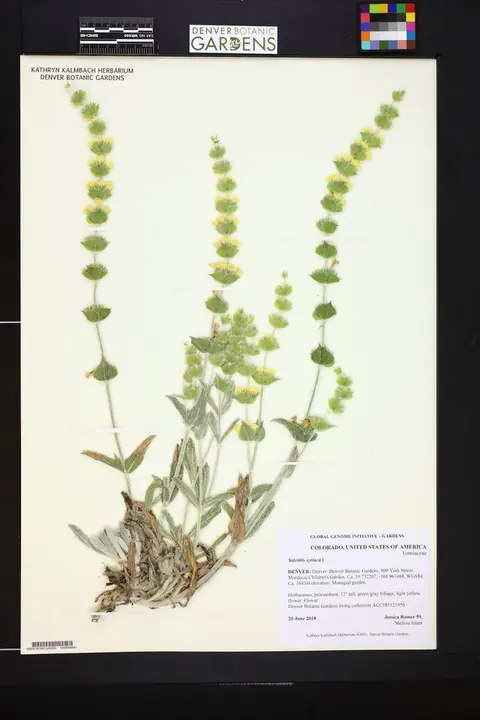
Sideritis syriaca L.

Cretan mountain tea

Cough associated with a cold or mild digestive discomfort

Why this plant?

Under “ Respiratory comfort ”: Aerial-part tea: traditional uses for cold-associated cough and mild digestive discomfort; no species-specific clinical proof.

Traditional use

“Mountain tea” refers to several species: read the Latin name.

View the profile
Cistaceae
Use profile

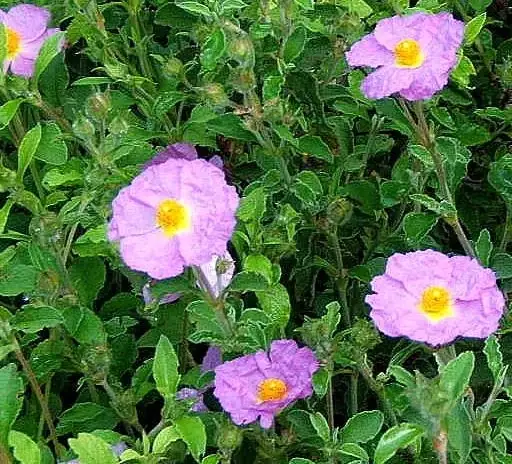
Cistus creticus L.

Cretan rockrose

Cough associated with a cold

Why this plant?

Under “ Respiratory comfort ”: Aerial-part decoction: traditional use for cold-associated cough. Clinical antiviral efficacy is not established for this preparation.

Traditional use

Fever, shortness of breath or purulent sputum: seek medical advice.

View the profile
Family not detailed in the references for this profile.
Use profile

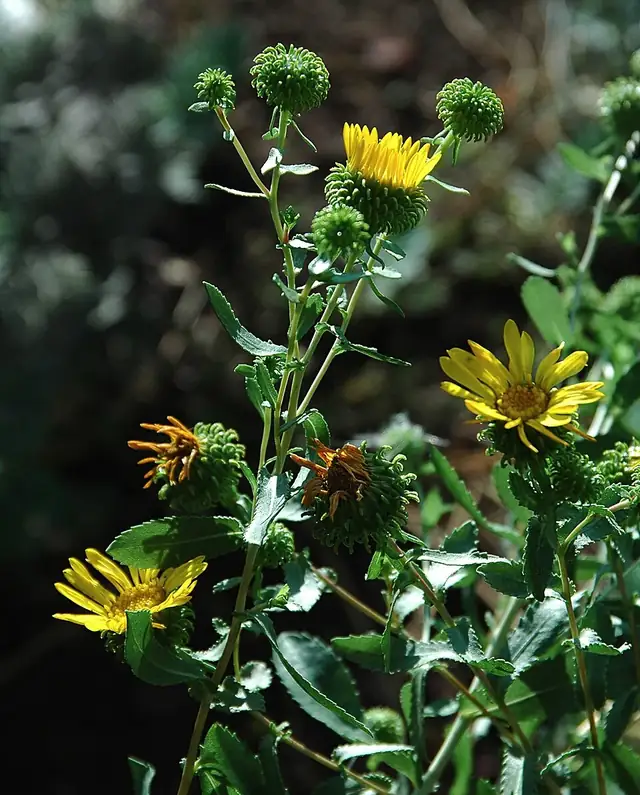
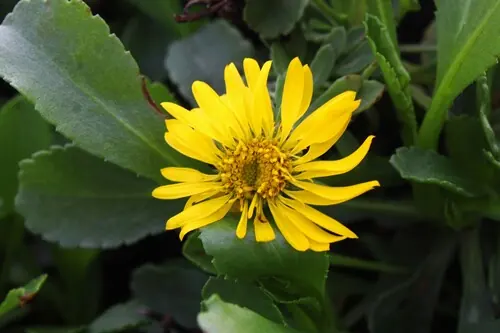
Grindelia squarrosa (Pursh) Dunal

Curlycup gumweed

Cough associated with the common cold

Why this plant?

Under “ Respiratory comfort ”: Traditional oral use of the herb, as tea or specified extracts, for cold-associated cough. The shared monograph does not demonstrate clinical efficacy separately for each species.

Traditional use

Persistent cough, fever or shortness of breath: seek medical advice.

View the profile
Family not detailed in the references for this profile.
Use profile

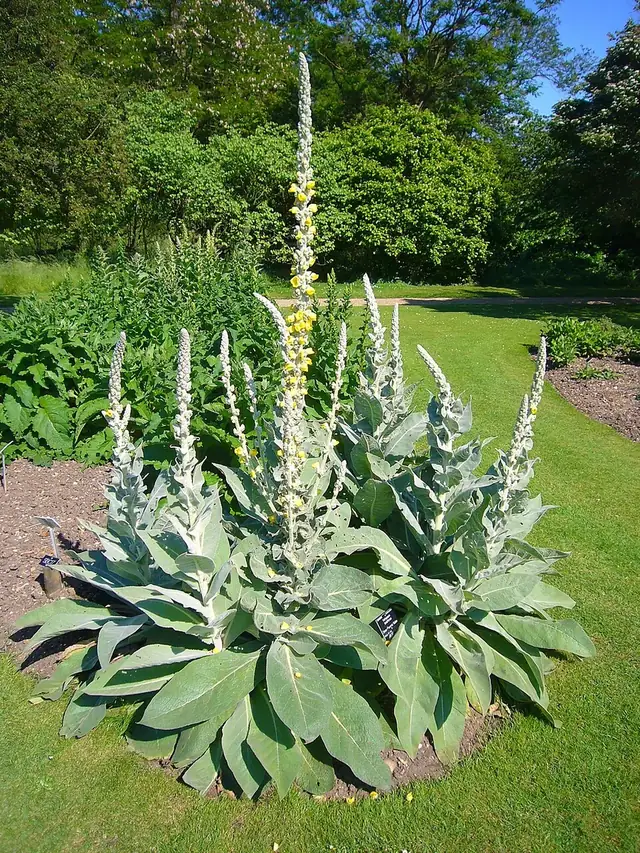
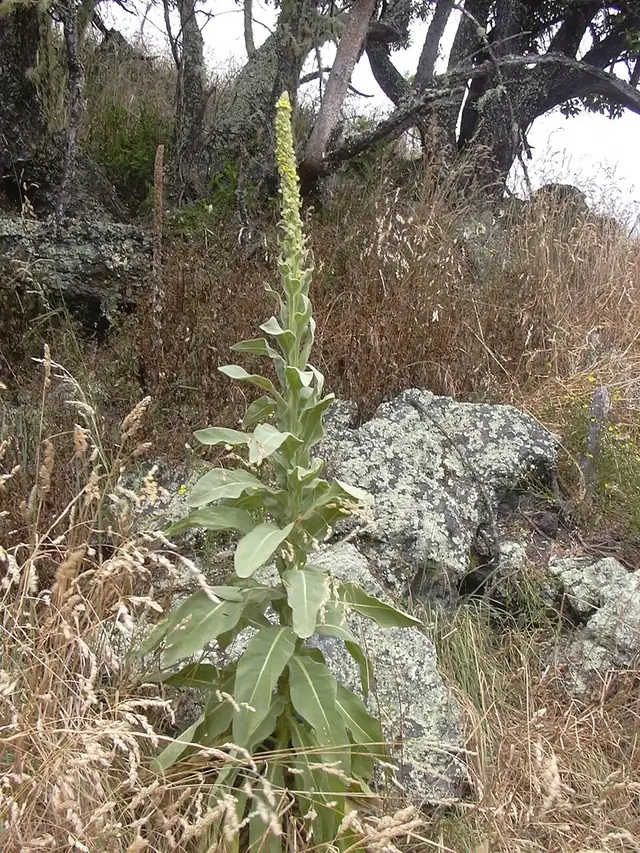
Verbascum densiflorum Bertol.

Dense-flowered mullein

Irritated throat with dry cough from a cold

Why this plant?

Under “ Respiratory comfort ”: Flowers as herbal tea: traditional relief of sore throat with dry cough and cold. The three monographed species are covered; efficacy specific to this species alone is not established.

Traditional use

Seek medical advice if the cough worsens, with fever or shortness of breath.

View the profile
Lamiaceae
Use profile

Origanum dictamnus L.

Dittany of Crete

Digestion and colds

Why this plant?

Under “ Respiratory comfort ”: Traditional use as a herbal tea for mild digestive discomfort and cough associated with a cold.

Traditional use

Seek medical advice if a cough lasts longer than one week or digestive discomfort longer than two weeks.

View the profile
Family not detailed in the references for this profile.
Use profile

Malva neglecta Wallr.

Dwarf mallow

Oral irritation or dry cough

Why this plant?

Under “ Respiratory comfort ”: Use of the monographed group; the source does not demonstrate a benefit specific to each species.

Traditional use

This profile concerns the leaf, not the flower of common mallow.

View the profile
Apiaceae
Use profile

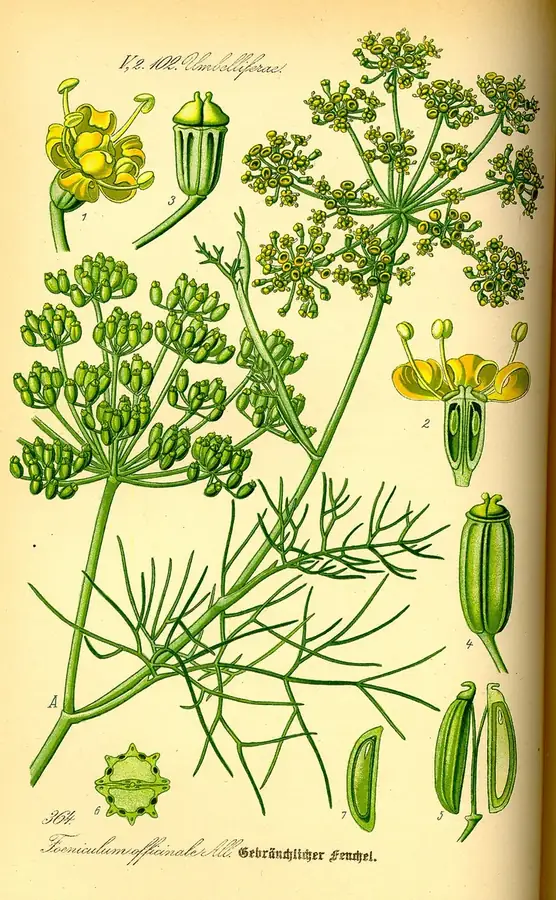
Foeniculum vulgare Mill.

Fennel

Digestion

Why this plant?

Under “ Respiratory comfort ”: Traditional expectorant use; does not replace examination if breathing becomes difficult.

Traditional use

Fruits and essential oil are not equivalent. Do not use the essential oil orally at home.

View the profile
Family not detailed in the references for this profile.
Use profile

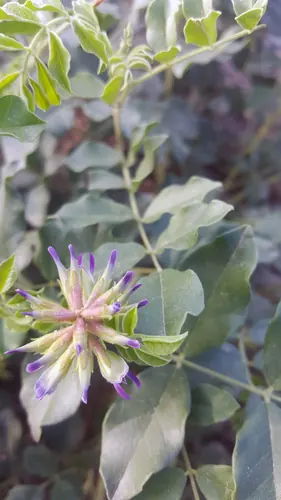
Glycyrrhiza inflata Batalin

Glycyrrhiza inflata

Dyspepsia and cough associated with the common cold

Why this plant?

Under “ Respiratory comfort ”: Traditional use of specified oral root preparations in the shared monograph for dyspepsia/digestive burning and expectoration during a cold. This does not establish species-specific clinical efficacy.

Traditional use

Licorice may raise blood pressure and lower potassium.

View the profile
Not specified in the sources consulted.
Use profile

Verbascum thapsus

Great mullein

Throat and dry cough

Why this plant?

Under “ Respiratory comfort ”: Flowers as herbal tea: traditional relief of sore throat with dry cough and cold. The three monographed species are covered; efficacy specific to this species alone is not established.

Traditional use

Shortness of breath, fever or purulent sputum: seek medical advice.

View the profile
Family not detailed in the references for this profile.
Use profile

Grindelia camporum Greene

Great Valley gumweed

Cough associated with the common cold

Why this plant?

Under “ Respiratory comfort ”: Traditional oral use of the herb, as tea or specified extracts, for cold-associated cough. The shared monograph does not demonstrate clinical efficacy separately for each species.

Traditional use

Persistent cough, fever or shortness of breath: seek medical advice.

View the profile
Not specified in the sources consulted.
Use profile

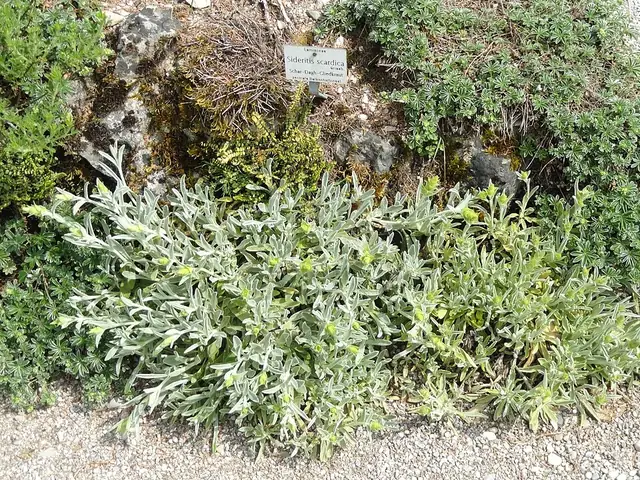
Sideritis scardica

Greek mountain tea

Cough associated with a cold

Why this plant?

Under “ Respiratory comfort ”: Traditional use of aerial parts as tea for cold-associated cough; clinical efficacy is not established.

Traditional use

Cough lasting more than one week or digestive problems for more than two weeks: seek medical advice.

View the profile
Asteraceae
Use profile

Grindelia robusta Nutt.

Grindelia robusta

Cough associated with a cold

Why this plant?

Under “ Respiratory comfort ”: Traditional oral use of the herb, as tea or specified extracts, for cold-associated cough. The shared monograph does not demonstrate clinical efficacy separately for each species.

Traditional use

Breathing difficulty, high fever or purulent sputum: seek medical advice promptly.

View the profile
Family not detailed in the references for this profile.
Use profile

Eucalyptus smithii R.T.Baker

Gully gum

Cough associated with a cold and localized muscle pain

Why this plant?

Under “ Respiratory comfort ”: Use of the monographed group; the source does not demonstrate a benefit specific to each species.

Traditional use

Do not swallow the essential oil or apply it to a young child's face.

View the profile
Family not detailed in the references for this profile.
Use profile

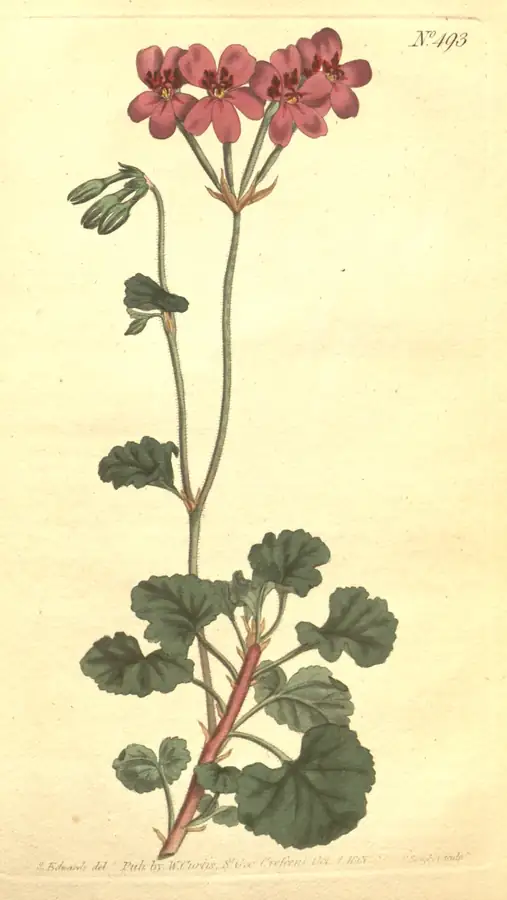
Pelargonium reniforme Curtis

Kidney-leaved pelargonium

Cold symptoms

Why this plant?

Under “ Respiratory comfort ”: Specified root extracts: traditional symptomatic use for the common cold. One extract’s results do not validate every preparation or species separately.

Traditional use

Jaundice or dark urine: stop and seek medical advice promptly.

View the profile
WhatsApp Appointments